


Cardiovascular Conditions
- Home
- Cardiovascular Conditions
Cardiovascular conditions affect both the heart and blood vessels. It can range from lifestyle or age-influenced conditions such as high blood pressure and high cholesterol to more serious complications such as heart attacks, stroke, and other vascular diseases. Some cardiovascular diseases may develop gradually and not present any symptoms at all, while some may develop sudden and serious warning signs. Getting familiar with common symptoms, warning signs, risk factors, and when to seek cardiovascular care can help you take the right next step.
Common Symptoms and Warning Signs
The signs of a cardiovascular problem can differ depending on the condition. Some people may have no noticeable symptoms, especially in the early stages, and some may experience symptoms that become more apparent with physical activity or develop suddenly during a critical event.
Here are some common symptoms and signs of cardiovascular problems:
- Chest pain or discomfort, including pressure, squeezing, fullness, or pain in the chest (pananakit o paninikip ng dibdib)
- Shortness of breath, especially during activity or when accompanied by chest discomfort (kakapusan sa paghinga)
- Palpitations, or a feeling that the heart is racing, fluttering, or beating irregularly (mabilis, malakas, o irregular na pagtibok ng puso)
- Dizziness or lightheadedness (pagkahilo)
- Unusual or persistent fatigue (kakaiba o patuloy na pagkapagod)
- Swelling in the legs, ankles, or feet (pamamaga ng binti, bukong-bukong, o paa)
- Sudden weakness or numbness, particularly on one side of the body (biglaang panghihina o pamamanhid)
Heart disease symptoms can be subtle sometimes. Chest discomfort may not feel extremely painful or severe, and symptoms such as shortness of breath, nausea, unusual tiredness, or pain affecting the back, neck, jaw, or arms can also occur during a heart attack.
Meanwhile, symptoms such as sudden weakness or numbness on one side of the body, difficulty speaking, confusion, vision problems, severe dizziness, or loss of balance may indicate a stroke and may require immediate medical attention.

When Symptoms May Be an Emergency
Do not wait for a routine consultation if you or someone with you develop sudden chest pain or pressure, severe difficulty breathing, fainting, or possible stroke symptoms. Heart attack and stroke can be medical emergencies, and prompt assessment is important.
If you are experiencing potentially serious symptoms, seek emergency medical care immediately.
Common Cardiovascular Conditions
Cardiovascular disease is a broad term that covers disorders related to the heart and blood vessels. The conditions below can affect different parts of the cardiovascular system and may require different approaches to diagnosis, treatment, and long-term management.
Hypertension
Hypertension, more commonly known as high blood pressure, occurs when blood pressure remains elevated over time. It may not cause noticeable symptoms, which is why regular blood pressure checks are important. Untreated hypertension can increase the risk of heart disease, stroke, and other cardiovascular complications.
Related: 5 Reasons You Shouldn’t Ignore High Blood Pressure Symptoms
Heart Attack
A heart attack occurs when blood flow to part of the heart muscle is suddenly reduced or blocked. Warning signs can include chest discomfort, shortness of breath, sweating, nausea, lightheadedness, or discomfort in the arms, back, neck, jaw, or stomach.
A suspected heart attack requires emergency medical assessment rather than waiting for a routine appointment.
Related: Heart Attack Symptoms, Causes, Treatment, and Prevention Guide
Coronary Artery Disease
Coronary artery disease affects the blood vessels that supply the heart muscle. Narrowing or blockage of these arteries can reduce blood flow to the heart and may cause chest discomfort or contribute to a heart attack.
Arrhythmia
An arrhythmia is an abnormal heart rhythm. It may cause a sensation of fluttering or racing in the chest, but some arrhythmias cause few or no noticeable symptoms. Dizziness, fainting, shortness of breath, or chest discomfort may also occur.
High Cholesterol
High cholesterol involves elevated levels of certain lipids in the blood. It often does not cause symptoms but can contribute to the development of fatty deposits in blood vessels and increase cardiovascular risk over time.
Peripheral Artery Disease
Peripheral artery disease (PAD) occurs when narrowed or blocked arteries reduce blood flow to the limbs, most commonly the legs. Symptoms may include leg pain during walking, numbness, weakness, or coldness in the affected limb.
Stroke
A stroke occurs when blood flow to part of the brain is interrupted or when a blood vessel in the brain bleeds. Sudden weakness or numbness, difficulty speaking, vision changes, dizziness, or loss of balance can be warning signs. Stroke symptoms should be treated as an emergency.
Related: All About Stroke: BEFAST Signs, Emergency Treatment, and Prevention Guide
Cardiovascular Risk Factors
Several factors can increase the risk of developing cardiovascular disease. Some can be changed through lifestyle and medical care, while others, such as age and family history, cannot.
- Here are some important cardiovascular risk factors:
- High blood pressure
- High cholesterol
- Diabetes or elevated blood glucose
- Smoking and tobacco exposure
- Overweight or obesity
- Physical inactivity
- An unhealthy diet
- Harmful alcohol use
- Family history of cardiovascular disease
- Increasing age
- Certain underlying health conditions
These factors can interact with one another. For example, high blood pressure, high blood glucose, abnormal blood lipids, and obesity can increase the risk of heart attack, stroke, and other cardiovascular complications.
Having a risk factor does not necessarily mean that you have cardiovascular disease. However, identifying and managing risk factors can help reduce cardiovascular risk and may allow problems to be detected earlier.
Diagnosis & Evaluation
If you have symptoms, risk factors, or a condition that may affect the cardiovascular system, a healthcare professional can determine which evaluations are appropriate.
- Assessment may include:
- Medical consultation and physical examination
- Blood tests, including tests that assess cholesterol, blood glucose, and other relevant markers
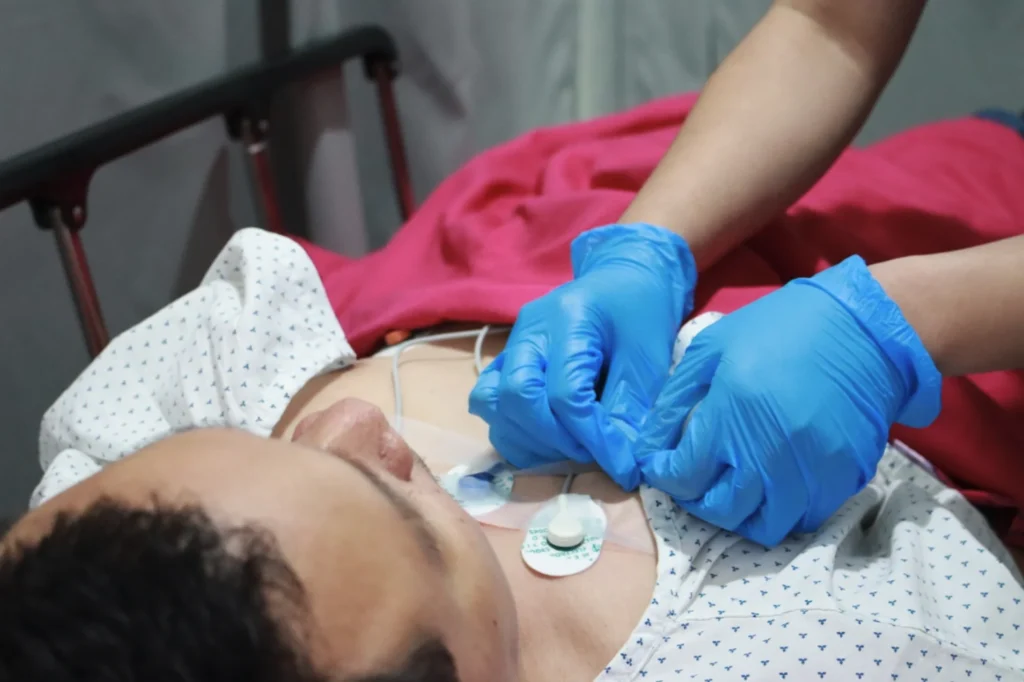
- Electrocardiogram (ECG/EKG) to assess the heart's electrical activity
- Echocardiography (2D Echo) to evaluate the heart's structure and function
- Imaging and vascular studies, depending on the symptoms and suspected condition
- Other diagnostic tests, such as Holter monitoring or treadmill stress testing, when clinically appropriate
The tests needed depend on your symptoms, medical history, risk factors, and the condition being considered. A healthcare professional can determine which evaluations are appropriate rather than relying on a single test.
For detailed information about individual tests, see our Heart Station page.

When Should You See a Doctor?
Consider a routine cardiovascular consultation if you have persistent or recurring symptoms, known risk factors, abnormal blood pressure or cholesterol results, or a family history that may increase your risk. You may also benefit from medical evaluation if you notice changes in your exercise tolerance, recurring palpitations, unexplained fatigue, or swelling that does not resolve.
A cardiologist can evaluate conditions affecting the heart and cardiovascular system and determine whether further testing or treatment is needed.
For non-emergency concerns, you can consult one of our cardiologists and view their schedule to find an appropriate consultation.
If symptoms are sudden, severe, or suggest a heart attack or stroke, do not wait for a cardiology appointment. Seek emergency care immediately.
Cardiovascular Services Available at Unihealth Southwoods
Depending on your symptoms and healthcare needs, several services at Unihealth Southwoods Hospital may be involved in cardiovascular care.
Heart Station
The Heart Station provides cardiovascular diagnostic services, including ECG/EKG, 24-hour Holter monitoring, 2D echocardiography, 2D echo with Doppler, ambulatory blood pressure monitoring (ABPM), duplex scans, and treadmill stress testing.
Cardiac Catheterization and Vascular Center (Cath Lab)
Our Cardiac Catheterization and Vascular Center or Cath Lab provides specialized cardiac and vascular procedures, including pacemaker insertion, coronary angiography and coronary angioplasty.
Cardiology Consultation
A cardiologist will provide consultation and evaluation for conditions that may be affecting your heart and cardiovascular system.
Laboratory
Our Laboratory supports cardiovascular evaluation through blood tests and other laboratory investigations ordered by your healthcare provider.
Radiology
The Radiology department provides imaging services such as CT Scan and MRI that may form part of the evaluation of cardiovascular or related health concerns, depending on the patient’s condition.
Emergency Services
Our Emergency Services team provides immediate assessment for urgent symptoms, including symptoms that may indicate a heart attack or stroke.
Related Health Articles
Learn more about cardiovascular health, warning signs, and related conditions through our educational resources:


These articles provide additional health information, while diagnosis and treatment decisions should be discussed with a qualified healthcare professional.
Take the Next Step
Whether you are concerned about new symptoms, managing a known condition, or looking for preventive evaluation, getting the right care starts with an appropriate medical assessment.