


Eye Conditions
- Home
- Eye and Vision Conditions
Eye health is essential for everyday activities, from reading and working to recognizing faces and navigating your surroundings. However, common eye conditions can affect vision and may develop without obvious symptoms.
Understanding eye diseases, recognizing warning signs, and getting regular eye examinations can help protect your eyesight.
Common Eye Diseases and Causes
Common eye diseases and vision problems include cataracts, glaucoma, and astigmatism. Eye diseases may come from age, genetics, lifestyle, infections, trauma, poor nutrition and habits, or other underlying health concerns including diabetes. These conditions affect vision in different ways, making early detection and appropriate treatment important.
Katarata (Cataracts)
Cataracts develop when the eye’s natural lens becomes cloudy, causing blurry or hazy vision. Other symptoms include increased sensitivity to light, faded colors, and difficulty seeing at night.
What Causes Cataracts?
Aging is the most common cause of cataracts. Other risk factors include diabetes, eye injuries, prolonged exposure to ultraviolet light, and certain medications. Treatment depends on how much vision is affected, and cataract surgery may be recommended when daily activities become difficult.
Glaucoma and Glaucoma Causes
Another common eye disease in the Philippines is Glaucoma. Glaucoma is a group of eye diseases that damage the optic nerve. Increased pressure inside the eye is a major risk factor, although glaucoma can also occur with normal eye pressure. Age, family history, and certain medical conditions may increase the risk.
Glaucoma Symptoms
Glaucoma may develop without noticeable symptoms during its early stages. As it progresses, it can cause gradual loss of peripheral vision. Some types may cause sudden severe eye pain, redness, blurred vision, nausea, or halos around lights. Sudden symptoms require emergency assessment because some forms of glaucoma can threaten vision quickly.
Astigmatism and Other Refractive Errors
Refractive errors occur when the eye cannot focus light properly on the retina. These include nearsightedness, farsightedness, presbyopia, and astigmatism. Astigmatism results from an irregularly shaped cornea or lens, which can cause blurry or distorted vision. Depending on the condition, corrective glasses, contact lenses, or refractive surgery may help improve vision.
Signs of Astigmatism
Astigmatism occurs when the cornea or lens has an irregular shape, causing light to focus unevenly on the retina. Common signs include blurry or distorted vision, difficulty seeing clearly at different distances, and eye strain.
Astigmatism Symptoms
Other astigmatism symptoms may include headaches, squinting, and discomfort after prolonged reading or screen use. An eye examination can determine whether astigmatism is present and whether corrective lenses or other treatment may help.
What Is Ophthalmology?
Ophthalmology is the medical specialty concerned with eye health, vision, and the diagnosis and treatment of eye diseases. It includes routine examinations, medical management, and surgical treatment when necessary.
What Is an Ophthalmologist?
An ophthalmologist is a medical doctor trained to examine the eyes, diagnose eye conditions, prescribe treatment, and perform eye surgery when indicated. Consulting with an ophthalmologist can help address vision changes and identify eye diseases early.
Eye Care
Regular eye care helps maintain vision and identify potential problems. An eye check up is particularly important if you have changing vision, a family history of eye disease, diabetes, or other risk factors.
How to Take Care of Your Eyes
Protect your eyes by scheduling regular examinations, wearing suitable sunglasses, taking breaks during extended screen use, and eating a balanced diet. Avoid rubbing your eyes and use prescribed eye medication only as directed.
Prescription Glasses
Prescription glasses correct refractive errors such as nearsightedness, farsightedness, and astigmatism. An eye examination helps determine the appropriate prescription for clearer, more comfortable vision.
Eye Surgery
Other eye surgery procedures may treat conditions such as cataracts and certain forms of glaucoma. The recommended procedure depends on the diagnosis, severity, and individual needs.

How to Improve Eyesight
If you are wondering how to get better eyesight, start with an eye examination to identify the cause of your vision concerns. Corrective lenses, appropriate treatment, and healthy daily habits can help maintain vision. However, exercises and supplements cannot reverse every eye condition or eliminate the need for medical care.
Eye Vitamins, Supplements, Diet, and Exercise
Eye vitamins and supplements may help address specific nutritional deficiencies, but they are not a universal treatment for vision problems. Include nutrient-rich foods such as leafy green vegetables, fish, fruits, and other balanced dietary choices. Regular physical activity also supports overall health, including conditions that may affect the eyes. Consult a healthcare professional before taking supplements for eye condition.
When Should You See a Doctor?
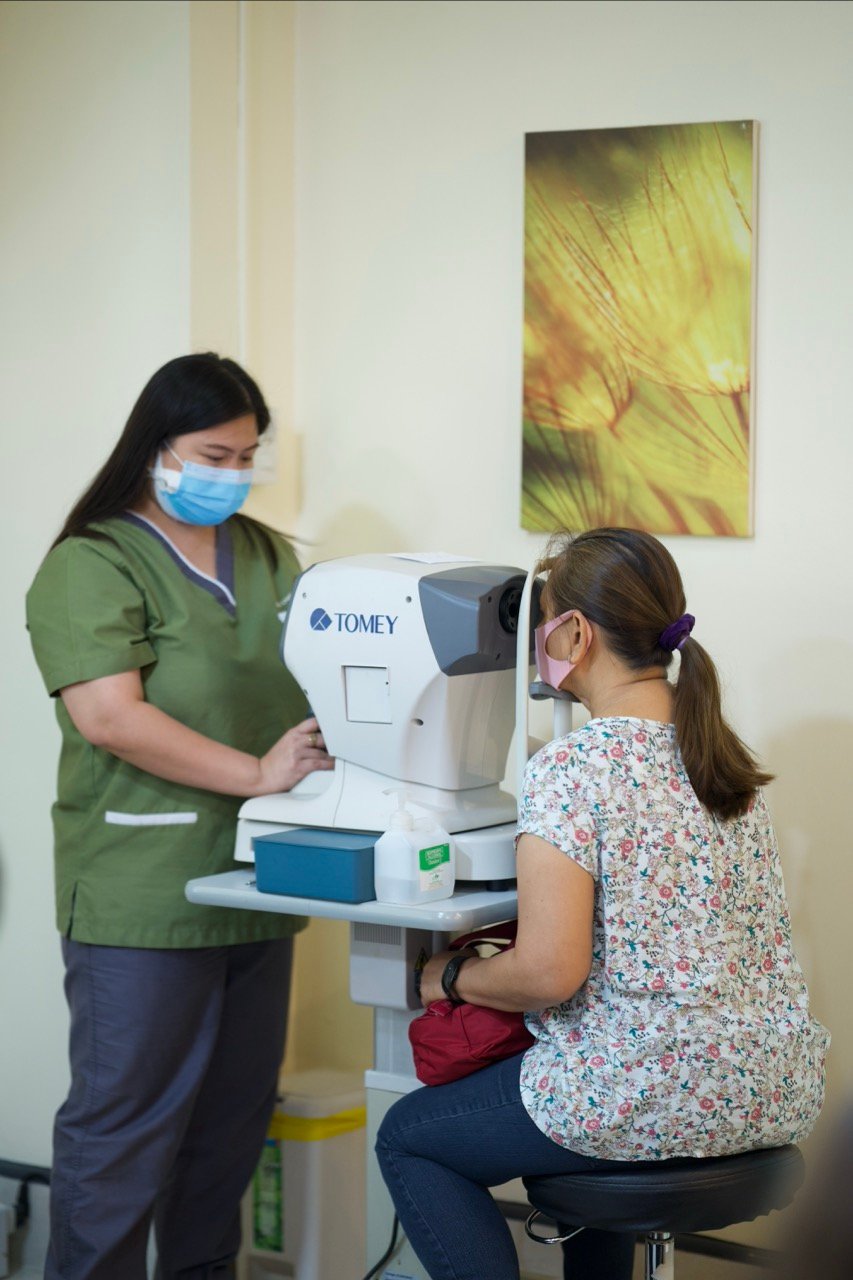
Schedule eye examination at Unihealth Southwoods if you experience persistent blurry vision, recurring headaches associated with vision problems, eye redness, or difficulty seeing at night. Seek emergency medical attention for sudden vision loss, severe eye pain, a serious eye injury, or sudden flashes and floaters accompanied by a shadow in your vision.
Medical Services Available at UniHealth Southwoods
Depending on your symptoms and healthcare needs, several services at Unihealth Southwoods Hospital may be involved in cardiovascular care.
Eye Center
Unihealth Southwoods Eye Center provides eye care services for patients who need vision assessments, eye examinations, and evaluation of eye conditions for patients across Biñan, Sta. Rosa Laguna, Dasmariñas Cavite and Parañaque. Helping them understand their symptoms and explore appropriate diagnostic and treatment options.
Laboratory Services
Laboratory Services provides diagnostic testing that may support the assessment and management of medical conditions associated with eye health, including diabetes-related complications when testing is indicated by a physician.
Diabetes-Related Eye Care
Patients with diabetes may need eye evaluations for complications such as diabetic retinopathy. Appropriate screening and coordinated medical care can help identify problems that may affect vision.
Ophthalmology Consultation
An ophthalmology consultation allows patients to discuss vision changes, receive an eye assessment, and explore appropriate diagnostic and treatment options with a specialist. Treatment and monitoring are guided by the patient’s condition and medical needs.
Related Health Articles
Managing healthcare costs and treatment options can be stressful. Explore these UniHealth Southwoods resources to learn more about PhilHealth benefits and HMO coverage:


Take the Next Step
Patients seeking an eye check up, vision assessment, or ophthalmology consultation in Biñan, Sta. Rosa Laguna, Dasmariñas Cavite and Parañaque can inquire about available services at UniHealth Southwoods Hospital and Medical Center.