


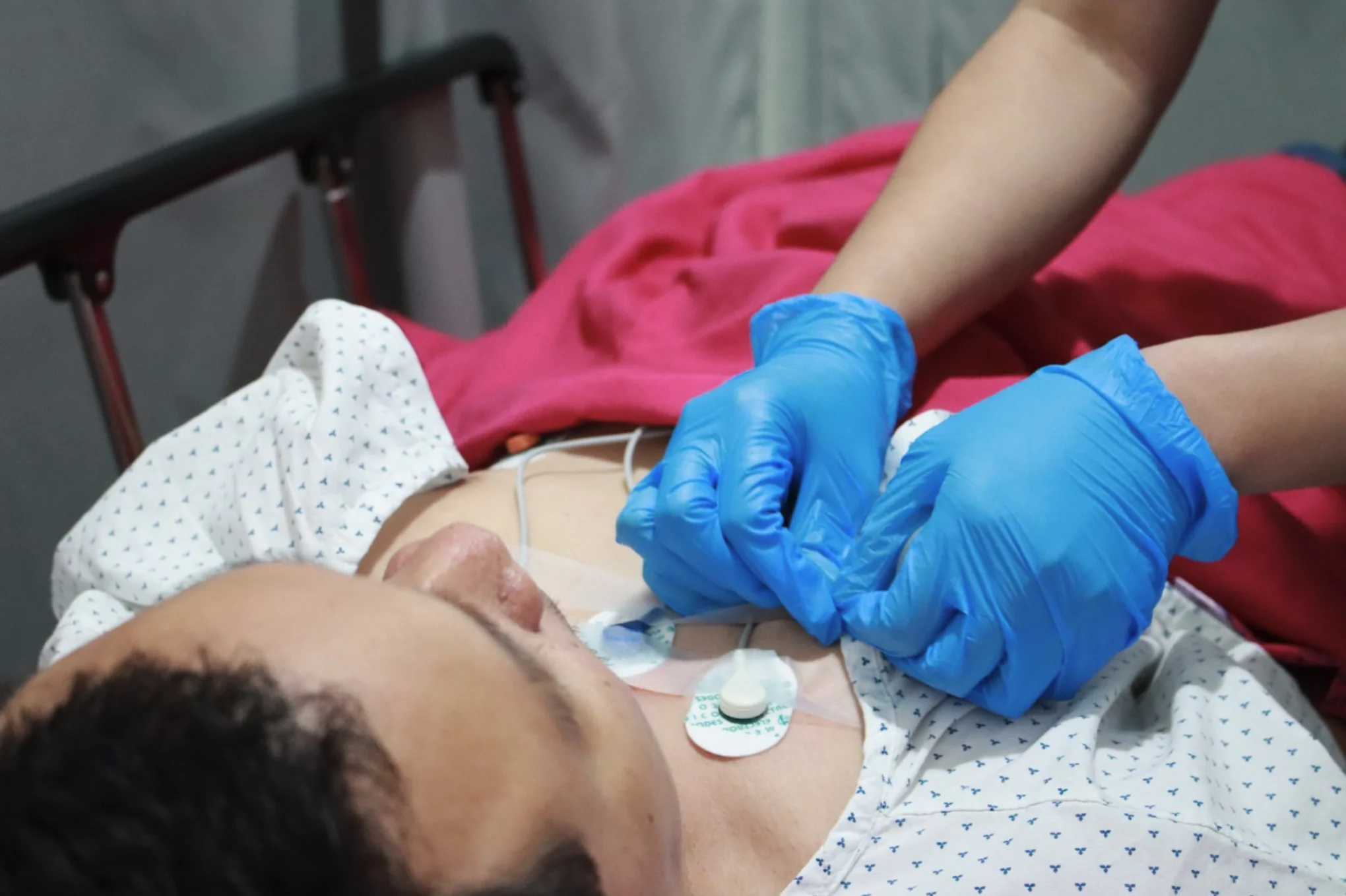
Heart problems do not always begin with obvious symptoms. High blood pressure, abnormal cholesterol, diabetes, and other cardiovascular risk factors may develop quietly for years before a person experiences chest pain, shortness of breath, or another warning sign that eventually leads to a heart check-up.
That makes World Heart Day, observed every September 29, a useful reminder to look at your cardiovascular health before a medical emergency forces the issue. The World Heart Federation’s 2026 campaign focuses specifically on heart disease that can go unnoticed, since many symptoms of heart disease do not appear until the condition has already progressed.
For Filipinos, the concern is particularly relevant. According to the Philippine Statistics Authority’s provisional data for 2025, ischemic heart diseases remained the country’s leading cause of death, accounting for 135,250 recorded deaths or 19.7% of the national total. Cerebrovascular diseases, which include conditions that can lead to stroke, ranked third. The figures remain provisional until the final 2025 report is released.
A heart check-up does not necessarily mean undergoing several cardiac tests. For many people, the right starting point is simpler: know your risk factors, have your blood pressure checked, discuss relevant laboratory results with a doctor, and determine whether a more detailed heart check-up is actually needed.
Start With Your Cardiovascular Risk, Even If You Feel Well
Cardiovascular disease includes conditions affecting the heart and blood vessels. Coronary heart disease, stroke, heart failure and several other conditions fall within this group.
Many cardiovascular problems develop gradually. The World Health Organization identifies high blood pressure, elevated blood glucose, abnormal blood lipids, overweight and obesity among the measurable factors associated with increased cardiovascular risk. Smoking, unhealthy diet, physical inactivity and harmful alcohol use also contribute to risk.
A preventive heart check-up becomes more relevant if you have one or more of the following:
- High blood pressure or repeatedly elevated blood pressure readings (altapresyon)
- Diabetes or elevated blood sugar
- High cholesterol or triglycerides
- Current or previous tobacco use (paninigarilyo o paggamit ng tabako)
- Overweight or obesity
- Low levels of regular physical activity
- A personal history of heart or vascular disease
- A strong family history of premature heart disease
- New exercise intolerance, palpitations, unusual fatigue or shortness of breath
Having one of these factors does not mean that you have heart disease. It means your cardiovascular risk deserves proper assessment rather than relying on symptoms alone.
Blood Pressure Deserves Particular Attention
Hypertension frequently causes no noticeable symptoms. WHO describes blood pressure of 140/90 mmHg or higher as hypertension when elevated readings are confirmed appropriately and emphasizes that measuring blood pressure is the only reliable way to know whether it is high.
A single high reading does not always establish a diagnosis. Blood pressure can change with stress, activity, caffeine, pain, and the clinical environment itself. When hypertension is suspected, a doctor may recommend repeated measurements, home monitoring, or ambulatory blood pressure monitoring before deciding on treatment.
This is one reason preventive heart care should focus on risk assessment first and testing second.
Not Everyone Needs an ECG, 2D Echo or Stress Test
It is easy to think that a thorough heart check-up means undergoing every available heart test, from an ECG test or 2D Echo test to a Treadmill Stress Test. Medical testing works better when each test answers a specific clinical question.
For example, screening an asymptomatic person at low cardiovascular risk with an ECG test does not automatically improve outcomes. The U.S. Preventive Services Task Force recommends against routine resting or exercise ECG screening in asymptomatic adults considered at low cardiovascular risk because the added information is unlikely to provide meaningful benefit and abnormal findings can lead to unnecessary follow-up procedures. Evidence is less certain for asymptomatic people at higher risk.
That does not make an ECG unimportant. It makes clinical context important.
A doctor may recommend cardiac testing as part of a heart check-up because of symptoms, examination findings, known medical conditions, family history, abnormal blood pressure, suspected rhythm problems, or another reason identified during consultation.
At Unihealth Southwoods Hospital’s Heart Station in Biñan, available diagnostic procedures include 12-lead ECG (a.k.a. EKG), 2D echocardiography (2D Echo), 2D Echo with Doppler, 24-hour Holter Monitoring, 24-hour Ambulatory Blood Pressure Monitoring (ABPM), Duplex Scanning and Treadmill Stress Testing.
What Different Heart Tests are Designed to Examine
An ECG test, sometimes called an EKG, records the heart’s electrical activity. It can provide information about heart rate and rhythm and may identify certain electrical abnormalities or evidence of cardiac injury.
A 2D echocardiography or 2D Echo test uses ultrasound to show the heart’s chambers, walls, valves, and movement. When ordered as a 2D Echo with Doppler, the test can also provide additional information about blood flow.
Holter monitoring records the heart’s electrical activity over an extended period, commonly 24 hours. This can help when an irregular rhythm or palpitation does not appear during a short ECG recording.
Ambulatory blood pressure monitoring records blood pressure repeatedly throughout the day and night. It can help confirm suspected hypertension and identify patterns such as white-coat or masked hypertension.
A Treadmill Stress Test assesses how the heart responds to physical exertion and may be requested for selected patients with symptoms or cardiovascular concerns.
The appropriate test for your heart check-up depends on what your physician is trying to find out. A normal result from one test also does not automatically rule out every type of cardiovascular disease.
Unihealth Southwoods has a specialty center, the USHMC Heart Station, where our patients can receive 12-Lead ECG or EKG, 2D Echo, 2D Echo with Doppler, Holter Monitoring, Ambulatory Blood Pressure Monitoring, Duplex Scanning, and Treadmill Stress Testing to help our patients catch any signs of heart disease as early as possible. Learn more about our Heart Station services here.
Basic Laboratory Tests Can Add Important Context
A complete heart check-up is not limited to tests performed in a Heart Station.
Blood glucose and lipid levels can reveal risk factors that may otherwise cause few or no symptoms. Unihealth Southwoods’ laboratory services include fasting blood sugar and lipid profile testing within several of its chemistry and executive check-up packages.
Your physician may consider these results together with blood pressure, medical history, family history, medications, smoking status, weight and other factors when estimating cardiovascular risk.
This distinction matters. A cholesterol result, ECG or blood pressure measurement is one piece of information. A clinical assessment puts those pieces together.
Know When It Is No Longer a Routine Check-Up
Preventive heart check-ups are useful when you are stable. Possible heart attack symptoms require a different response, and recognizing them is not the same as recognizing the more gradual symptoms of heart disease described earlier.
WHO lists pain or discomfort in the center of the chest among the possible symptoms of a heart attack. Discomfort may also affect the arms, left shoulder, elbows, jaw or back. Other symptoms can include shortness of breath, nausea or vomiting, light-headedness or faintness, cold sweating and becoming pale.
If you develop symptoms that could indicate a heart attack, particularly sudden or severe chest discomfort or chest symptoms accompanied by difficulty breathing, faintness, sweating or pain spreading to other areas, seek emergency medical care rather than waiting for a regular clinic appointment.
Unihealth Southwoods Hospital states that its Emergency Department in Biñan is open 24 hours a day, seven days a week and provides ambulance services.
What Happens If a Doctor Finds a Possible Heart Problem?
The next step depends entirely on what is found.
Some patients may only need monitoring and management of cardiovascular risk factors. Others may need additional imaging, rhythm monitoring, medication or referral to a cardiologist, also known as a heart doctor.
When coronary or vascular disease requires more advanced investigation or treatment, a cardiac catheterization laboratory may become part of the care pathway.
Unihealth Southwoods Hospital’s Cardiac Catheterization and Vascular Center (Cath Lab) provides procedures that include coronary angiography, coronary angioplasty and pacemaker insertion. These are specialized diagnostic or interventional procedures, not routine screening tests for every patient having a heart check-up.
That separation is important for patients to understand:
A preventive heart check-up identifies risk. Diagnostic testing investigates a suspected problem. Interventional procedures treat specific conditions when medically indicated.
What You Can Do for Your Heart Before World Heart Day
A heart check-up is only one part of cardiovascular prevention.
WHO identifies tobacco use, unhealthy diet, physical inactivity and harmful alcohol use among the major modifiable cardiovascular risk factors. Managing high blood pressure, diabetes and abnormal blood lipids also helps reduce the risk of heart attacks and strokes.
For physical activity, WHO recommends that adults aim for 150 to 300 minutes of moderate-intensity aerobic activity per week, or 75 to 150 minutes of vigorous activity, with adjustments based on health status and physical ability.
The practical starting points are straightforward:
- Know your recent blood pressure.
- Ask whether your blood sugar and cholesterol need checking.
- Take prescribed medicines consistently and discuss concerns with your doctor before changing them.
- Avoid tobacco.
- Build regular physical activity into your week at a level appropriate for your health.
- Discuss persistent or unusual cardiovascular symptoms rather than ignoring them.
Someone who already has cardiovascular disease, hypertension, diabetes, kidney disease or another chronic condition may need recommendations tailored to their medical history.
Should You Book a Heart Check-Up?
A useful rule is to separate your situation into three categories.
Seek emergency care now if you have symptoms that could represent a heart attack or another serious cardiovascular problem.
Schedule a heart check-up if you have cardiovascular risk factors, repeatedly abnormal blood pressure, unexplained palpitations, reduced exercise tolerance, recurring shortness of breath, or other non-emergency symptoms that concern you.
Continue with routine heart check-ups if you feel well and do not have concerning symptoms, while keeping track of blood pressure and other risk factors as recommended by your healthcare provider.
For patients in Biñan, Sta. Rosa, San Pedro, Cabuyao and nearby communities searching for a heart check-up or cardiologist in Laguna, Unihealth Southwoods Hospital provides cardiology consultations and cardiac diagnostic services through its Heart Station, together with laboratory testing, Cath Lab services and 24/7 emergency care. The hospital’s doctors’ directory allows patients to check cardiology schedules and HMO affiliations before arranging a consultation.
World Heart Day can be a reminder on the calendar. The more useful step is knowing where your own cardiovascular risk stands.
If you have concerns about your heart health, check the available cardiologists, or heart deoctors, at Unihealth Southwoods Hospital or contact the hospital to ask which consultation or service is appropriate for you. Finally schedule that heart check-up you have been putting off this World Heart Day.
Unihealth Southwoods Hospital and Medical Center
Lot 3 Blk 11 Southwoods Ecocentrum Business Park, Brgy. San Francisco, Biñan City, Laguna
Trunkline: (02) 8898-9700 | (02) 8861-6386 | (02) 8775-2861
Email: ushmc.customerservice@gmail.com
Facebook: @UnihealthSouthwoods | Instagram: @unihealth_southwoods
Important Reminder: This guide is for general educational purposes only and does not constitute medical advice. DO NOT self-diagnose. For proper diagnosis and treatment of dengue, please consult a licensed physician.
Frequently Asked Questions
How often should I get a heart check-up if I have no symptoms?
For most healthy adults with no risk factors, an annual check-up that includes blood pressure and basic blood tests is usually enough. However, those with risk factors such as diabetes, hypertension, or a family history of heart disease may need more frequent monitoring as advised by a physician.
Do I need to fast before an ECG test or 2D Echo test?
An ECG test and 2D Echo test do not require fasting as they only measure electrical activity or check your heart’s chambers. However, if your heart check-up requires blood tests such as a lipid profile or fasting blood sugar, your doctor may ask you to fast beforehand.
At what age should Filipinos start getting routine heart check-ups?
Many doctors recommend starting basic cardiovascular screening in your late 20s to early 30s, especially with a family history of heart disease. Those with risk factors like obesity, smoking, or diabetes may benefit from starting even earlier.
Do children ever need a heart check-up?
Yes, though less common than adults. Pediatricians may recommend a heart check-up for children with a congenital heart condition, unexplained fainting, chest pain during exercise, or a strong family history of early heart disease. Routine screening for otherwise healthy children is generally not required unless a doctor specifically advises it.
Can I request a specific test like a 2D Echo test without a doctor’s referral?
Some facilities may allow patients to book certain tests directly. However, at Unihealth Southwoods, you will need to consult a doctor first or have a doctor’s request. A physician can determine which test procedure is actually the right one for your specific symptoms or risk factors.