



Have you ever wondered what a heart attack actually feels like, or whether a sudden bout of chest discomfort is something you can simply wait out? Knowing the answer can matter because a heart attack is a medical emergency that requires prompt assessment and treatment. A heart attack, also called a myocardial infarction, happens when part of the heart muscle does not receive enough oxygen-rich blood, usually because blood flow through a coronary artery has become blocked or severely reduced. The longer the blood supply remains interrupted, the greater the potential damage to the heart muscle.
At Unihealth Southwoods Hospital and Medical Center, understanding when a cardiac concern needs emergency attention and when preventive evaluation may be appropriate is an important part of comprehensive heart care.
What Is a Heart Attack?
A heart attack occurs when blood flow to part of the heart muscle is reduced or blocked. Your heart is constantly working, which means it needs a continuous supply of oxygen-rich blood. The coronary arteries carry that blood to the heart muscle, but these arteries can gradually become narrowed by a buildup of plaque. This process, known as atherosclerosis, can develop for years without producing obvious symptoms. If a plaque ruptures and a blood clot forms around it, the artery may become blocked, cutting off oxygen to the heart muscle.
When the heart muscle does not receive enough oxygen, damage can begin to occur. This is why time matters during a suspected heart attack. The goal of emergency treatment is not simply to make the chest discomfort disappear. It is to identify what is happening and restore blood flow as quickly as possible when a blockage is present. The amount of damage can depend partly on the location of the blockage, how much blood flow is affected, and how quickly treatment begins.
A heart attack should also not be confused with cardiac arrest. These are different medical emergencies. A heart attack is primarily a circulation problem involving blood flow to the heart muscle, while cardiac arrest occurs when the heart suddenly stops pumping effectively, usually because of an electrical problem. A heart attack can sometimes lead to cardiac arrest, but a person can experience one without necessarily experiencing the other.
How Does a Heart Attack Happen?
Imagine the coronary arteries as roads carrying essential supplies to the heart. When those roads become narrowed, less blood can move through them. If a blood clot suddenly blocks one of the arteries, the supply route can become severely restricted or completely cut off. The heart muscle downstream from the blockage then begins to suffer from a lack of oxygen.
Coronary artery disease is the main cause of heart attacks, but it is not the only possible mechanism. A severe coronary artery spasm can temporarily narrow an artery enough to reduce blood flow, while spontaneous coronary artery dissection, or SCAD, can cause a tear in the artery wall. These less common causes show why a person’s risk cannot always be judged simply by appearance or lifestyle.
This is also why prevention is about more than avoiding one particular food or exercising occasionally. Blood pressure, cholesterol, blood sugar, tobacco exposure, physical activity, diet, age, family history, and other health conditions can all influence cardiovascular risk. Some factors cannot be changed, but many can be identified and managed with appropriate medical care.
What Are the Symptoms of a Heart Attack?
The most familiar heart attack symptoms involve discomfort in the chest, but a heart attack can affect the body in several ways. Chest discomfort may feel like pressure, squeezing, fullness, tightness, aching, or pain. It may occur in the center or left side of the chest, last for several minutes, or disappear and return. It can also spread to one or both arms, the shoulders, back, neck, jaw, or stomach.
Other symptoms can include shortness of breath, cold sweating, nausea, vomiting, lightheadedness, weakness, unusual tiredness, or a rapid or irregular heartbeat. Shortness of breath can occur with chest discomfort or sometimes before it. Some people may experience only mild symptoms, while others may have intense symptoms from the beginning. Because there is no single symptom that proves a heart attack is happening, new or unexplained symptoms should be taken seriously.
Some heart attacks can even be silent, meaning the symptoms are mild, unusual, or unnoticed. A person may later discover that they experienced a heart attack during another medical examination. Silent heart attacks can still damage the heart and should not be considered harmless simply because the symptoms were not dramatic.
What Does a Heart Attack Feel Like?
So, what does a heart attack feel like? There is no single sensation that applies to everyone. The chest discomfort, pressure, or tightness described above can easily be mistaken for something else like indigestion after eating, an anxiety episode, or simply exhaustion from a busy day. This is one reason it can be dangerous to wait for a textbook combination of symptoms before seeking help.
Symptoms can also develop gradually. Not every heart attack begins with severe chest pain that immediately sends someone to the floor. Some start with mild discomfort that becomes stronger, more frequent, or more persistent. Others may cause symptoms that come and go. If something feels unusual, particularly when symptoms involve the chest or upper body and are accompanied by breathing difficulty, sweating, nausea, dizziness, or weakness, it is safer to seek medical evaluation than to try to identify the cause yourself.
Heart Attack Symptoms in Women
Heart attack symptoms in women can include the same classic symptoms experienced by men, particularly chest pain or discomfort. However, women may also experience symptoms that are less commonly associated with a heart attack, including shortness of breath, nausea or vomiting, unusual tiredness or weakness, indigestion or upset stomach, and discomfort in the back, shoulder, arm, or jaw.
This is not a strict rule. Man can have these symptoms too, and not every woman’s experience differs from the “classic” presentation. Rather, the difference is important because when a heart attack does not look like dramatic chest-clutching pain, it’s easier to write off as stress, acid reflux, anxiety, the flu, or simply being tired. That assumption can delay emergency care.
Women should therefore pay attention to combinations of symptoms and changes that feel unusual for them. For example, sudden unexplained fatigue accompanied by shortness of breath, nausea, sweating, or discomfort in the upper body should not automatically be dismissed as an ordinary bad day. If a heart attack is possible, don’t wait it out, get it evaluated immediately.
Early Warning Signs of a Heart Attack
The early warning signs of a heart attack are not always dramatic. Some people experience recurring chest pressure or discomfort before a major cardiac event. Other possible warning symptoms include shortness of breath, unusual fatigue, dizziness, nausea, or discomfort that travels to the arm, shoulder, back, neck, jaw, or stomach. These symptoms do not automatically mean a heart attack is about to occur, because many other conditions can cause them, but new or worsening symptoms deserve medical attention.
Some people may experience angina, which occurs when the heart muscle does not receive enough oxygen-rich blood. Stable angina may occur with physical activity or emotional stress and improve with rest, while unstable symptoms can become more frequent, severe, unpredictable, or occur even at rest. Acute coronary syndrome, which includes heart attack and unstable angina, requires immediate medical attention.
The safest approach is not to wait for symptoms to become unbearable. If chest discomfort or other concerning symptoms are new, unexplained, or worsening, seek urgent medical assessment. The purpose of early evaluation is not to frighten you. It is to give healthcare professionals an opportunity to determine what is actually happening before potentially serious heart damage progresses.
Heart Attack vs. Acid Reflux, Anxiety, Stroke, and Cardiac Arrest
Chest discomfort can have many causes, and some of them can feel surprisingly similar. Acid reflux can produce burning discomfort in the chest, while anxiety or panic attacks can cause chest tightness, rapid heartbeat, sweating, dizziness, and shortness of breath. A stroke affects the brain rather than the heart, while cardiac arrest involves the heart suddenly stopping its effective pumping action.
The problem is that symptoms alone do not always provide a reliable answer. A person may assume that chest burning is acid reflux, or that chest tightness is anxiety, when a heart attack is actually occurring. This is why new, unexplained, or concerning chest symptoms should be assessed by healthcare professionals rather than diagnosed at home.
| Condition | Common symptoms | Main difference |
| Heart attack | Chest pressure or discomfort, shortness of breath, sweating, nausea, dizziness, upper-body discomfort | Reduced or blocked blood flow to the heart muscle |
| Acid reflux | Burning chest discomfort, indigestion, sour taste or regurgitation | Stomach contents move back into the esophagus |
| Anxiety or panic attack | Chest tightness, rapid heartbeat, sweating, trembling, dizziness, intense fear | Related to an anxiety or panic response, although symptoms can overlap with cardiac problems |
| Stroke | Sudden weakness or numbness, speech problems, vision changes, balance problems | Involves disrupted blood flow or bleeding in the brain |
| Cardiac arrest | Sudden collapse, unconsciousness, absent or abnormal breathing | The heart suddenly stops pumping effectively |
Heart Attack vs. Acid Reflux
Acid reflux can cause burning or discomfort behind the breastbone, often with a sour taste or regurgitation, while a heart attack can also cause sensations that resemble indigestion or heartburn. If the chest discomfort is new or accompanied by shortness of breath, sweating, nausea, dizziness, or pain involving the arm, back, neck, or jaw, do not assume that it is acid reflux. If there is a reasonable possibility that the symptoms could be cardiac, emergency evaluation should take priority.
Heart Attack vs. Anxiety or Panic Attack
Anxiety and panic attacks can cause chest tightness, rapid heartbeat, shortness of breath, sweating, trembling, dizziness, nausea, and an intense feeling that something is wrong, which can overlap with heart attack symptoms. A history of anxiety or panic attacks does not rule out a heart attack. When symptoms are new, unusually severe, persistent, or accompanied by concerning upper-body discomfort, emergency medical assessment is the safer approach.
Heart Attack vs. Stroke
A heart attack affects the heart, while a stroke affects the brain. Stroke symptoms can include sudden weakness or numbness on one side of the face, arm, or leg, difficulty speaking or understanding speech, sudden vision changes, dizziness, loss of balance, or a sudden severe headache. Both are medical emergencies, so seek immediate care if sudden neurological symptoms occur instead of waiting for them to improve.
Learn more about stroke, its symptoms and what to do in an emergency on our blog all about stroke.
Heart Attack vs. Cardiac Arrest
A heart attack happens when blood flow to part of the heart muscle is severely reduced or blocked, while cardiac arrest happens when the heart suddenly stops pumping blood effectively, usually because of an electrical problem. A person having a heart attack may remain conscious, while someone in cardiac arrest is typically unresponsive and not breathing normally or only gasping. A heart attack can trigger cardiac arrest, but they are not interchangeable. A person in cardiac arrest needs immediate CPR and emergency intervention.
What Causes a Heart Attack?
The most common heart attack causes are related to coronary artery disease. Over time, plaque made up of cholesterol, fat, and other substances can accumulate within the walls of coronary arteries. This process can gradually narrow the arteries and restrict blood flow. If a plaque breaks open, a blood clot may form at the site and block the artery, preventing oxygen-rich blood from reaching part of the heart muscle.
Other causes are less common but still important. A severe coronary artery spasm can temporarily narrow an artery and reduce blood flow, while spontaneous coronary artery dissection can cause a tear in the coronary artery wall. These conditions can occur in people who may not fit the traditional image of someone at high cardiovascular risk.
This is why understanding heart attack causes should not be reduced to one lifestyle choice. Cardiovascular disease develops through multiple interacting factors. Some can be changed, some can be treated, and others cannot be changed at all. Knowing your personal risk factors gives you and your healthcare team more information to work with.
Heart Attack Risk Factors
Some heart attack risk factors are modifiable, while others are not. High blood pressure, high cholesterol, diabetes, smoking, physical inactivity, and excess body weight can increase cardiovascular risk. Age, family history, and certain health conditions can also contribute. The American Heart Association identifies factors such as diabetes, metabolic syndrome, chronic kidney disease, chronic inflammatory conditions, and a history of certain pregnancy-related conditions as additional considerations in cardiovascular risk.
Having one risk factor does not mean that you will definitely experience a heart attack. Similarly, having no obvious risk factors does not guarantee that one cannot happen. Risk is influenced by the overall combination of factors, which is why regular medical evaluation can be useful.
High blood pressure and high cholesterol deserve particular attention because they can develop without obvious symptoms. Someone may feel completely normal while these conditions gradually affect the cardiovascular system. Screening and appropriate treatment can help identify and manage these concerns before they contribute to more serious complications.
Foods to Avoid for Heart Health
There is no single food that directly guarantees a heart attack, and completely eliminating one food cannot eliminate cardiovascular risk. However, dietary patterns can influence blood pressure, cholesterol, blood sugar, body weight, and other factors associated with heart disease. Current prevention guidance encourages eating more fruits and vegetables, choosing fiber-rich and other nutrient-dense foods, and reducing highly processed foods, foods high in saturated and trans fats, and added sugars. Limiting sodium can also help with blood pressure management.
Foods to Limit:
- Fatty or heavily processed meats (longganisa, hotdogs, bacon, ham, and canned meat)
- Foods high in saturated or trans fats (lechon, sisig, crispy pata, fast food)
- Fried foods (fried chicken, fries, chicharon bulaklak)
- Foods high in sodium (instant noodles, potato chips)
- Salty sauces and condiments (soy sauce, patis, bagoong)
- Sugary drinks (soft drinks, sweetened juices, milk tea)
- Highly processed snacks, pastries, cakes, and desserts
Foods to Eat for Heart Health:
A heart-conscious diet can include vegetables, fruits, whole grains, legumes, fish, nuts, and other nutrient-rich foods.
- Vegetables (malunggay, kangkong, pechay, ampalaya, tomatoes, carrots, and squash)
- Fresh fruits (banana, papaya, mango, pineapple, and oranges)
- Whole grains (brown rice, oats, and whole-grain bread)
- Fish rich in fatty acids (bangus, sardines, tuna, and salmon)
- Beans and legumes (munggo, kidney beans, and chickpeas/garbanzos)
- Nuts and seeds, preferably unsalted
- Lean proteins (skinless chicken and fish)
- Healthy fat-rich foods (avocado and nuts)
- Water instead of sugary drinks
If you already have cardiovascular disease, have experienced a heart attack, or have diabetes, kidney disease, high blood pressure, or high cholesterol, your dietary needs may be different. Ask your healthcare professional about the dietary approach that best fits your condition or treatment plan.
What to Do If You Are Experiencing Heart Attack Symptoms
If you think you may be having a heart attack, treat it as a medical emergency. Call your local emergency medical service immediately and follow the operator’s instructions. Do not wait for symptoms to worsen or disappear, and do not drive yourself if emergency medical transport is available.
If you are with someone experiencing possible heart attack symptoms, stay with them, help them remain calm and still, and follow emergency instructions. If they become unconscious and are not breathing normally, contact emergency services immediately and begin CPR if you know how. Use an automated external defibrillator (AED) if one is available.
Do not rely on home remedies, online information, or previous experiences with acid reflux or anxiety to determine the cause. Even healthcare professionals may need an ECG, blood tests, and other examinations to confirm a heart attack or rule out other conditions. When a heart attack is possible, seek emergency medical attention without delay.
At Unihealth Southwoods Hospital and Medical Center, a 120-bed tertiary hospital in Biñan, Laguna, emergency care is supported by diagnostic services, specialist consultations, Heart Station, Cath Lab, and Radiology services.
Emergency assessment should always come first. Routine consultations or diagnostic tests should not delay emergency care. For assistance, call the Emergency Department at +63 (02) 8898 9700.
How Is a Heart Attack Diagnosed?
Diagnosing a heart attack involves more than checking for chest pain. Healthcare professionals consider symptoms, medical history, vital signs, physical examination, ECG findings, blood tests, and other diagnostic results to determine whether a heart attack has occurred and what treatment is needed.
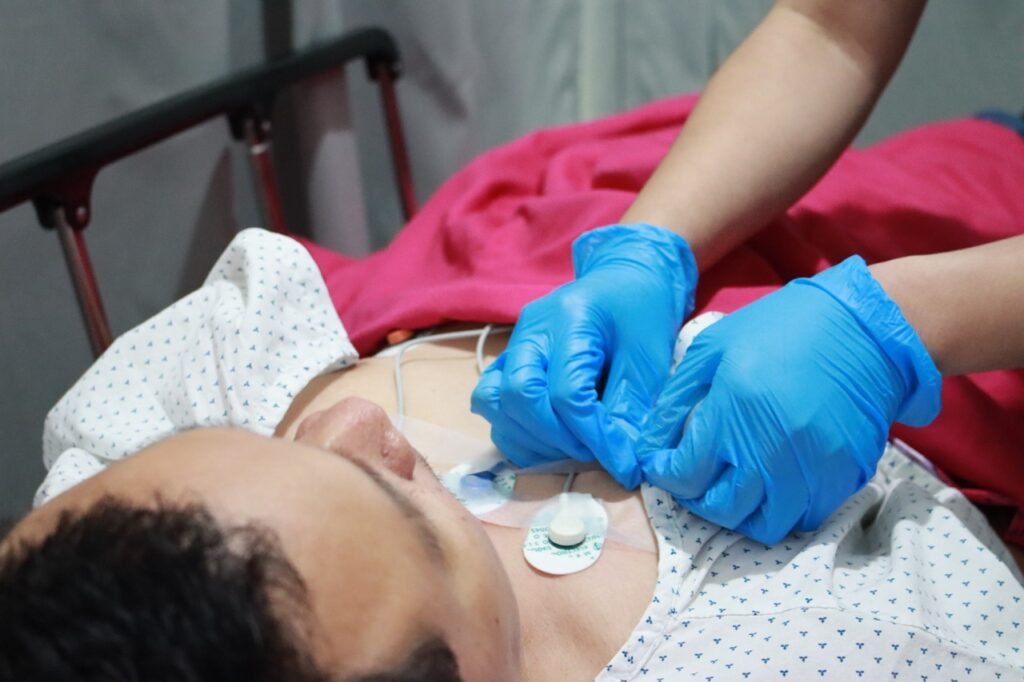
An ECG/EKG records the heart’s electrical activity, while blood tests can detect cardiac proteins such as troponin, which may increase when heart muscle is damaged. Depending on the situation, doctors may also use echocardiography, coronary angiography, CT, MRI, or stress testing.
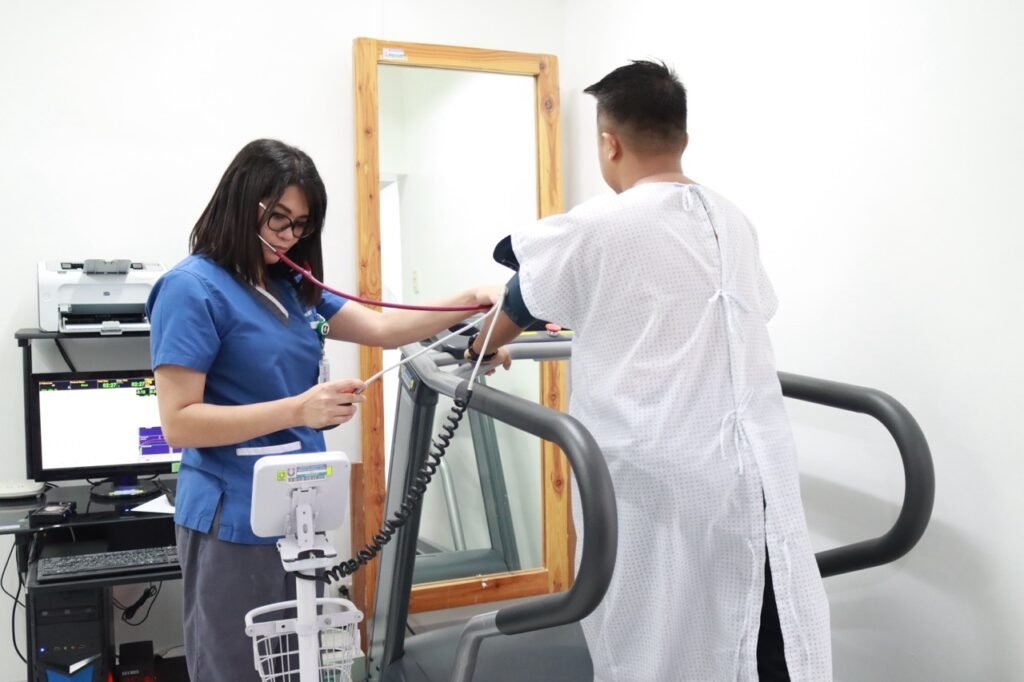
At Unihealth Southwoods Hospital and Medical Center’s Heart Station, cardiac diagnostic services include 12-lead ECG/EKG for adults and children, 24-hour Holter monitoring, 2D echocardiography, 2D Echo with Doppler, ambulatory blood pressure monitoring, carotid and other duplex scans, and treadmill stress testing. These tests assess different aspects of heart health, including electrical activity, structure, rhythm, blood pressure, blood flow, and response to exercise.
The Radiology Department also provides X-ray, ultrasound, CT scan, and MRI services, which may help evaluate the heart, lungs, blood vessels, or other structures when additional imaging is needed.
Not every patient needs every test. The healthcare team considers the complete clinical picture, including symptoms, medical history, examination findings, and test results, to determine the appropriate diagnosis and next steps.
How is a Heart Attack Treated?
The main goal of heart attack treatment is to restore blood flow to the heart as quickly as possible and limit further damage. Treatment depends on the type and severity of the heart attack, the location of any blockage, and the patient’s overall health. Medications may be used to reduce blood clotting, manage blood pressure or cholesterol, and reduce strain on the heart.
Some patients may need a procedure to reopen a blocked coronary artery. Coronary angioplasty uses a catheter and small balloon to widen a narrowed artery, with a stent sometimes placed to keep it open. In more complex cases, coronary artery bypass surgery may create another pathway for blood to reach the heart.
At Unihealth Southwoods Hospital and Medical Center’s Cardiac Catheterization and Vascular Center (Cath Lab), cardiac and vascular services include coronary angiography and coronary angioplasty, among other diagnostic and interventional procedures. A coronary angiogram uses contrast dye and X-ray imaging to identify narrowed or blocked arteries and help guide treatment.
Treatment continues beyond the immediate emergency. Long-term care may include prescribed medications, follow-up appointments, blood pressure and cholesterol management, lifestyle changes, and cardiac rehabilitation. Each treatment plan should be tailored according to the patient’s condition and recovery needs.
How to Prevent a Heart Attack
Preventing a heart attack starts with managing the cardiovascular risk factors you can control. While age and family history cannot be changed, you can work with a healthcare professional to manage blood pressure, cholesterol, blood sugar, tobacco exposure, physical activity, diet, sleep, and other health concerns. Prevention focuses on reducing avoidable risk and identifying problems early.
A heart-healthy lifestyle includes regular physical activity, nutritious foods, adequate sleep, smoking cessation, and stress management. Conditions such as high blood pressure, high cholesterol, and diabetes should also be properly managed, including taking prescribed medications as directed.
Diet also plays an important role in prevention. Choose more fruits and vegetables, fiber-rich foods, and minimally processed options while limiting saturated and trans fats, excess sodium, and highly processed foods. Sustainable changes are generally more practical than highly restrictive diets.
Regular health assessments can help identify changes in blood pressure, cholesterol, blood sugar, and other risk factors before symptoms appear. For non-emergency concerns, the Outpatient Department at Unihealth Southwoods Hospital and Medical Center provides consultations and specialist services, with a Cardiology doctor directory available for patients seeking a cardiology specialist.
Routine consultation should never replace emergency care. If you are currently experiencing symptoms that could indicate a heart attack, seek emergency medical attention immediately rather than waiting for an outpatient appointment.
Caring for Your Heart Beyond the Emergency
Heart health involves more than knowing what to do during an emergency. Understanding your cardiovascular risk, monitoring health conditions, and seeking care when something changes are also important. High blood pressure, high cholesterol, and diabetes can develop without obvious symptoms, so feeling well does not always mean your risk factors are under control.
Preventive care can help identify potential problems early. Depending on your health history, a healthcare professional may recommend blood pressure, cholesterol, or blood sugar testing, cardiac tests, lifestyle guidance, or specialist consultation.
At Unihealth Southwoods Hospital and Medical Center’s Heart Station, cardiovascular diagnostic services include ECG, Holter monitoring, echocardiography, blood pressure monitoring, duplex scans, and treadmill stress testing. When specialized intervention is needed, the hospital’s Cath Lab provides diagnostic and interventional cardiac and vascular procedures. For non-emergency concerns and follow-up, the Outpatient Department and cardiology specialists provide additional care options.
The goal is not to worry about every chest sensation, but to recognize when symptoms require emergency attention and when scheduled medical care is appropriate.
When Should You Seek Cardiology Consultation?
Not every episode of chest discomfort is a heart attack, but recurring or unexplained symptoms should not simply be ignored. If you repeatedly experience chest discomfort, palpitations, shortness of breath, dizziness, unusual fatigue, or other cardiovascular concerns, a healthcare professional can help determine whether further evaluation is appropriate.
A cardiology consultation may be useful when symptoms need further assessment or when a person has several cardiovascular risk factors. Through the Unihealth Southwoods Hospital and Medical Center Outpatient Department, patients can access outpatient consultations and specialist care. The hospital’s Cardiology doctor directory can also help patients identify available cardiology specialists.
However, there is an important distinction between routine cardiology consultation and emergency care. Sudden or persistent chest pressure, shortness of breath, cold sweating, nausea, faintness, or pain spreading to the arm, jaw, neck, back, or shoulder should not be managed by waiting for a routine appointment. If a heart attack is possible, seek emergency medical attention immediately.
Conclusion
A heart attack is a serious medical emergency that occurs when part of the heart muscle does not receive enough oxygen-rich blood. Heart attack symptoms can include chest pressure or discomfort, shortness of breath, cold sweating, nausea, dizziness, unusual fatigue, or discomfort in the arm, back, neck, jaw, shoulder, or stomach. Symptoms do not always involve severe chest pain.
Heart attack causes often involve coronary artery disease and plaque buildup. Risk factors include high blood pressure, high cholesterol, diabetes, tobacco use, physical inactivity, and other health conditions. While some risk factors cannot be changed, many can be managed through healthy habits, preventive care, and appropriate medical treatment.
Knowing how to prevent heart attack means taking practical steps to protect your heart, including eating a balanced diet, staying active, avoiding tobacco, managing blood pressure and cholesterol, controlling blood sugar, getting enough sleep, and following prescribed treatment. Regular health assessments can also help detect cardiovascular risks early.
If you experience possible heart attack symptoms, do not wait for them to disappear. Seek emergency medical attention immediately. At Unihealth Southwoods Hospital and Medical Center, cardiovascular care includes diagnostic services through the Heart Station, specialized cardiac and vascular procedures through the Cath Lab, imaging through Radiology, and specialist consultations through the OPD.
Your heart does not have to hurt dramatically before it deserves attention. Knowing your risk, recognizing warning signs, and seeking appropriate care promptly can help you make informed decisions about your cardiovascular health.
Unihealth Southwoods Hospital and Medical Center
Lot 3 Blk 11 Southwoods Ecocentrum Business Park, Brgy. San Francisco, Biñan City, Laguna
Trunkline: (02) 8898-9700 | (02) 8861-6386 | (02) 8775-2861
Email: ushmc.customerservice@gmail.com
Facebook: @UnihealthSouthwoods | Instagram: @unihealth_southwoods
Important Reminder: This guide is for general educational purposes only and does not constitute medical advice. DO NOT self-diagnose. For proper diagnosis and treatment of dengue, please consult a licensed physician.
Frequently Asked Questions
1. What are the most common heart attack symptoms?
The most common heart attack symptoms include chest pressure, squeezing, fullness, tightness, or discomfort that may last several minutes or come and go. Other symptoms can include shortness of breath, cold sweating, nausea, dizziness, weakness, unusual fatigue, and discomfort in the arm, shoulder, back, neck, jaw, or stomach. Symptoms vary between individuals, so the absence of severe chest pain does not automatically rule out a heart attack.
2. What are the heart attack symptoms in women?
Heart attack symptoms in women can include chest pain or discomfort, but women may also experience shortness of breath, nausea, vomiting, unusual tiredness or weakness, upset stomach, and discomfort in the back, shoulder, arm, or jaw. These symptoms can occur with or without noticeable chest discomfort. If the symptoms are sudden, unusual, or concerning, seek emergency medical attention rather than assuming they are caused by stress, indigestion, or anxiety.
3. Can acid reflux feel like a heart attack?
Yes. Acid reflux can cause burning or discomfort in the chest, and a heart attack can sometimes produce indigestion-like sensations. Because the symptoms can overlap, it is not safe to diagnose the cause based only on how the discomfort feels. New or unexplained chest discomfort, particularly when accompanied by shortness of breath, sweating, nausea, dizziness, or upper-body pain, requires prompt medical evaluation.
4. What should I do if I think I am having a heart attack?
Treat the situation as an emergency and contact your local emergency medical service immediately. Do not wait for the symptoms to become severe or try to diagnose yourself at home. If another person becomes unconscious and is not breathing normally, emergency services should be contacted, and CPR should be started by someone trained to provide it. You may call our Emergency Department at +63 (02) 8898 9700.
5. How can I reduce my risk of a heart attack?
Avoid tobacco, maintain regular physical activity, choose a heart-healthy eating pattern, manage blood pressure and cholesterol, control blood sugar, get adequate sleep, and follow prescribed medical treatment. Regular health assessments can also help identify cardiovascular risk factors before they cause noticeable symptoms. The appropriate prevention plan depends on your individual health history and risk factors.