


Brain and Neurological Conditions
- Home
- Brain and Neurological Conditions
The brain, spinal cord, and nerves work together to control movement, sensation, memory, speech, coordination, and other essential body functions. When any part of the nervous system is affected, it may lead to changes in how a person thinks, moves, communicates, or performs everyday activities.
Neurological conditions can develop gradually or occur suddenly, depending on their underlying cause. Some may involve recurring headaches, numbness, muscle weakness, or changes in balance, while others may affect memory, behavior, or the ability to control movement.
At UniHealth Southwoods Hospital and Medical Center in Biñan, Laguna, patients can access neurology consultations and related diagnostic services for the evaluation of concerns affecting the brain, spinal cord, and nervous system. Consulting with a neurologist can help identify possible neurological disorders and determine the appropriate next steps for care.
Brain and Neurological Function
The nervous system is the body’s communication network. It receives information from different parts of the body, processes it, and sends signals that allow the body to respond and function.
- It is generally divided into two main parts:
- Central Nervous System: Consists of the brain and spinal cord. The brain processes information, supports memory and thinking, and controls many body functions. The spinal cord carries messages between the brain and the rest of the body.
- Peripheral Nervous System: Includes the nerves outside the brain and spinal cord. These nerves transmit signals that support movement, sensation, and communication between the central nervous system and other parts of the body.
- Together, these structures help regulate several important functions, including:
- Movement and Coordination: Controls voluntary movements, muscle activity, balance, and coordination.
- Sensation: Allows the body to recognize touch, pain, temperature, pressure, and other sensory information.
- Memory and Thinking: Supports learning, concentration, decision-making, and information processing.
- Speech and Communication: Helps coordinate the brain and muscles involved in speaking and understanding language.
- Automatic Body Functions: Helps regulate functions such as breathing, heart rate, and other processes that occur without conscious effort.
Because the nervous system influences nearly every part of the body, neurological changes may appear in different ways. Persistent or unexplained symptoms may require a neurological assessment to determine whether an underlying condition is present.
What Is Neurological Impairments?
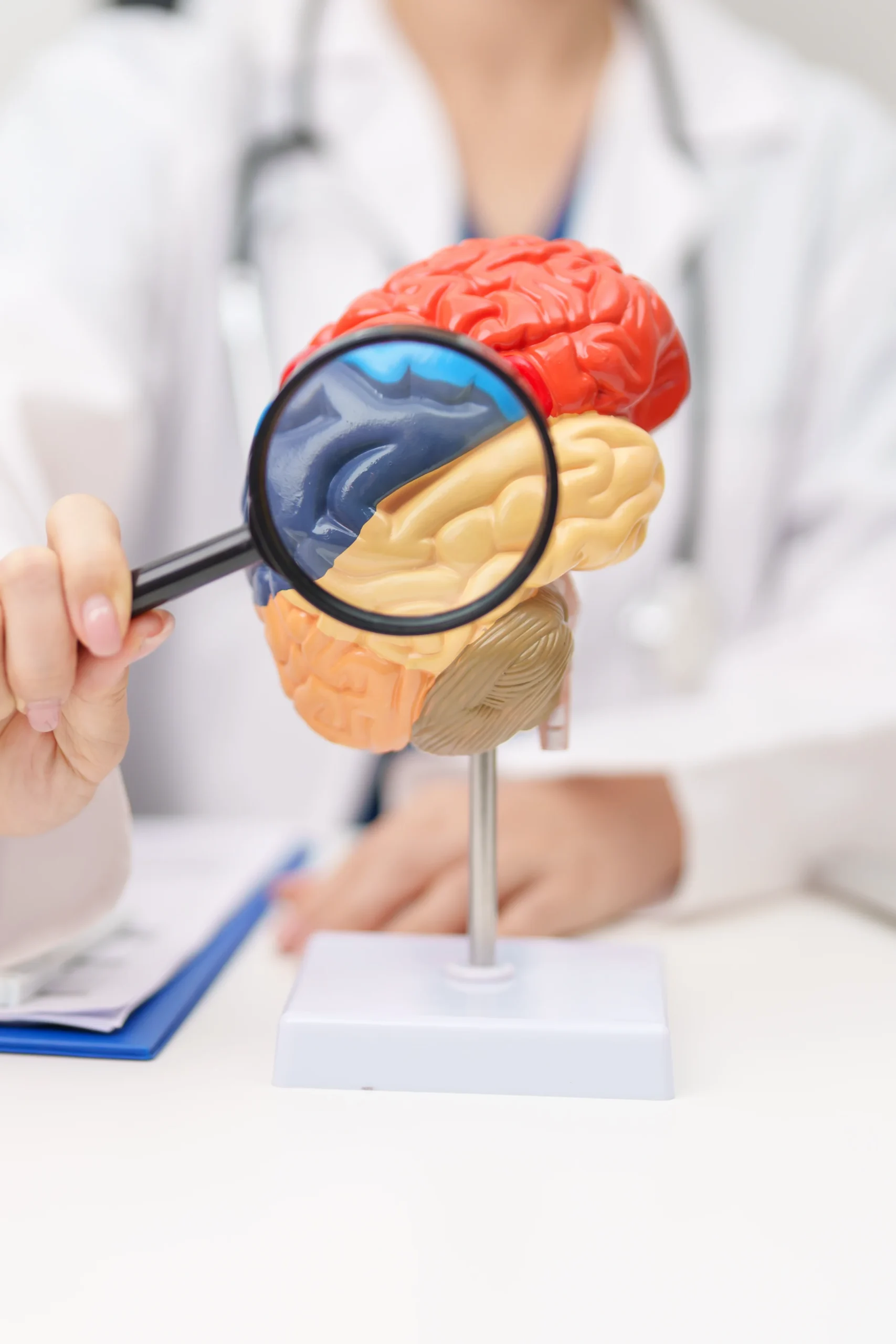
If you are asking what is neurological impairments, the term refers to changes or limitations in the body’s functions caused by damage, disease, or dysfunction involving the nervous system.
Neurological impairment may affect a person’s ability to move, feel sensations, communicate, remember information, maintain balance, or perform everyday activities. The extent of impairment depends on the affected part of the nervous system, the underlying condition, and its severity.
Some impairments may be temporary, while others can be long-term or progressive. For example, a person recovering from a stroke may experience weakness on one side of the body, while someone with a nerve disorder may develop persistent tingling, numbness, or muscle weakness.
Neurological conditions do not affect everyone in the same way. A proper medical evaluation helps determine the possible cause, the extent of the impairment, and the appropriate treatment or management plan.
Causes of Neurological Impairment
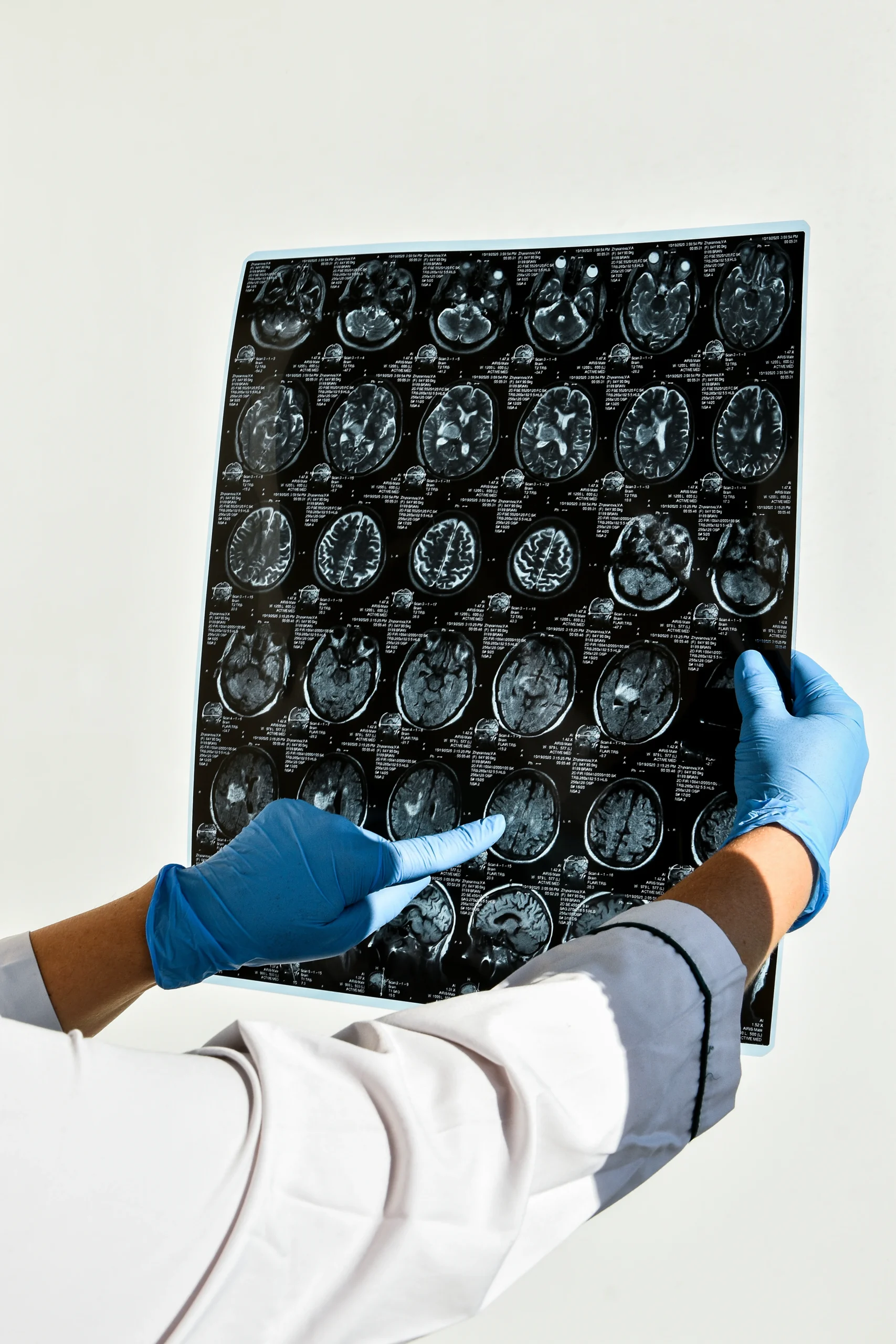
The causes of neurological impairment vary depending on the affected structure and the type of condition. Some neurological problems develop because of damage to the brain or spinal cord, while others involve the nerves that transmit signals throughout the body.
Common causes may include:
Stroke
Occurs when blood flow to part of the brain is interrupted or when a blood vessel in the brain ruptures. This can damage brain tissue and affect movement, speech, sensation, or other functions.
Head or Spinal Cord Injuries
Trauma from accidents, falls, or other injuries may damage the brain, spinal cord, or peripheral nerves.
Infections
Certain infections can affect the nervous system, including conditions such as meningitis and encephalitis.
Degenerative Conditions
Diseases that progressively affect nerve cells may lead to changes in movement, memory, coordination, or other neurological functions.
Genetic and Inherited Conditions
Some neurological disorders are associated with inherited genetic changes that affect how the nervous system develops or functions.
Blood Vessel Disorders
Problems involving blood vessels that supply the brain may contribute to stroke and other neurological complications.
Metabolic and Nutritional Problems
Certain metabolic conditions or nutritional deficiencies may affect nerve function and contribute to neurological symptoms.
Tumors
Abnormal growths in or around the brain and spinal cord may affect nearby structures and interfere with normal neurological function.
Understanding the causes of neurological disorders is important because similar symptoms may result from different conditions. A neurologist can review a patient’s medical history, examine neurological function, and recommend diagnostic tests to help identify the underlying concern.
Neurological Disorders Warning Signs
Neurological symptoms may develop gradually or appear suddenly. Recognizing unusual changes in movement, sensation, speech, memory, or coordination can help patients seek medical attention when needed.
- Possible warning signs include:
- Frequent or persistent headaches, especially when accompanied by other unusual symptoms
- Sudden or unexplained numbness, tingling, or weakness
- Difficulty walking, maintaining balance, or coordinating movements
- Tremors or involuntary muscle movements
- Changes in memory, concentration, or behavior
- Difficulty speaking, understanding speech, or swallowing
- Blurred vision, double vision, or sudden changes in eyesight
- Recurrent episodes of dizziness or loss of coordination
- Seizures or unexplained episodes of altered awareness
- Persistent nerve pain, burning sensations, or muscle weakness
A focal neurological deficit, such as sudden weakness on one side of the body or difficulty speaking, may be a warning sign of stroke.
Seek emergency medical attention immediately if you experience sudden facial drooping, arm weakness, speech difficulty, sudden vision loss, or an abrupt loss of balance or coordination. These symptoms may indicate a stroke, and prompt treatment is critical.
Common Neurological Disorders
Neurological disorders affect the brain, spinal cord, or peripheral nerves. They may influence movement, sensation, cognition, coordination, and other essential functions.
Some common neurological conditions include:
Stroke
A medical emergency that occurs when blood flow to part of the brain is blocked or when bleeding occurs in the brain. Symptoms may include sudden weakness, facial drooping, difficulty speaking, or changes in vision and balance.
Epilepsy
A neurological condition characterized by a tendency to experience recurrent seizures. Seizures may involve changes in movement, awareness, sensation, or behavior.
Migraine
A type of headache disorder that may cause recurring episodes of moderate to severe head pain, sometimes accompanied by nausea, sensitivity to light, or sensitivity to sound.
Parkinson's Disease
A progressive neurological disorder that affects movement. Common symptoms include tremors, muscle stiffness, slowed movement, and changes in balance.
Alzheimer's Disease and Other Dementias
Conditions that affect memory, thinking, behavior, and the ability to perform everyday activities. Symptoms may develop gradually and become more noticeable over time.
Peripheral Neuropathy
A condition involving damage or dysfunction of peripheral nerves. It may cause numbness, tingling, burning sensations, pain, or weakness, particularly in the hands and feet.
Multiple Sclerosis
A condition in which the immune system affects the protective covering of nerve fibers in the central nervous system. Symptoms may include vision problems, muscle weakness, numbness, and coordination difficulties.
Brain Tumors
Abnormal growths in the brain that may affect nearby tissues and interfere with normal neurological functions. Symptoms depend on the tumor’s location, size, and other characteristics.
Functional Neurological Symptom Disorder
A condition involving neurological symptoms, such as weakness, movement difficulties, or episodes of altered sensation, that are associated with changes in how the brain functions rather than structural damage identified through routine testing. Diagnosis requires appropriate clinical evaluation.
Focal Neurological Deficit
A finding involving a specific loss or change in neurological function, such as weakness in one arm, difficulty speaking, or loss of sensation in a particular area. It is a sign that may indicate an underlying neurological problem, including stroke, and requires prompt assessment.
These neurological conditions vary in their causes, symptoms, and treatment approaches. Some require ongoing medical management, while others may need urgent evaluation or specialized care.
Diagnosis and Neurological Assessment
A neurological assessment helps evaluate how well the brain, spinal cord, and nerves are functioning. It allows a neurologist to identify possible abnormalities, determine which areas of the nervous system may be affected, and decide whether additional diagnostic testing is needed.
During a neurologist’s consultation, the doctor may review the patient’s medical history, discuss current symptoms, and perform a physical and neurological examination.
- A neurological assessment may include the following:
- Medical History Review: The doctor asks about symptoms, their onset and duration, previous illnesses, medications, injuries, and relevant family medical history.
- Mental Status Examination: Evaluates memory, attention, orientation, language, and other cognitive functions.
- Cranial Nerve Examination: Checks functions involving the nerves responsible for vision, facial movement, hearing, swallowing, and other activities.
- Motor Function Assessment:Examines muscle strength, tone, and movement to identify possible weakness or abnormal muscle activity.
- Sensory Examination: Evaluates the ability to recognize touch, pain, temperature, and other sensations.
- Reflex Testing: Checks the body's automatic responses to certain stimuli.
- Coordination and Balance Tests: Assess movement control, coordination, posture, and balance.
- Depending on the findings, the neurologist may recommend additional diagnostic procedures, such as:
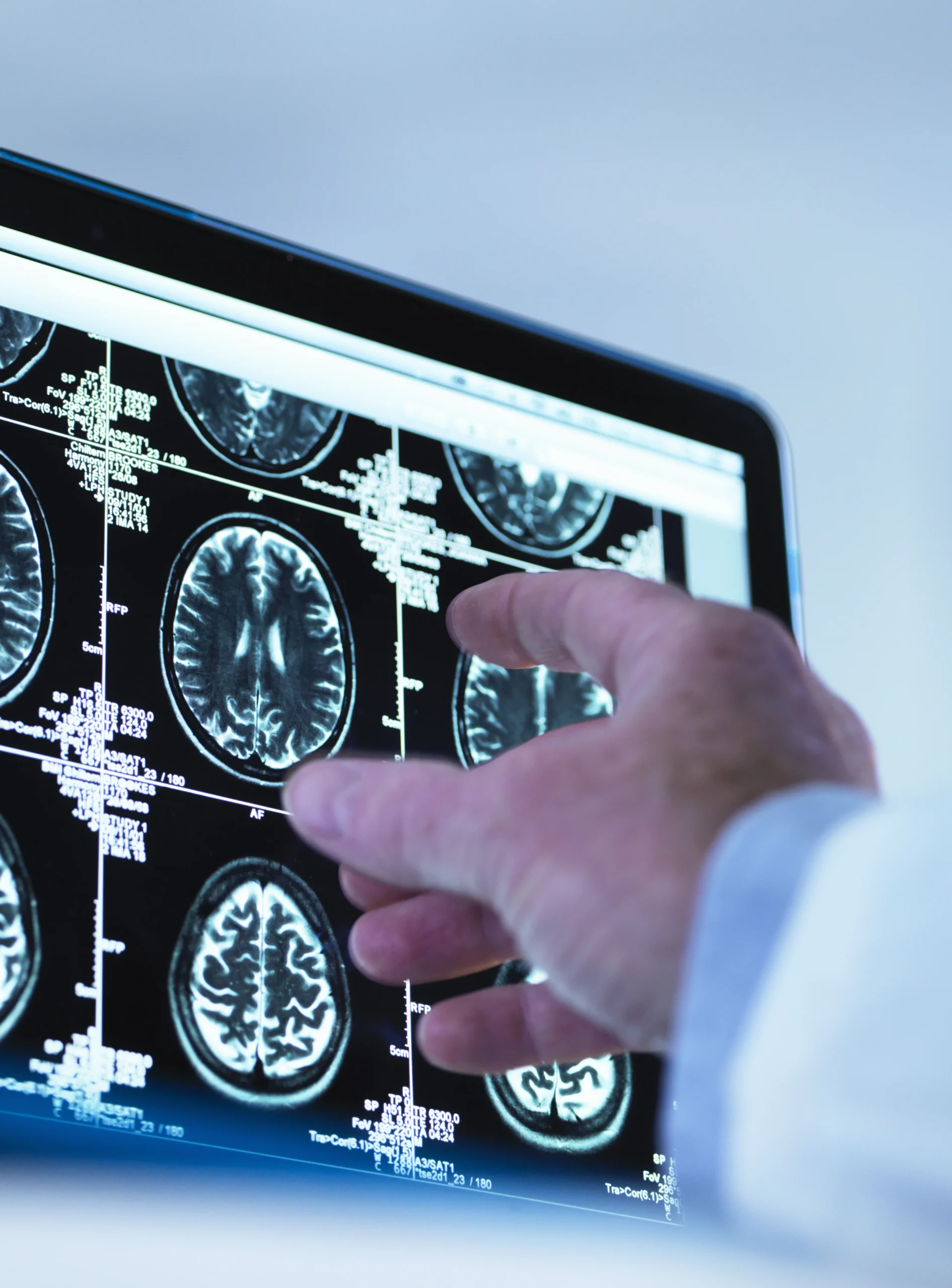
- Brain MRI: Produces detailed images of brain structures and may help identify tumors, areas of injury, inflammation, or other abnormalities.
- Brain CT Scan: Uses imaging to evaluate the brain and may be used in emergency situations to assess possible bleeding, stroke-related changes, or head injuries.
- MR Angiography (MRA): Examines blood vessels to help identify certain vascular abnormalities.
- Carotid Doppler Ultrasound: Evaluates blood flow through the carotid arteries, which supply blood to the brain.
Not every patient requires all these tests. The recommended diagnostic procedures depend on the symptoms, examination findings, and suspected neurological condition.
When to See a Doctor
You should consider consulting a neurologist when you experience persistent, recurring, or unexplained symptoms that may involve the nervous system. Early evaluation can help identify possible neurological conditions and determine whether treatment, monitoring, or additional testing is necessary.
A neurologist consultation may be appropriate if you experience recurring headaches, unexplained numbness, muscle weakness, tremors, memory changes, balance difficulties, or repeated episodes of dizziness.
You should also seek medical evaluation if symptoms begin affecting your ability to work, walk, communicate, or perform everyday activities.
However, sudden neurological symptoms require a different level of urgency. Sudden facial drooping, weakness on one side of the body, difficulty speaking, or sudden vision changes may indicate a stroke. Do not wait for a scheduled neurologist appointment if these symptoms occur. Seek emergency medical attention immediately.
Neurology Services Available at UniHealth Southwoods
UniHealth Southwoods Hospital and Medical Center provides access to specialist consultations and supporting medical services for patients with concerns involving the brain and nervous system. These services may support the evaluation, diagnosis, and management of neurological conditions based on the patient’s medical needs.
Neurology Consultation
Neurology consultation allows patients to discuss symptoms affecting the brain, spinal cord, and nerves with a specialist. During the appointment, the neurologist may review the patient’s medical history, conduct a neurological assessment, and recommend diagnostic tests or treatment options based on the findings.
Patients experiencing recurring headaches, numbness, muscle weakness, tremors, memory changes, or other neurological symptoms may benefit from specialist evaluation.
Radiology Services
Radiology Services supports the evaluation of neurological conditions through diagnostic imaging. Depending on the doctor’s assessment, available imaging procedures may include Brain MRI, Brain CT scans, MR Angiography (MRA), and Carotid Doppler scans to help investigate concerns involving strokes, tumors, hemorrhages, and vascular abnormalities.
These imaging procedures provide information that may help doctors assess the brain and blood vessels and determine appropriate next steps for care.
CathLab
The Cardiac Catheterization Laboratory (CathLab) provides specialized facilities for catheter-based procedures. In selected cases, catheter-based techniques may also be used in neuro-interventional care, including cerebral angiography, acute stroke thrombectomy, and intracranial aneurysm coiling.
These procedures involve specialized evaluation and treatment of blood vessel conditions affecting the brain. Their suitability depends on the patient’s diagnosis, clinical condition, and the availability of the required specialist team and services.
Eye Center
The Eye Center provides eye-related evaluation and care for conditions that may overlap with neurological concerns. Certain problems involving the optic nerve, cranial nerves, or visual pathways may cause symptoms such as double vision, changes in visual fields, or other vision difficulties.
When a neurological cause is suspected, an eye examination may help identify concerns that require further assessment or coordination with other specialists.
Outpatient Department
The Outpatient Department houses specialist consultation clinics for Neurology, Neurosurgery, and Pediatric Neurology. Patients can seek consultations for concerns involving the brain, spinal cord, nerves, and neurological development, depending on the specialist services and clinic schedules available.
Related Health Articles
Learn more about healthcare coverage, hospital services, and neurological emergencies through these related resources from UniHealth Southwoods:




Take the Next Step
Neurological symptoms should not be ignored, especially when they persist, recur, or interfere with everyday activities. A timely medical evaluation can help identify possible neurological conditions and guide patients toward appropriate care.
If you are experiencing symptoms involving your brain, spinal cord, or nerves, you can arrange a neurologist consultation at UniHealth Southwoods Hospital and Medical Center in Biñan, Laguna.