


Diabetes Conditions
- Home
- Diabetes Conditions
Diabetes is a chronic condition in which blood glucose levels become too high. Glucose is an important source of energy, while insulin is a hormone that helps glucose move from the bloodstream into the body’s cells.
Diabetes develops when the body does not produce enough insulin or cannot use insulin effectively. Over time, persistently high blood sugar can damage blood vessels and nerves, increasing the risk of complications involving the heart, kidneys, eyes, and feet.
There are several types of diabetes, including Type 1, Type 2, and gestational diabetes. Although they all involve problems with blood glucose regulation, their causes and treatment requirements differ.
Common Symptoms & Warning Signs (Sintomas ng diabetes)
The signs of high blood sugar can develop gradually or appear more suddenly depending on the type of diabetes. Some people experience noticeable symptoms early on, while others may live with elevated blood sugar levels for a long time without realizing it.
What Are the 10 Warning Signs of Diabetes?
- The 10 warning signs of diabetes include the following:
- Frequent urination (polyuria): Needing to urinate more often, especially at night.
- Increased thirst (polydipsia): Feeling constantly thirsty despite drinking fluids.
- Extreme fatigue: Feeling unusually tired, drained, or exhausted throughout the day.
- Unexplained weight loss: Losing weight rapidly even though you are eating normally or more than usual.
- Blurred vision: Experiencing temporary changes or blurriness in your eyesight.
- Slow-healing cuts or frequent infections: Cuts, sores, or bruises that take a long time to heal, or recurring skin and gum infections.
- Tingling or numbness in the hands or feet: Nerve discomfort or a "pins and needles" sensation in the extremities.
- Increased hunger (polyphagia): Feeling constantly hungry even after eating meals.
- Dry, itchy skin: Persistent skin dryness or irritation caused by poor circulation and fluid loss.
- Mood changes: Experiencing irritability, sudden mood swings, or trouble concentrating due to fluctuating energy levels.

Sintomas ng Diabetes sa Paa
Diabetes can affect the nerves and blood circulation, making foot injuries harder to notice and slower to heal. Some people develop nerve damage that reduces their ability to feel pain, heat, or cold. A small blister or cut can therefore worsen before it is noticed.
- Watch for these possible symptoms of diabetes-related foot conditions:
- Pamamanhid or reduced sensation
- Pangingilig, burning sensations, or pain
- Dry, cracked skin
- Changes in skin color or temperature
- Swelling, redness, or tenderness
- Blisters, cuts, sores, or ulcers that do not heal
- Signs of infection, such as discharge or spreading redness
Understanding Blood Sugar Levels & Testing
Blood Sugar Level Chart
Test | Normal range | Prediabetes range | Diabetes range |
Fasting plasma glucose (FPG or FBS) | 99 mg/dL or below | 100 to 125 mg/dL | 126 mg/dL or above |
HbA1c | Below 5.7% | 5.7% to 6.4% | 6.5% or above |
Two-hour oral glucose tolerance test (OGTT) | 139 mg/dL or below | 140 to 199 mg/dL | 200 mg/dL or above |
A blood sugar level chart helps explain how laboratory results are commonly classified when screening nonpregnant adults for diabetes and prediabetes. The result must be interpreted according to the type of test, preparation, symptoms, medical history, and the clinician’s assessment.
Monitoring your blood glucose is essential for diagnosing and managing diabetes. Knowing what numbers are normal helps you identify potential risks early.
What is a normal blood sugar reading?
For most adults without diabetes, a normal fasting blood sugar reading is typically below 100 mg/dL.
What is a normal sugar level by age?
While baseline targets can vary slightly depending on age, overall health status, and presence of other conditions, older adults may sometimes have slightly higher individualized target ranges as advised by their physician.
How many hours fasting for FBS?
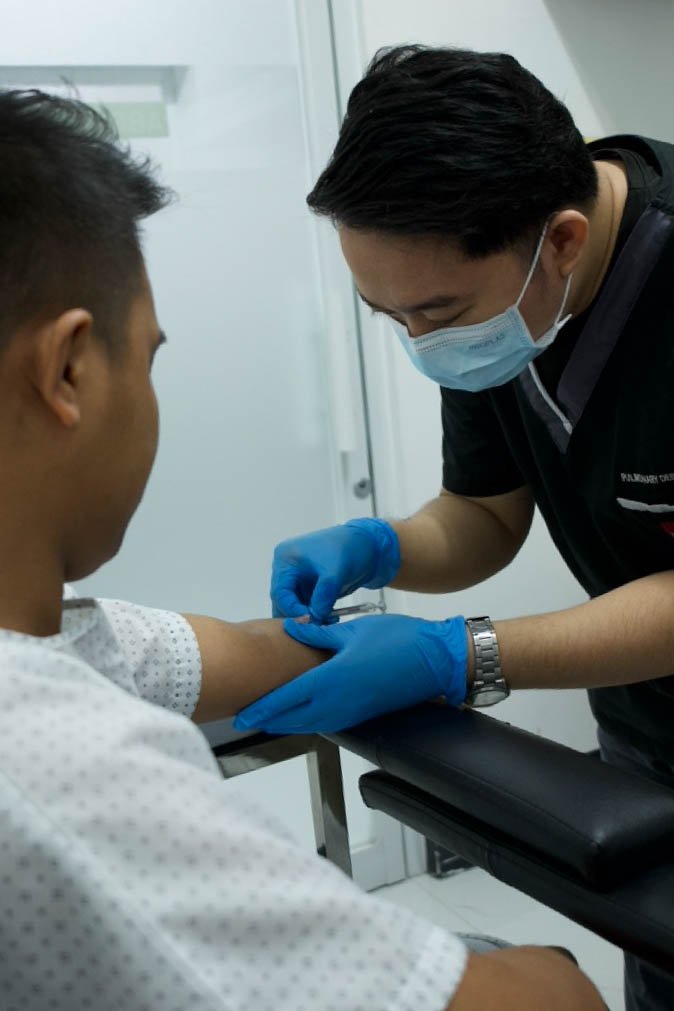
A Fasting Blood Sugar (FBS) test generally requires 8 to 10 hours of fasting (no food or caloric drinks except plain water) prior to your laboratory blood extraction.
For FBS availability, preparation details, and other laboratory services, visit the UniHealth Southwoods Laboratory Services page

Type 1 vs. Type 2 Diabetes
Type 1 and Type 2 diabetes both cause high blood glucose, but they develop differently and may require different treatment approaches.
Feature | Type 1 diabetes | Type 2 diabetes |
Main mechanism | The immune system destroys insulin-producing cells in the pancreas. | The body does not use insulin effectively and may eventually produce too little. |
Onset | Can develop at any age and may appear relatively quickly. | Often develops gradually, but can occur at any age. |
Insulin | Daily insulin is required. | Treatment may include lifestyle changes, oral or injectable medicines, and insulin when needed. |
Prevention | Currently cannot be prevented through known lifestyle changes. | Risk can often be reduced or onset delayed through lifestyle changes, especially in people with prediabetes. |
Which is worse, type 1 or 2 diabetes?
Neither form is inherently “worse” than the other, as both carry serious health risks if left unmanaged. Both types require careful daily monitoring, lifestyle modifications, and ongoing medical care.
Is diabetes curable?
While there is currently no absolute permanent cure for diabetes, Type 2 diabetes can often be successfully put into remission through sustained weight loss, healthy diet, regular exercise, and tight blood sugar control under medical supervision.
Is diabetes hereditary?
Yes, genetics plays a role. Having a parent or sibling with Type 1 or Type 2 diabetes can increase your lifetime risk of developing the condition, though lifestyle and environmental factors also heavily influence whether it triggers.
Food and Diet Guidelines for Diabetics
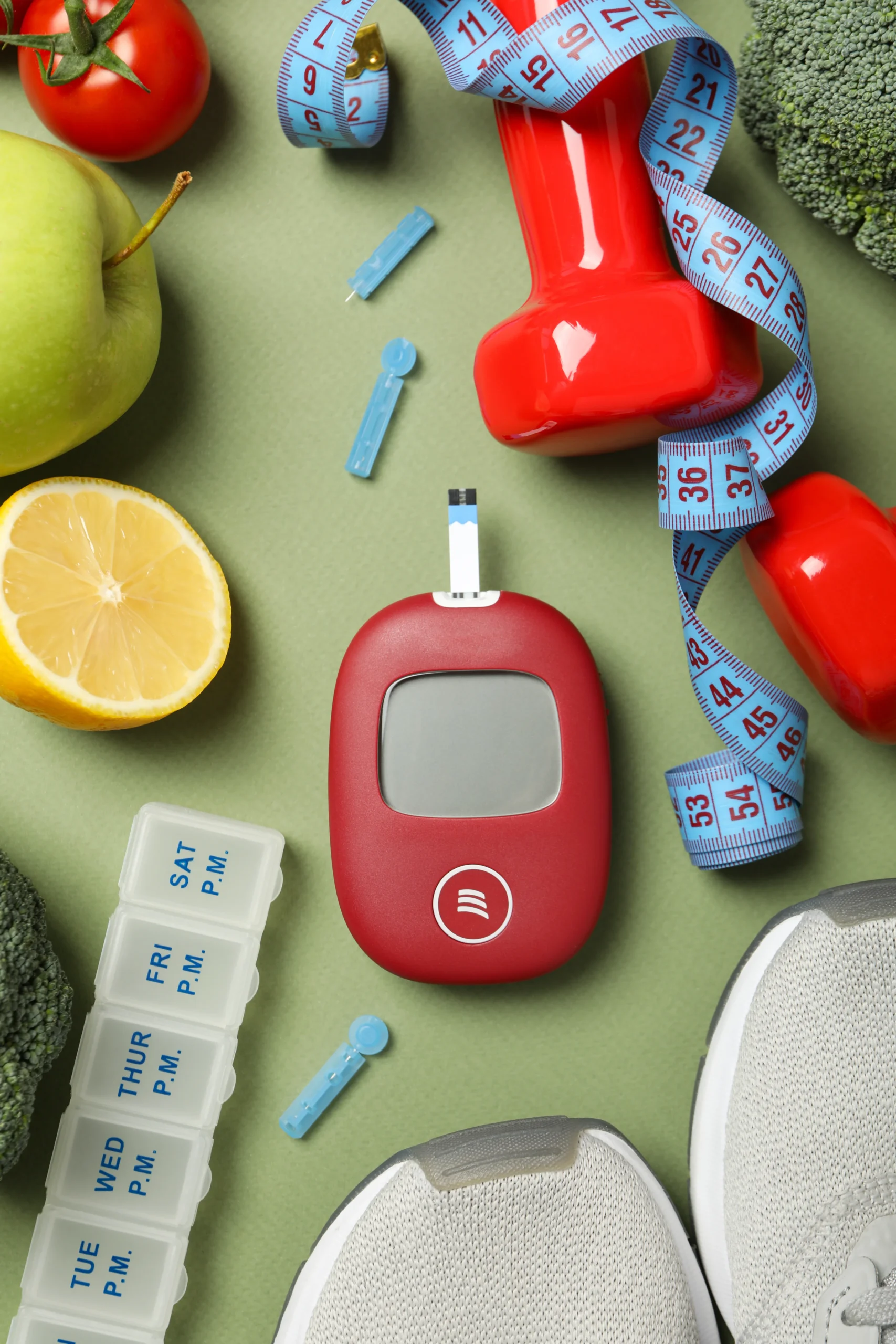
Managing your diet is one of the most powerful tools for keeping blood glucose levels stable. Patients often ask about specific local foods:
What foods to avoid with diabetes?
Limit or avoid foods high in refined sugars, trans fats, and simple carbohydrates, such as sugary beverages, white bread, pastries, processed snacks, and deep-fried foods.
Is brown rice good for diabetics?
Yes, brown rice has a lower glycemic index and more fiber than white rice, helping prevent sharp blood sugar spikes.
Is camote good for diabetic?
Yes, sweet potato (camote) is a nutritious, fiber-rich complex carbohydrate that can be enjoyed in moderation as a healthier alternative to white potatoes.
Is oatmeal good for diabetics?
Yes, oatmeal contains soluble fiber called beta-glucan, which slows down glucose absorption and helps improve insulin sensitivity.
Is honey good for diabetics?
Honey is still a form of carbohydrate and sugar that can raise blood glucose levels; while natural, it should be consumed very sparingly.
Are fruits (banana/apple/papaya/pineapple) good for diabetes?
Fruits provide essential vitamins and fiber, but portion control is vital.
Is corn good for diabetics?
Corn contains carbohydrates and natural sugars and can be included in balanced meal plans, provided portion sizes are factored into your daily carbohydrate count.
Common FAQs & Practical Health Questions
How to prevent diabetes?
You can significantly lower your risk of developing Type 2 diabetes by maintaining a healthy body weight, engaging in regular physical activity, eating a fiber-rich balanced diet, avoiding smoking, and getting routine health screenings.
Can diabetics donate blood?
Generally, individuals with well-controlled diabetes managed through diet, exercise, or non-insulin oral medications may be eligible to donate blood, provided they meet all other standard blood donor health criteria.
How can a diabetic wound heal faster?
Proper wound care requires keeping blood sugar levels tightly controlled, keeping the wound clean and moist, avoiding pressure on the affected area, seeking immediate medical treatment for signs of infection, and getting professional assessment for any foot ulcers.

Gamot sa diabetes
Ang pag-inom ng tamang gamot, tulad ng maintenance medications o insulin na nireseta ng doktor, ay mahalaga upang makontrol ang blood sugar at maiwasan ang mga kumplikasyon.
Diagnosis & Evaluation
If you suspect you have diabetes or need a comprehensive metabolic assessment, our medical professionals offer diagnostic evaluations:
- Routine clinical consultation and physical evaluation
- Laboratory blood work including Fasting Blood Sugar (FBS), Random Blood Sugar (RBS), and HbA1c testing
- Specialized evaluations for kidney function, lipid profiles, and cardiovascular health

When Should You See a Doctor?
Schedule a medical consultation if you experience persistent warning signs like unquenchable thirst, frequent urination, blurred vision, or slow-healing wounds. Routine screening is especially recommended if you are over 35, overweight, have a family history of diabetes, or have high blood pressure.
Medical Services Available at UniHealth Southwoods
Outpatient Clinic / Internal Medicine
The Outpatient Clinic provides consultations for patients who need assessment, diagnosis, and ongoing management of diabetes and other metabolic disorders. Internal Medicine specialists can help patients understand their condition and develop an appropriate care plan.
Laboratory Services
Laboratory Services offers diagnostic blood testing to help assess and monitor diabetes, including fasting blood sugar (FBS), oral glucose tolerance tests (OGTT), and HbA1c testing to evaluate blood sugar levels over time.
Emergency Services
Emergency Services provides urgent medical attention for acute diabetic complications, including diabetic ketoacidosis (DKA) and dangerously high or low blood sugar levels that require immediate assessment and treatment.
Endocrinologist Consultation
Endocrinologist Consultation connects patients with specialists who assess and manage diabetes and other hormonal or metabolic conditions. An endocrinologist can help guide blood sugar management, review treatment options, and support long-term diabetes care.
Related Health Articles
Learn more about diabetes, warning signs, and related conditions through our educational resources:



These articles provide additional health information, while diagnosis and treatment decisions should be discussed with a qualified healthcare professional.
Take the Next Step
Patients looking for diabetes screening or blood testing in Biñan City, Laguna, can inquire about laboratory services at UniHealth Southwoods Hospital and Medical Center.