


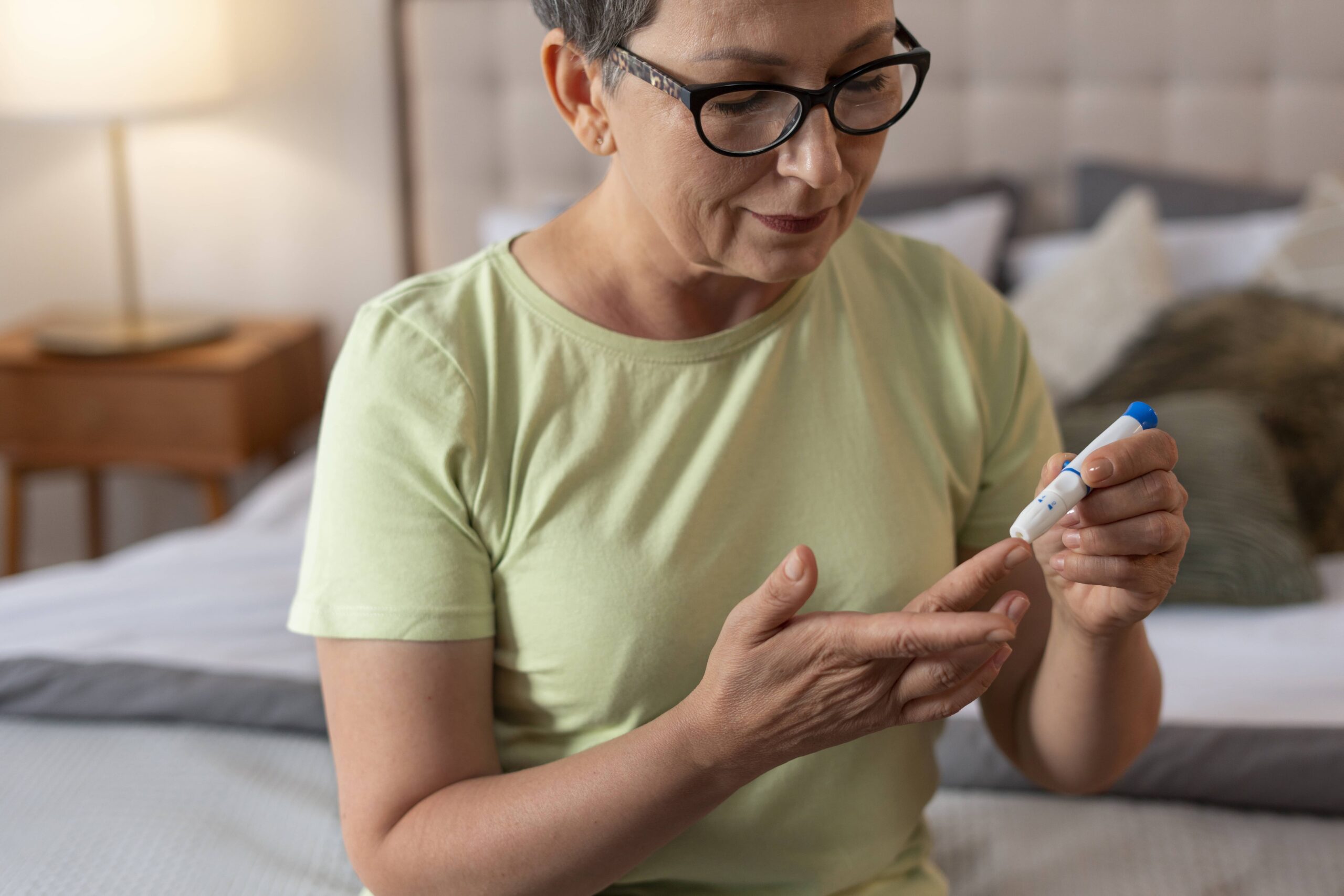
You don’t have to figure out how to live with your Type 2 diabetes all alone.
UniHealth Southwoods Hospital and Medical Center (USHMC) offers a complete and compassionate approach to diabetes care in Biñan, Laguna. From early symptoms to ongoing diabetes management, we’re here to help you every step of the way.
Understanding Type 2 Diabetes
What is Type 2 Diabetes?
Type 2 diabetes is a chronic condition where your body either resists insulin or doesn’t produce enough of it. Insulin is the hormone that helps regulate blood sugar.
Without enough insulin, sugar builds up in your bloodstream. This condition is also known as insulin resistance.
What is the Difference Between Type 1 and Type 2 Diabetes?
Understanding the difference between type 1 and type 2 diabetes is important for getting the right care. In Type 1 Diabetes, your immune system attacks the cells that produce insulin, which means your body has little to no insulin on its own. In Type 2 Diabetes, on the other hand, this develops when your body slowly becomes less responsive to insulin, a condition called insulin resistance, or when your pancreas can’t produce enough insulin to maintain healthy blood sugar levels anymore. Type 2 is more common than Type 1 and is closely linked to lifestyle factors such as diet, physical activity, and weight.
According to the World Health Organization, diabetes is one of the health issues that has become a growing global burden, and the Philippines is no exception. With rising population in urban areas like Biñan City, timely intervention and proper healthcare are essential for diabetes patients more than ever.At Unihealth Southwoods Hospital, we offer a specialized Diabetes Center to help patients manage this condition comprehensively.
Causes and Risk Factors
Genetics, weight, inactivity, age, and even ethnicity can increase your risk. If you’re over 40, overweight, or have a family history of diabetes, it’s time to be extra cautious.
Signs and Symptoms to Watch For
Early Signs of Diabetes in Filipino Adults
Not sure if you have it? Diabetes symptoms can vary, but common diabetes symptoms in adults include:
- Increased thirst and hunger
- Frequent urination
- Fatigue
- Blurred vision
- Slow-healing wounds
- Tingling in hands or feet
Do Women Experience Different Diabetes Symptoms?
Diabetes symptoms in women can sometimes differ from those in men, making them easier to overlook. In addition to the symptoms mentioned above, women may also experience recurring yeast infections, urinary tract infections (UTIs), Polyendocrine Metabolic Ovarian Syndrome (PMOS), formerly known as Polycystic Ovarian Syndrome (PCOS), decreased libido, and greater fatigue or mood changes due to fluctuating blood sugar levels. Hormonal shifts, including those that happen during pregnancy, menstruation, and menopause, can also affect insulin resistance, making blood sugar harder to manage. Women are encouraged to get early testing if experiencing any of these symptoms.
When to See a Doctor
If you’re experiencing any of the above diabetes symptoms, don’t wait. Early detection is key to effective management—and UniHealth Southwoods Hospital and Medical Center can help guide you from diagnosis to treatment.
Diabetes Complications If Left Untreated
Common Diabetic Complications
Ignoring Type 2 diabetes can lead to severe issues such as:
- Heart disease
- Nerve damage
- Kidney failure
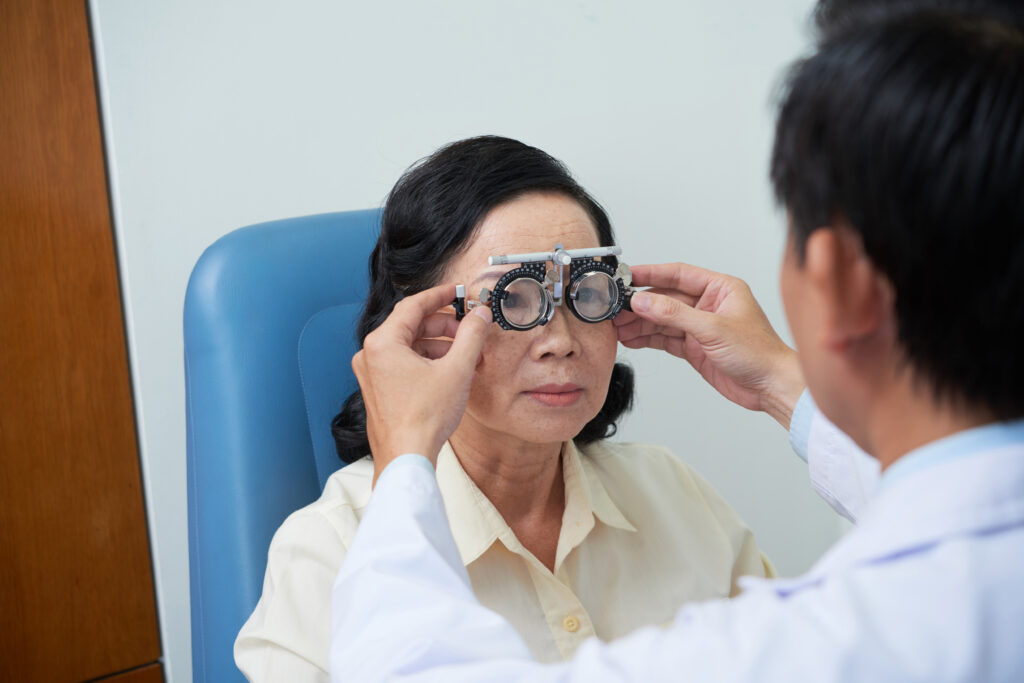
- Vision loss
- Amputations
Importance of Early Detection
Catching diabetes symptoms early can help prevent these life-threatening complications. Routine check-ups and Continuous Blood Glucose Monitoring (CBG) at USHMC can make a big difference.
Diabetes Management Options
Healthy Diet for Diabetics
Our diet counseling service helps you understand what to eat, what to avoid, and how to enjoy food without spiking your sugar levels.
The Role of Physical Activity
Staying active improves insulin resistance and overall insulin sensitivity. Our experts can provide physical fitness guidelines tailored to your health status.
Medication and Insulin Therapy
In some cases, lifestyle changes aren’t enough. That’s when insulin therapy comes in—delivered safely and effectively by our trained professionals.
Continuous Glucose Monitoring Benefits
With real-time updates on your blood sugar levels, CBG monitoring helps prevent sudden highs or lows—keeping you safer every day.
Why Foot Care is Critical for Diabetics
Diabetic Foot Care Importance
Even a small cut can become a big problem. Our foot assessment services help detect issues early, prevent infection, and avoid more serious complications.
Prevention: Is It Possible?
Diabetes Prevention Tips
Yes, prevention is possible. Maintain a healthy weight, eat balanced meals, avoid sugary drinks, and stay active. Don’t wait until diabetes symptoms show—take charge of your health now.
Diet and Exercise Plan for Type 2 Diabetes
Our team can guide you with a detailed diet and fitness plan that fits into your daily routine, making it easier to manage or even reverse prediabetes. Improving your habits can also help reduce insulin resistance with time.
As a general guide, a good diabetes-friendly diet plan should include:
| Food Group | Recommended Choices | To Limit |
| Carbs | Whole grains, vegetables | White bread, sugary snacks |
| Protein | Lean meats, tofu | Processed meats |
| Fats | Olive oil, nuts | Trans fats, fried food |
Exercise Tips:
- 30 mins/day, 5 days/week
- Combine cardio and strength training
- Monitor glucose before and after activity
Gestational Diabetes and Special Cases
What Pregnant Women Need to Know
If you’re expecting, gestational diabetes is a real concern. USHMC provides expert gestational diabetes care to keep both mother and baby safe. Gestational Diabetes share some features with Type 2 Diabetes, including insulin resistance, and women who develop it have a higher risk of developing Type 2 Diabetes later on.
Expecting moms in Laguna can count on us for:
- Nutritional counseling
- Blood sugar tracking
- Safe medication plans
- Postpartum diabetes monitoring
Our Ob-Gynecology department collaborates with our Diabetes Center for holistic care.
Services Offered at UniHealth Southwoods Hospital’s Diabetes Center
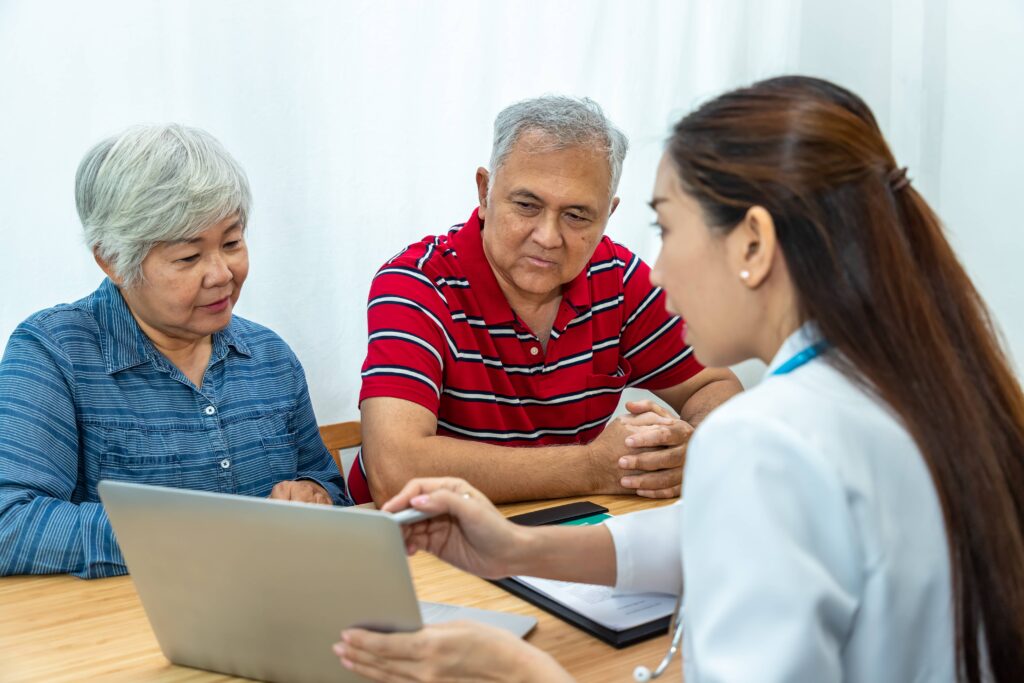
UniHealth’s Diabetes Center in Laguna offers a multi-disciplinary approach, tailored to each patient’s needs.
Diabetes Education Program
We believe knowledge is power. Our education program covers:
- Disease basics
- How to monitor blood sugar
- Lifestyle management
- Avoiding complications
Local residents from Biñan to Santa Rosa benefit from our structured sessions led by certified diabetes educators.
Personalized Diet Counseling
Our Diet Counseling service offers:
- Meal planning for different lifestyles
- Portion control
- Culturally appropriate Filipino diet tips
This ensures better blood sugar control without sacrificing flavor.
Diabetic Foot Assessment
Foot health is vital. This service includes:
- Nerve testing
- Visual inspections
- Customized footwear recommendations
Physical Fitness Guidelines for Diabetics
Not all exercises are equal when managing Type 2 diabetes. Here is what our experts recommend:
- Moderate aerobic activity (e.g., brisk walking)
- Resistance training
- Flexibility and balance workouts
Personalized plans help you stay active safely.
CBG Monitoring: Keeping Your Blood Sugar in Check
Continuous Blood Glucose Monitoring (CBG) is a game-changer. We help patients:
- Understand glucose patterns
- Avoid dangerous highs/lows
- Adjust medication and diet accordingly
Insulin Therapy: What You Need to Know
Insulin isn’t just for Type 1 diabetics. Insulin therapy is often recommended for Type 2 diabetes patients when insulin resistance has progressed significantly, and the body can no longer compensate on its own. We guide patients on:
- Different insulin types
- Injection techniques
- Storage and travel tips
Why Choose UniHealth Southwoods Hospital?
Dedicated Diabetes Center in Laguna
We offer a comprehensive Diabetes Center in Southwoods, Biñan City, Laguna—convenient, accessible, and fully equipped.
Diabetes Education and Counseling Services
Our programs teach you everything you need to know—because knowledge is power when managing Type 2 diabetes.
Expert Endocrinologists in Laguna
Looking for a trusted endocrinologist near Biñan? Our team of specialists ensures you get the expert attention you deserve.
Integrated Services and Advanced Care
We don’t just treat Type 2 diabetes—we help you live well with it. From diagnostics to rehabilitation, everything is under one roof at USHMC.
Conclusion
Type 2 diabetes might be common, but it doesn’t have to control your life. With the right support system, personalized care, and expert medical guidance, managing diabetes and addressing insulin resistance becomes a journey you don’t have to walk alone.
Our Diabetes Center is more than just a clinic—it’s a partner in your long-term wellness. Don’t wait for symptoms to get worse. Book your diabetes assessment today.
Unihealth Southwoods Hospital and Medical Center
Lot 3 Blk 11 Southwoods Ecocentrum Business Park, Brgy. San Francisco, Biñan City, Laguna
Trunkline: (02) 8898-9700 | (02) 8861-6386 | (02) 8775-2861
Email: ushmc.customerservice@gmail.com
Facebook: @UnihealthSouthwoods | Instagram: @unihealth_southwoods
Important Reminder: This guide is for general educational purposes only and does not constitute medical advice. DO NOT self-diagnose. For proper diagnosis and treatment of dengue, please consult a licensed physician.
Frequently Asked Questions
1. What are the early signs of diabetes I should watch for?
Look for fatigue, frequent urination, increased thirst, and unexplained weight loss.
2. Does UniHealth offer support for gestational diabetes?
Yes, our team provides specialized maternal care integrated with diabetes monitoring.
3. How does continuous glucose monitoring work?
CGM tracks glucose levels throughout the day, helping detect patterns and reduce dangerous spikes.
4. Is diabetes reversible?
While not curable, Type 2 diabetes can be managed and even put into remission through lifestyle changes.
5. Can I consult an endocrinologist at UniHealth Southwoods Hospital?
Absolutely. Our team includes expert endocrinologists specializing in diabetes care.
Reference:
World Health Organization. (2024, November 14). Diabetes. World Health Organization.