


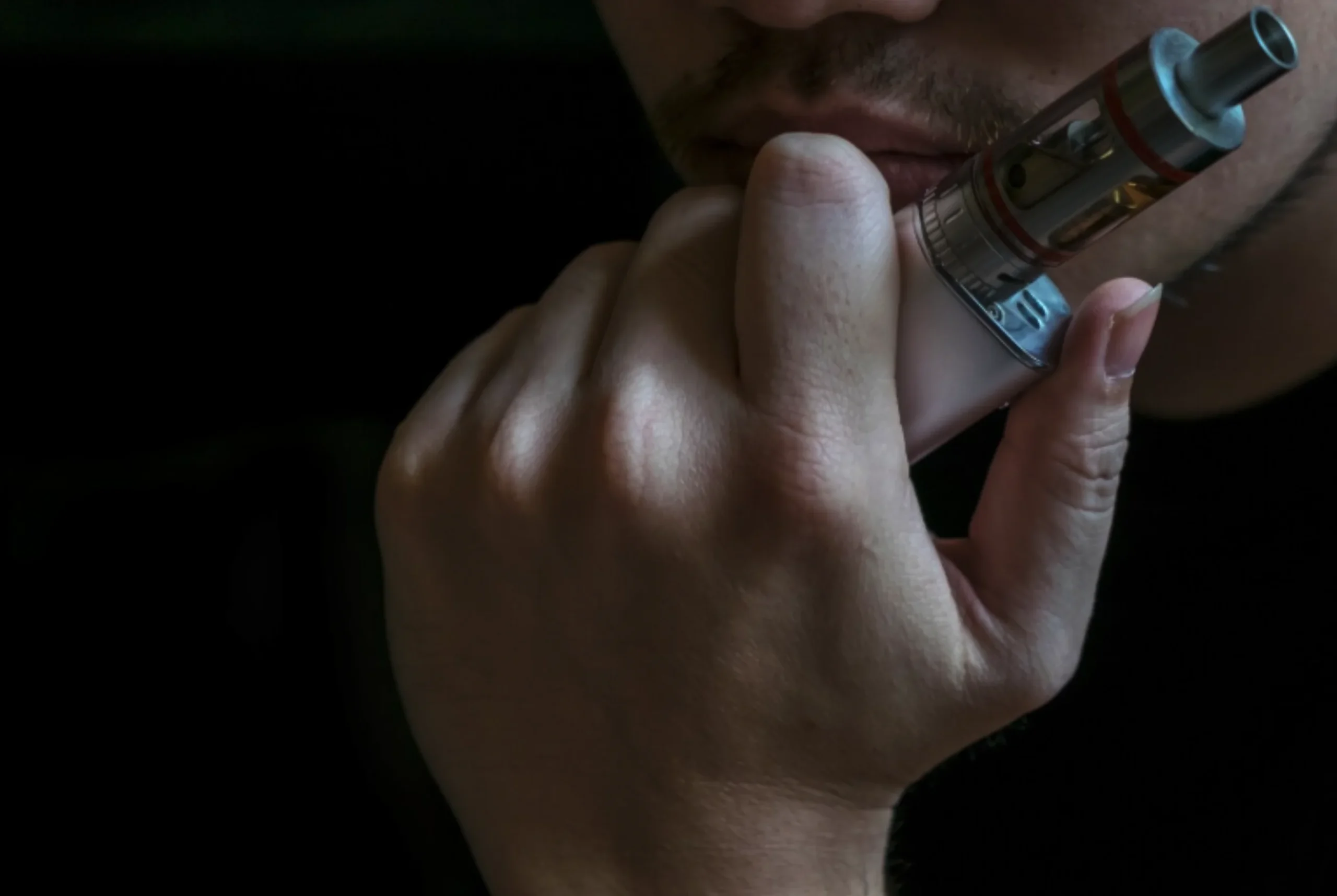
Every August, National Lung Month reminds Filipinos to pause and check in on one of the most important organs in the body, the lungs. It is also the perfect time to talk about a habit that has quietly taken over across the country, vaping. What used to be marketed as a trendy alternative to cigarettes has grown into a genuine public health concern, especially among the youth. If you have ever wondered whether that sweet smelling vapor is really as harmless as it looks, this article is for you.
At Unihealth Southwoods Hospital and Medical Center in Biñan City, Laguna, we believe that awareness is the first step toward prevention. In this blog, we will walk you through what vaping really is, how it compares to smoking, the health risks it carries, and the steps you can take to protect your lungs and your overall wellbeing.
What Is Vaping?
Vaping is the act of inhaling and exhaling aerosol, often called vapor, that is produced by an electronic device known as a vape or e-cigarette. Unlike traditional cigarettes that burn tobacco, a vape heats a liquid, commonly called e-liquid or vape juice, until it turns into an inhalable mist. This liquid usually contains nicotine, flavorings, and other chemicals such as propylene glycol and vegetable glycerin.
Vape devices come in different shapes and sizes. Some look like pens or USB drives, while others are bulkier box mods with refillable tanks. Regardless of the design, the basic mechanism stays the same, a battery heats a coil, the coil vaporizes the liquid, and the user inhales the resulting aerosol straight into the lungs.
Many people assume that because vape produces vapor instead of smoke, it must be a gentler habit. Unfortunately, this assumption has led many Filipinos, especially teens and young adults, to pick up vaping without fully understanding what they are exposing their lungs to.
Vape vs Smoking: What Is the Difference?
The most obvious difference between vaping and smoking traditional cigarettes lies in the process. Cigarettes burn tobacco leaves, releasing smoke filled with tar and thousands of harmful chemicals. Vape devices, on the other hand, do not involve combustion. Instead, they heat liquid into an aerosol.
Because there is no burning tobacco, vape produces less tar and fewer of the byproducts associated with combustion, such as carbon monoxide. This is often the main argument used to promote vaping as a supposedly cleaner option. However, when we talk about vaping vs smoking, it is important to remember that fewer harmful chemicals do not mean zero harmful chemicals.
Both vape aerosol and cigarette smoke deliver nicotine, an addictive substance that affects the brain, heart, and lungs. Both also introduce foreign particles into the respiratory system. The delivery method may differ, but the underlying risk to lung health remains present in both habits.
Is Vaping Safer Than Smoking Cigarettes?
Is vape safe compared to cigarettes. This is one of the most common questions our pulmonary specialists hear from patients. The honest answer is that vape is not a safe alternative, it is simply a different one. While some studies suggest that vape may expose users to fewer toxic chemicals than combustible cigarettes, this does not mean vape is safe for the lungs or the body as a whole.
Health experts and medical organizations worldwide continue to caution the public that there is still no long term data proving vape is a healthy or risk free habit. In fact, many of the chemicals found in vape liquid, including certain flavoring agents, have been linked to serious lung conditions when inhaled repeatedly over time. So, when someone asks if a vape is safe, the more accurate response is that the vape carries its own distinct set of health risks and calling it the lesser evil does not make it a safe choice.
Health Risks and Side Effects of Vaping
Understanding the side effects of vaping is essential, especially for young Filipinos who may be trying vape for the first time out of curiosity or peer pressure. The dangers of vaping range from immediate, noticeable symptoms to long term complications that may take years to fully surface.
Some of the most reported side effects of vaping include the following.
- Persistent coughing and throat irritation from repeated exposure to hot aerosol and chemical flavorings (patuloy na pag-ubo at pangangati ng lalamunan)
- Shortness of breath, which can happen even during light physical activity (kinakapos na paghinga)
- Chest tightness or discomfort, often mistaken for stress or fatigue (paninikip ng dibdib)
- Dry mouth and throat caused by the chemicals used in vape liquid (panunuyo ng bibig at lalamunan)
- Headaches and dizziness linked to nicotine intake (pananakit ng ulo at pagkahilo)
- Increased heart rate and elevated blood pressure due to nicotine stimulating the cardiovascular system (pagbilis ng tibok ng puso at pagtaas ng presyon ng dugo)
- Weakened immune response, making the lungs more vulnerable to infections (panghihina ng resistensya)
Beyond these immediate side effects of vaping, long term use has been associated with more serious lung disease. Reports of vaping associated lung injury, sometimes referred to internationally as EVALI, have alarmed health authorities because the condition can cause severe inflammation and damage to lung tissue. Chronic vape use has also been linked to conditions such as bronchitis, reduced lung function, and in some documented cases, irreversible scarring of lung tissue.
The dangers of vaping are not limited to the lungs either. Nicotine exposure affects brain development, particularly in younger users whose brains are still maturing until their mid-twenties. This can affect memory, attention span, and impulse control.
What Happens to Your Lungs When You Vape?
To understand how vape affects the lungs, it helps to picture what happens inside the body each time someone inhales aerosol. The lungs are lined with delicate tissue and tiny air sacs called alveoli, which are responsible for exchanging oxygen and carbon dioxide. When vape aerosol enters the lungs, it carries fine particles, nicotine, and various chemical compounds that settle onto this sensitive lining.
Over time, repeated exposure can inflame and irritate the airways. This inflammation may lead to a persistent cough, wheezing, and reduced lung capacity. In more severe cases, the alveoli themselves become damaged, limiting how efficiently oxygen reaches the bloodstream. This is part of why vape related lung disease can feel like a slow, creeping issue rather than a sudden illness, symptoms often build gradually before becoming impossible to ignore.
Can vape use cause permanent lung damage. The honest answer is yes, it can. While not every user will experience severe complications, doctors have documented cases where chronic vape use led to lasting scarring and reduced lung function that did not fully reverse even after quitting. This is why early detection through proper imaging and pulmonary testing matters so much. At Unihealth Southwoods, our radiology department offers advanced imaging services that can help detect early signs of lung damage, giving patients a clearer picture of their lung health and a head start on treatment if needed.
Learn more about our Radiology Department here https://unihealthsouthwoodshospital.com/radiology-department/
Is Vaping Harmful Even Without Nicotine?
Many vape users switch to nicotine free vape juice thinking this makes the habit completely safe. Unfortunately, this is a common misconception. Even without nicotine, vape aerosol still contains chemical flavorings, propylene glycol, vegetable glycerin, and heavy metals that can leach from the device’s heating coil.
Studies have found that inhaling these substances, even without nicotine, can still irritate the lungs and airways. Some flavoring chemicals, when heated and inhaled, have been linked to a serious condition called popcorn lung, which causes scarring in the small airways of the lungs. So, while nicotine free vape may reduce the risk of addiction, it does not eliminate the dangers of vaping to your respiratory system.
Vape Law in the Philippines
When we talk about vape, Philippines health authorities have raised repeated concerns over its growing popularity among the youth. In response to these concerns, the country has taken steps to regulate vape use through the Vaporized Nicotine and Non-Nicotine Products Regulation Act, more widely known as the vape law. This law sets clear rules on where vape products can be sold, how they should be marketed, and who is legally allowed to purchase them.
Under current vape law, the minimum age to purchase or use vape products is 18 years old, with strict penalties for retailers who sell to minors. The law also regulates flavor descriptions and packaging to reduce the appeal of vape products to younger audiences, along with restrictions on where vape use is allowed in public spaces.
While vape law aims to protect public health, especially among minors, it is ultimately up to individuals and families to make informed choices about vape use. Being aware of these regulations is a good starting point, but understanding the actual health risks remains the strongest reason to avoid or quit vaping altogether.
How Can I Quit Vaping Successfully?
Quitting vape, like quitting any nicotine habit, can be challenging, but it is absolutely achievable with the right support and mindset. Here are some steps that can help.
- Set a clear quit date and mentally prepare for the transition instead of quitting on impulse
- Identify your triggers, whether it is stress, social situations, or habit, and plan alternative responses in advance
- Seek support from family, friends, or a support group who can help keep you accountable
- Consult a doctor about nicotine replacement options or medications that can ease withdrawal symptoms
- Replace the habit with healthier activities such as exercise, deep breathing, or a new hobby to occupy your hands and mind
- Track your progress and celebrate small milestones to stay motivated throughout the process
If you have tried quitting vape on your own without success, do not be discouraged. Nicotine addiction is powerful, and many people need professional guidance to fully quit. Speaking with a lung doctor or a pulmonary specialist can make a significant difference, especially if you are already experiencing side effects of vaping or symptoms of lung disease.
How Unihealth Southwoods Can Help
Whether you are currently struggling with a vape habit, experiencing worrying symptoms, or simply want to have your lungs checked as a precaution, Unihealth Southwoods Hospital and Medical Center is ready to support you every step of the way.
Our pulmonary services are staffed by experienced lung doctor specialists who can evaluate your respiratory health, diagnose vape related complications, and create a personalized treatment plan suited to your needs. If you have been experiencing persistent coughing, shortness of breath, or chest discomfort after vape use, our pulmonary team can evaluate your lung health and guide your treatment plan.
Learn more about our Pulmonary Services in Laguna here https://unihealthsouthwoodshospital.com/pulmonary-services/
For patients who need imaging to check for lung damage, our radiology department provides advanced diagnostic tools that allow our doctors to closely examine lung tissue and detect abnormalities early. Early detection plays a huge role in preventing minor lung irritation from progressing into more serious lung disease.
Learn more about our Radiology Services here https://unihealthsouthwoodshospital.com/radiology-department/
If you are unsure where to start, our outpatient department, more commonly known as OPD, offers a convenient way to consult with our physicians without the need for hospital admission. Our OPD team can assess your symptoms, refer you to the appropriate specialist, and guide you through the next steps of your care journey.
Learn more about our Outpatient Department here https://unihealthsouthwoodshospital.com/outpatient-department/
Our laboratory also plays a key role in the process, offering comprehensive testing that helps our doctors assess your overall health and rule out other conditions that may be contributing to your symptoms. From blood work to other diagnostic tests, our laboratory ensures that every diagnosis is backed by accurate, reliable results.
Learn more about our Laboratory here https://unihealthsouthwoodshospital.com/laboratory/
Maintaining healthy lungs is a lifelong commitment, and our team at Unihealth Southwoods is honored to walk alongside our patients and their families throughout that journey, whether you are quitting vape, managing an existing lung condition, or simply prioritizing preventive care.
A Gentle Reminder This National Lung Month
This National Lung Month, let this be a gentle reminder to take your lung health seriously. Whether you are personally trying to quit vape, worried about a loved one, or simply want peace of mind, Unihealth Southwoods Hospital and Medical Center is here for you. Our pulmonary services, radiology department, laboratory, and OPD work together to give you thorough, compassionate care every step of the way.
Do not wait for symptoms to worsen before seeking help. Reach out to us today and take the first step toward healthy lungs and a healthier you.
Unihealth Southwoods Hospital and Medical Center
Lot 3 Blk 11 Southwoods Ecocentrum Business Park, Brgy. San Francisco, Biñan City, Laguna
Trunkline: (02) 8898-9700 | (02) 8861-6386 | (02) 8775-2861
Email: ushmc.customerservice@gmail.com
Facebook: @UnihealthSouthwoods | Instagram: @unihealth_southwoods
Important Reminder: This guide is for general educational purposes only and does not constitute medical advice. DO NOT self-diagnose. For proper diagnosis and treatment of dengue, please consult a licensed physician.
Frequently Asked Questions
What ingredients are typically found in vape liquid aside from nicotine and flavorings?
Vape liquid commonly contains propylene glycol and vegetable glycerin as base ingredients. Some products also contain trace amounts of heavy metals from device coils and other chemical additives used to enhance flavor, which can pose additional risks when heated and inhaled repeatedly over time.
Can secondhand vape aerosol affect people nearby?
Yes. While vape aerosol dissipates faster than cigarette smoke, it still contains nicotine, chemicals, and fine particles that bystanders can inhale. This is especially concerning for children, pregnant individuals, and people with existing respiratory conditions who are more sensitive to airborne irritants.
At what age do lung related symptoms from vaping typically appear?
There is no fixed timeline since it depends on frequency of use and individual health. Some users report symptoms like coughing or shortness of breath within months, while others may not notice issues until years later, which is why regular checkups are valuable.
Does vaping affect athletic performance?
Yes. Vape use can reduce lung capacity and oxygen efficiency, making physical activities more tiring. Athletes who vape often report quicker fatigue, shorter endurance, and slower recovery times compared to their non vaping peers, largely due to reduced respiratory function.
Are certain vape flavors more harmful than others?
Some flavoring chemicals, particularly those used to mimic buttery or creamy tastes, have been linked to more severe respiratory irritation. However, all vape flavors involve inhaling chemical compounds, so no flavor can be considered entirely risk free for lung health.
Can vape use worsen asthma or other existing respiratory conditions?
Yes. For individuals with asthma or similar conditions, vape aerosol can trigger inflammation, tighten airways, and increase the frequency of flare ups. Anyone with a preexisting respiratory condition should avoid vape use entirely and consult a specialist for guidance.