


Digestive & Gastrointestinal Conditions
- Home
- Digestive & Gastrointestinal Conditions
Digestive and gastrointestinal conditions affect the organs responsible for breaking down food, absorbing nutrients, and eliminating waste. These include the esophagus, stomach, small and large intestines, liver, gallbladder, and pancreas. Problems affecting the digestive system can cause symptoms such as abdominal pain, bloating, heartburn, nausea, vomiting, diarrhea, and constipation.
Some digestive problems are temporary, while others may persist or indicate an underlying medical condition that requires assessment. For patients in Biñan City, Laguna, and nearby communities such as Santa Rosa and San Pedro, recognizing persistent digestive symptoms can help determine when to seek medical advice, undergo diagnostic testing, or consult an appropriate specialist. UniHealth Southwoods Hospital provides a point of contact for patients seeking information about available medical services and appropriate evaluation.
Common Symptoms and Warning Signs
Digestive conditions can present with different symptoms depending on the affected organ and the underlying cause. Some symptoms may develop after meals or certain foods, while others may occur repeatedly, worsen over time, or interfere with daily activities. Recognizing these symptoms can help patients determine when medical evaluation may be appropriate.
- Common symptoms of digestive and gastrointestinal conditions include:
- Abdominal pain or discomfort (pananakit ng tiyan), including cramping or pain in the upper or lower abdomen.
- Heartburn or acid reflux (pakiramdam na umaakyat ang asido sa lalamunan), which may cause a burning sensation in the chest or sour-tasting fluid in the mouth.
- Bloating and excessive gas (kabag o paglobo ng tiyan), involving abdominal fullness, pressure, or increased gas.
- Nausea and vomiting (pagduduwal at pagsusuka), which may occur with infections, digestive irritation, or other conditions.
- Diarrhea (pagtatae), characterized by frequent loose or watery stools.
- Constipation (pagtitibi), involving infrequent bowel movements, hard stools, or difficulty passing stool.
- Indigestion (hindi natutunawan), which may involve upper abdominal discomfort, fullness, or burning after eating.
- Difficulty swallowing (hirap sa paglunok), including the sensation that food is sticking in the throat or chest.
- Changes in bowel habits, such as persistent changes in stool frequency, consistency, or appearance.
- Unexplained weight loss or reduced appetite (hindi maipaliwanag na pagbaba ng timbang o kawalan ng gana sa pagkain).

When Digestive Symptoms May Indicate a More Serious Problem
Occasional indigestion or mild abdominal discomfort may resolve without extensive treatment. However, symptoms that recur frequently, persist, worsen, or interfere with eating and daily activities should be assessed by a healthcare professional. Persistent changes in bowel habits, difficulty swallowing, or unexplained weight loss also warrant medical evaluation.
- Seek emergency medical care for warning signs such as:
- Severe, sudden, or rapidly worsening abdominal pain.
- Vomiting blood or material that resembles coffee grounds.
- Bloody stools or black, tarry stools, particularly when accompanied by weakness or dizziness.
- Persistent vomiting with signs of dehydration or inability to keep fluids down.
- Abdominal swelling accompanied by severe pain, vomiting, or inability to pass stool or gas.
- Fainting, confusion, or other signs of significant blood loss or severe illness.
These symptoms can indicate a serious condition requiring urgent assessment. Patients should not delay emergency care while waiting for a routine consultation.

Common Digestive & Gastrointestinal Conditions
Digestive symptoms can arise from a range of conditions, from acid-related disorders to infections and chronic intestinal diseases. Some conditions cause occasional discomfort, while others may require ongoing monitoring or specialist care. Medical assessment can help distinguish between conditions with similar symptoms and determine whether additional testing is needed.
Gastroesophageal Reflux Disease (GERD)
Gastroesophageal reflux disease occurs when stomach contents repeatedly flow back into the esophagus, causing symptoms such as heartburn, regurgitation, and discomfort after meals. Persistent symptoms may require medical assessment and management.
Gastritis
Gastritis refers to inflammation of the stomach lining. It may cause upper abdominal discomfort, nausea, or indigestion and can be associated with Helicobacter pylori infection, certain medications, and other factors.
Peptic Ulcer Disease
Peptic ulcers are open sores that develop in the lining of the stomach or the first part of the small intestine. Common causes include H. pylori infection and the use of certain anti-inflammatory medications. Complications may include gastrointestinal bleeding.
Irritable Bowel Syndrome (IBS)
IBS is a disorder involving the interaction between the gut and nervous system. It may cause recurring abdominal pain, bloating, diarrhea, constipation, or alternating bowel patterns. Its symptoms can overlap with other digestive conditions, so appropriate assessment is important.
Inflammatory Bowel Disease (IBD)
IBD includes chronic inflammatory conditions such as Crohn’s disease and ulcerative colitis. Symptoms may include persistent diarrhea, abdominal pain, rectal bleeding, fatigue, and unintended weight loss. These conditions require medical evaluation and may need long-term management.
Gallstones and Gallbladder Conditions
Gallstones are hardened deposits that form in the gallbladder. They may cause no symptoms or trigger pain in the upper right abdomen, particularly after meals. Complications can occur if a stone blocks the bile ducts.
Fatty Liver Disease
Fatty liver disease involves excess fat accumulation in the liver and may occur alongside metabolic conditions or other contributing factors. It often causes few noticeable symptoms in its early stages and may be identified through blood tests or imaging.
Gastroenteritis
Gastroenteritis is inflammation of the stomach and intestines, often caused by an infection. It commonly produces diarrhea, vomiting, abdominal cramps, and sometimes fever. Dehydration is an important potential complication, particularly when symptoms are severe or prolonged.
Risk Factors
The risk of developing digestive and gastrointestinal conditions varies depending on the specific disorder. Some conditions are associated with infections or medication use, while others may be influenced by dietary habits, family history, lifestyle, or underlying medical conditions.
- Common risk factors include:
- Dietary habits: Certain foods and eating patterns may trigger or aggravate reflux and digestive discomfort in susceptible individuals.
- Infections: Bacteria such as H. pylori, along with gastrointestinal viruses and parasites, can contribute to specific digestive conditions.
- Medication use: Certain medications, particularly nonsteroidal anti-inflammatory drugs (NSAIDs), can increase the risk of stomach irritation or ulcers.
- Smoking and alcohol use: These may contribute to or aggravate certain digestive disorders.
- Family history: Some gastrointestinal conditions, including inflammatory bowel disease and certain cancers, have familial or genetic risk factors.
- Metabolic conditions: Obesity, diabetes, and related metabolic factors are associated with some liver and digestive disorders.
- Age: The likelihood of certain digestive conditions increases with age.
- Chronic stress and sleep disruption: These may influence digestive symptoms and gut-brain interactions, particularly in some functional gastrointestinal disorders.
Having one or more risk factors does not necessarily mean a person will develop a digestive disease. Patients experiencing persistent symptoms should seek assessment based on their symptoms, medical history, and other clinical findings.
Diagnosis & Evaluation
The evaluation of digestive symptoms begins with a review of the patient’s medical history, symptoms, medications, and physical examination. Depending on the suspected condition, a doctor may recommend laboratory testing, diagnostic imaging, or specialized procedures to determine the underlying cause.
- Possible diagnostic tests and procedures include:
- Blood tests: May help assess anemia, inflammation, liver function, pancreatic enzymes, or other abnormalities.
- Stool tests: May be used to investigate gastrointestinal infections, bleeding, inflammation, or other concerns.
- Abdominal ultrasound: Can help evaluate organs such as the liver, gallbladder, and bile ducts.
- CT scan: May be recommended to investigate certain causes of abdominal pain or suspected complications.
- Upper gastrointestinal endoscopy: Allows a specialist to examine the esophagus, stomach, and upper small intestine when indicated.
- Colonoscopy: May be used to investigate persistent bowel symptoms, bleeding, inflammatory conditions, or colorectal screening needs.
- Tests for H. pylori: May help identify an infection associated with gastritis and peptic ulcer disease.
- Other specialized investigations: May be recommended according to the symptoms and suspected diagnosis.
Not every patient needs every test. The appropriate evaluation depends on the clinical assessment and the services available at the hospital.
Related service links: Laboratory Services; Radiology and Diagnostic Imaging

When Should You See a Doctor?
Schedule a consultation if you experience recurring abdominal pain, frequent heartburn, persistent bloating, repeated episodes of diarrhea or constipation, or changes in your bowel habits. You should also seek medical assessment for difficulty swallowing, unexplained weight loss, reduced appetite, or symptoms that continue despite initial measures.
Patients in Biñan City and nearby Laguna communities, including Santa Rosa, San Pedro, Cabuyao, and Calamba, may seek an appropriate medical consultation based on their symptoms and healthcare needs. A gastroenterologist may be appropriate when symptoms persist, recur frequently, or suggest a condition affecting the esophagus, stomach, intestines, liver, gallbladder, or pancreas.
Seek emergency care for severe or sudden abdominal pain, vomiting blood, significant gastrointestinal bleeding, persistent vomiting with dehydration, or other severe symptoms described above. These symptoms may require immediate medical attention rather than a routine outpatient appointment.
Related Services at UniHealth Southwoods
Patients looking for digestive health services in Biñan, Laguna, may require specialist assessment, laboratory investigations, or diagnostic imaging depending on their symptoms. The following services are relevant to digestive and gastrointestinal evaluation, subject to confirmation of current hospital capabilities.
Gastroenterology
Gastroentorology specialist evaluates digestive symptoms and conditions affecting the gastrointestinal tract, with further assessment and management recommendations as indicated. To help assess patients who seek further evaluation, Unihealth Southwoods provides dedicated gastroentorology specialist to evaluate and treat digestive and gastrointestinal conditions
Laboratory Services
Blood and other laboratory investigations that may support the assessment of infection, inflammation, anemia, liver function, and related concerns. To help assess patients who seek further evaluation, Unihealth Southwoods provides dedicated laboratory services to help Doctors assess proper treatment and medications.
Radiology and Diagnostic Imaging
A cardiologist will provide consultation and evaluation for conditions that may be affecting your heart and cardiovascular system.
Emergency Services
Urgent assessment for severe abdominal pain, gastrointestinal bleeding, persistent vomiting with dehydration, and other potentially serious symptoms.
Related Health Articles
Managing healthcare treatments can be stressful. Explore these UniHealth Southwoods resources to learn more about PhilHealth benefits and HMO coverage:

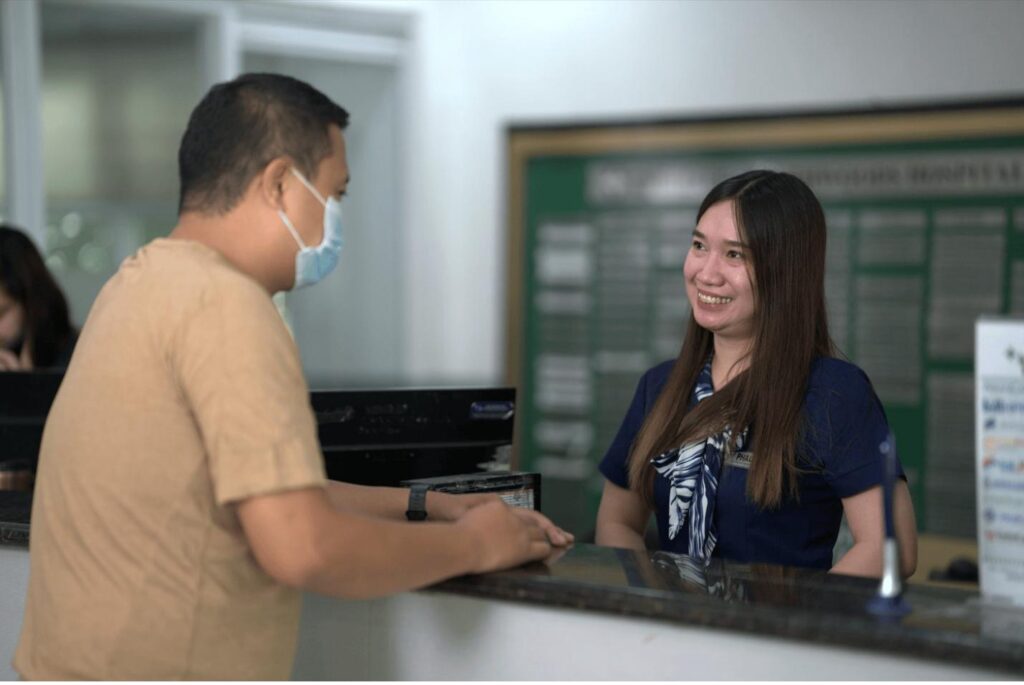
Get Help for Persistent Digestive Symptoms
Recurring stomach pain, frequent acid reflux, and persistent changes in bowel habits may require medical evaluation. Patients in Biñan City and nearby Laguna communities can contact UniHealth Southwoods Hospital to inquire about appropriate consultations and available diagnostic services.