


Respiratory Conditions
- Home
- Respiratory Conditions
The respiratory system includes the airways and lungs that allow the body to take in oxygen and remove carbon dioxide. Problems affecting the respiratory system can cause symptoms such as coughing, wheezing, chest tightness, shortness of breath, or difficulty breathing. Some conditions develop gradually, while infections and other problems can cause symptoms over a short period of time.
Understanding common symptoms and conditions can help you decide whether you need routine medical assessment or urgent care.
Common Respiratory Symptoms & Warning Signs
Respiratory symptoms can have many possible causes. A cough may occur with an infection, asthma, allergies, or chronic lung condition. Difficulty breathing can also have different causes, including problems affecting the lungs, airways, heart, or other parts of the body.
- Common symptoms that may indicate a respiratory problem include:
- Persistent or recurring cough
- Shortness of breath or difficulty breathing
- Wheezing
- Chest tightness
- Chest discomfort associated with breathing or coughing
- Coughing up phlegm or blood
- Frequent respiratory infections
- Fever accompanied by cough or breathing symptoms
- Unusual tiredness or reduced ability to tolerate physical activity
- Bluish or grayish lips or skin, particularly with severe breathing problems
The pattern of symptoms can provide useful information. For example, wheezing and recurring episodes of difficulty breathing may occur with asthma, while a persistent cough and breathlessness can occur with chronic obstructive pulmonary disease (COPD). Respiratory infections can cause cough, fever, congestion, sore throat, and other symptoms depending on the infection and the part of the respiratory system affected.
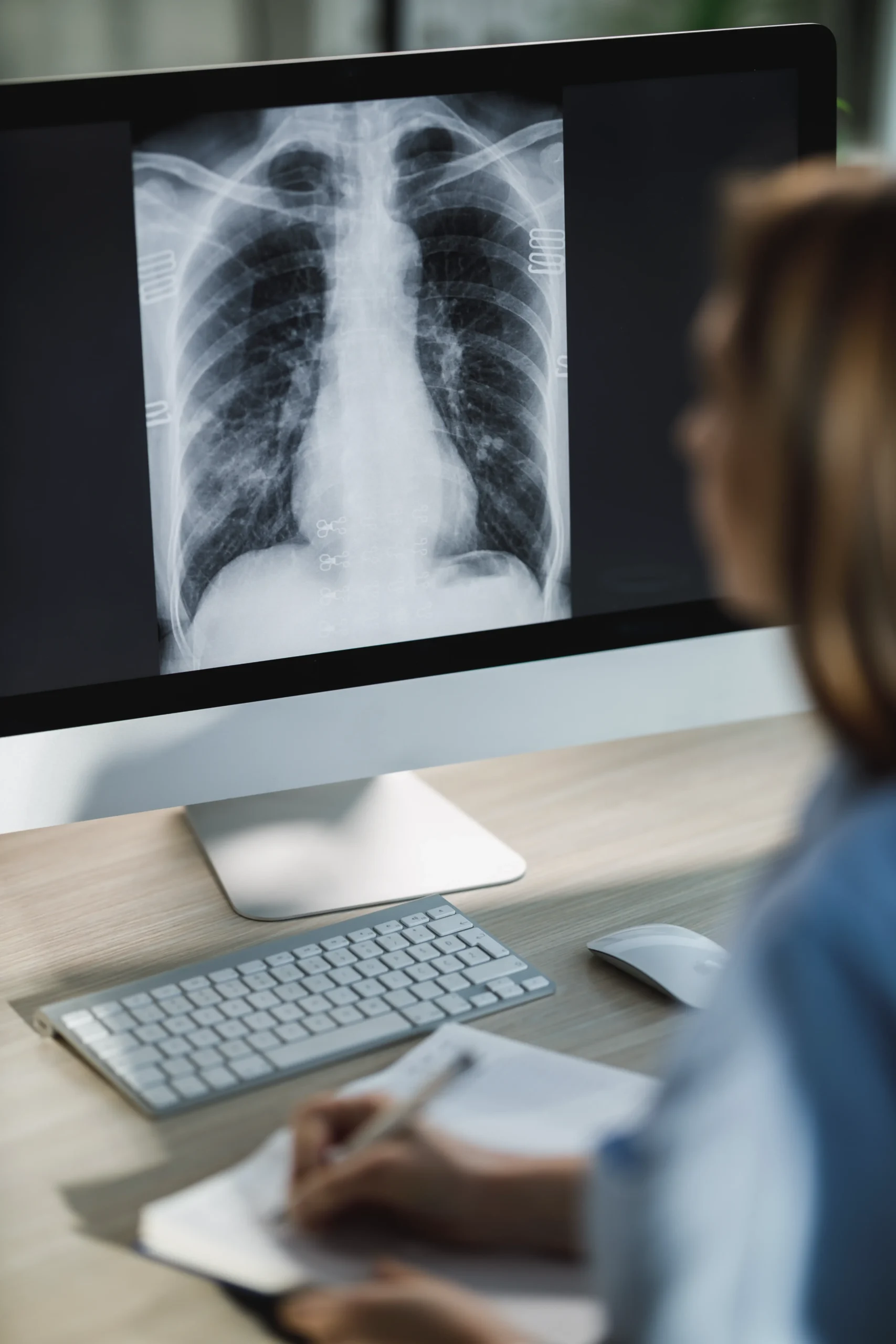
When Difficulty Breathing Is an Emergency
Severe or sudden difficulty breathing requires immediate medical attention. Seek emergency care if breathing becomes extremely difficult, if symptoms develop rapidly, or if breathing problems occur with severe chest pain, fainting, confusion, bluish or grayish lips or skin, or other signs of serious illness.
Do not wait for a routine lung consultation when symptoms are severe or rapidly worsening.
Common Respiratory Conditions
Respiratory diseases can affect the upper airways, lower airways, lungs, or the structures involved in breathing. Some are caused by infections, while others are associated with inflammation, allergies, smoking, air pollution, occupational exposure, or long-term changes in lung function.
Asthma
Asthma is a chronic condition in which inflammation and narrowing of the airways can cause episodes of wheezing, coughing, chest tightness, and difficulty breathing. Symptoms can vary over time and may be triggered by factors such as smoke, air pollution, allergens, respiratory infections, exercise, or changes in weather.
Chronic Obstructive Pulmonary Disease (COPD)
COPD is a chronic lung disease that causes persistent respiratory symptoms and airflow limitation. Common symptoms include difficulty breathing, chronic cough, and phlegm. Tobacco smoke, air pollution, and occupational exposure to dusts or chemicals can contribute to respiratory disease risk.
Pneumonia
Pneumonia is a lung infection that can cause cough, fever, difficulty breathing, and other symptoms. It can be caused by different infectious organisms and may range from mild illness to a serious condition requiring hospital care.
Related: When Your Lungs Are Asking for Help: A Guide to Pneumonia, Treatment, and Recovery in Biñan, Laguna
Tuberculosis
Tuberculosis (TB) is an infectious disease that most commonly affects the lungs. Pulmonary TB may cause a persistent cough, chest pain, weakness, weight loss, fever, or night sweats. Symptoms and treatment depend on the type of TB and whether other parts of the body are affected.
Upper Respiratory Tract Infections
Upper respiratory tract infections affect areas such as the nose, sinuses, throat, and upper airways. Symptoms may include a runny or blocked nose, sore throat, cough, sneezing, and fever.
Other Lung Diseases
Other conditions can affect the respiratory system, including respiratory allergies, occupational lung diseases, pulmonary hypertension, and other disorders affecting the airways or lung tissue. Some conditions are chronic and require long-term monitoring and treatment.
Respiratory Risk Factors
Several factors can affect the health of the respiratory system and increase the risk of respiratory diseases. Some risks can be reduced, while others are related to a person’s age, family history, occupation, or existing health conditions.
- Here are some important respiratory risk factors include:
- Smoking and exposure to tobacco smoke
- Air pollution
- Workplace exposure to dust, chemicals, fumes, or other irritants
- Allergens and environmental irritants
- Repeated respiratory infections
- Family history of certain respiratory conditions
- Certain childhood respiratory conditions
- Other chronic health conditions
Tobacco smoke and air pollution are important risk factors for chronic respiratory diseases. Occupational exposure to dust and chemicals can also contribute to lung disease.
How to Take Care of Your Respiratory System
Taking care of your respiratory system starts with reducing exposure to substances that can damage or irritate the lungs and airways. Avoid smoking and secondhand smoke, follow workplace safety measures when exposed to dust or chemicals, and reduce exposure to polluted air as much as possible.
People with asthma, COPD, or another chronic respiratory condition should follow their prescribed treatment plan and attend to recommended follow-up appointments. Vaccination may also help prevent certain respiratory infections, particularly for people at increased risk.
Wearing a face mask is still relevant post-COVID-19 as it may help avoid other respiratory illnesses, limit the inhalation of air pollutants, and protect those with pre-existing respiratory conditions.
Diagnosis & Respiratory Assessment
A respiratory assessment begins with a medical consultation. Your doctor may ask about your symptoms, how long they have been present, possible triggers, history of smoking or exposure, previous respiratory illnesses, and any medicines you take. A physical examination may include listening to your lungs and checking other signs related to breathing.
- Depending on the symptoms and suspected condition, evaluation of the respiratory system may involve:
- Blood tests
- Chest or other imaging studies
- Lung function tests
- Oxygen level assessment
- Other diagnostic tests recommended by your doctor
The appropriate tests depend on your symptoms and suspected condition. For example, spirometry is an important test for assessing airflow and is used in the evaluation of COPD. Other respiratory conditions may require imaging, laboratory testing, or additional examinations.
A respiratory evaluation should be guided by a healthcare professional rather than by symptoms alone. Many respiratory symptoms overlap between different conditions, so testing may be needed to identify the cause.
For detailed information about individual diagnostic procedures, see our Pulmonary Services page.
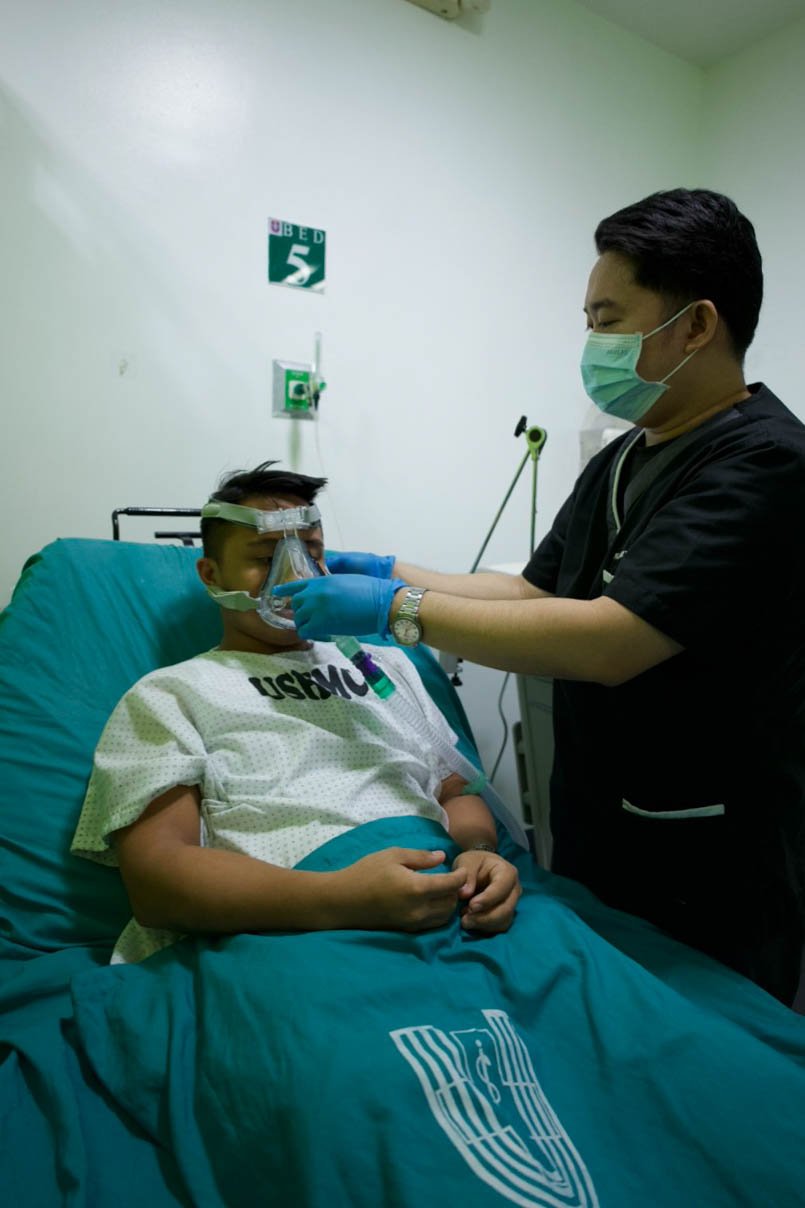
When Should You See a Doctor?
Consider a routine consultation with a pulmonologist if you have a cough that persists or keeps returning, recurring wheezing, unexplained difficulty breathing, frequent lung infections, or changes in your ability to perform normal physical activities.
You should also consider a medical evaluation if you have a known respiratory condition but notice that your symptoms are becoming more frequent or difficult to control. Chronic respiratory diseases such as asthma and COPD benefit from appropriate diagnosis, treatment, and follow-up.
A lung doctor or lung specialist is a physician who evaluates and treats conditions affecting the lungs and respiratory system. A pulmonologist may assess symptoms such as persistent cough, wheezing, difficulty breathing, recurrent respiratory infections, and other suspected lung diseases.
For non-emergency concerns, you can consult a pulmonologist and view their schedule for available appointments.
If you are searching for a pulmonologist in Laguna, Unihealth Southwoods Hospital and Medical Center provides access to Pulmonology services in Biñan, Laguna.
For severe or rapidly worsening breathing problems, seek emergency care rather than waiting for a scheduled appointment.
Respiratory Services Availableat Unihealth Southwoods
Different respiratory concerns may require different types of medical care. The following services may be involved depending on your symptoms, diagnosis, and treatment needs.
Pulmonology Consultation
The Pulmonology Consultation provides specialist evaluation for conditions affecting the lungs and respiratory system, including persistent respiratory symptoms and chronic lung diseases.
Laboratory
Our Laboratory supports respiratory evaluation through blood tests and other laboratory investigations like gas analyses and sample cultures ordered by your physician.
Radiology
The Radiology department provides imaging services such as X-ray or CT Scan that may be used to evaluate the lungs and other structures in the chest when clinically indicated.
Outpatient Department
The Outpatient Department provides access to medical consultation for respiratory concerns that do not require emergency treatment.
Emergency Services
The Emergency Services team provides immediate assessment for severe breathing problems and other urgent symptoms.
Related Health Articles
Continue exploring respiratory health information through our existing educational resources:


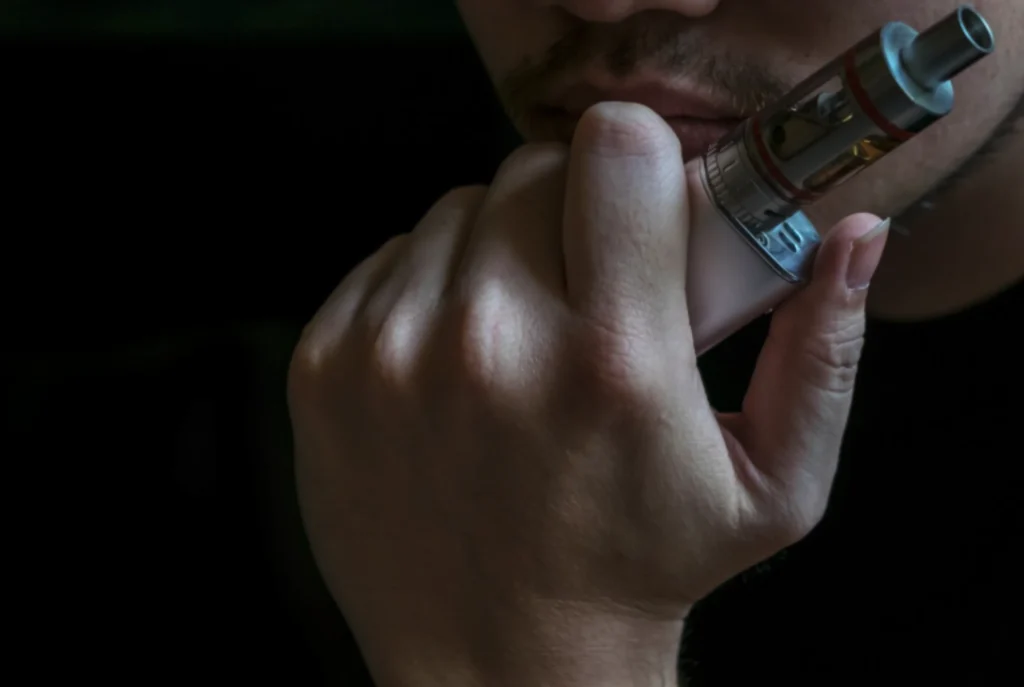
These resources can help you understand specific conditions and symptoms. They do not replace an assessment by a healthcare professional.
Take the Next Step
Persistent respiratory symptoms deserve appropriate evaluation, especially when they interfere with sleep, exercise, work, or daily activities. The right starting point may be an outpatient consultation, a respiratory assessment, or urgent medical care depending on the symptoms.