


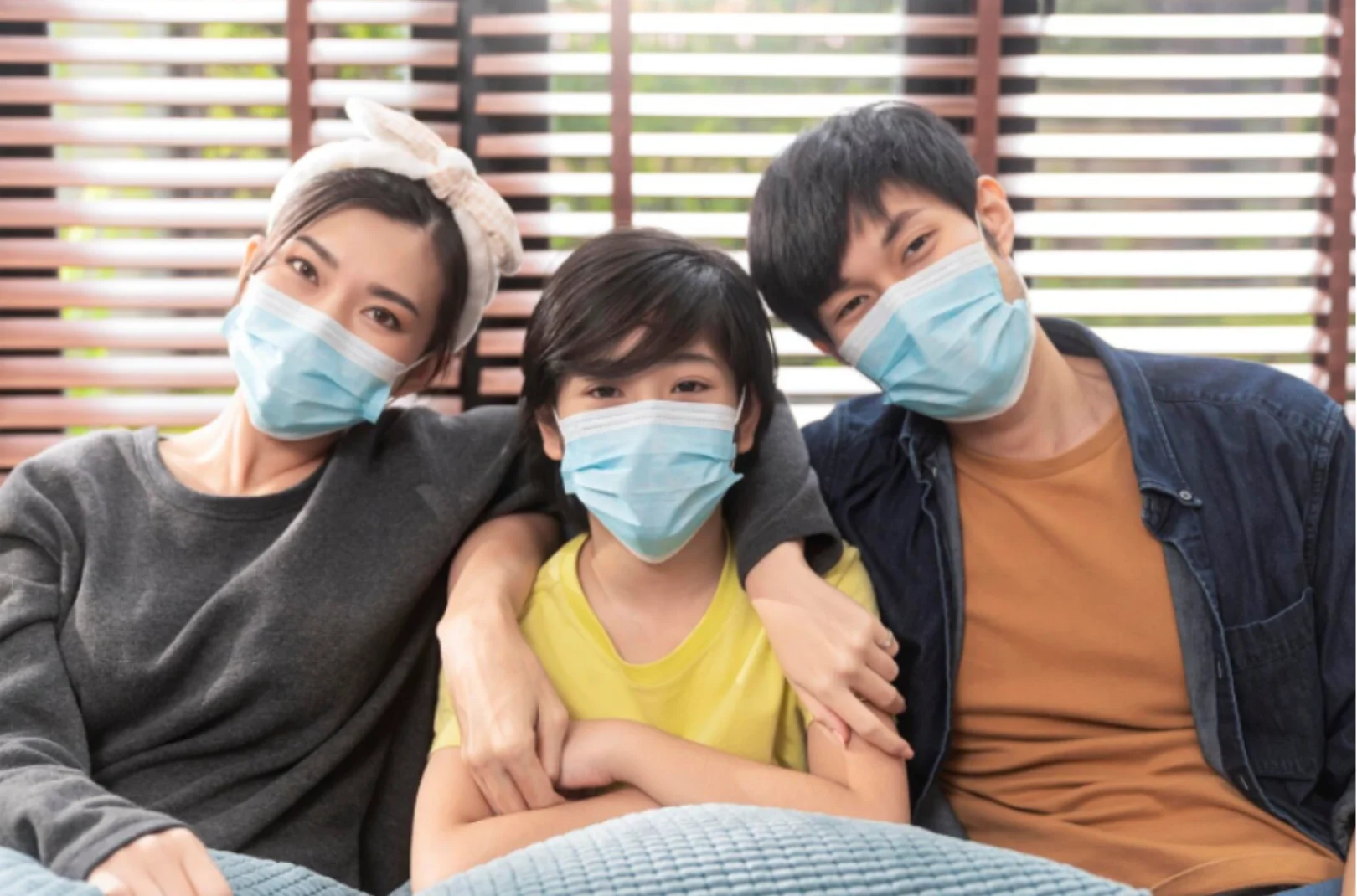
If you’ve ever heard someone in your household cough continuously for weeks and wondered whether it was really “just a cold,” you are not alone. Tuberculosis, more commonly known as TB, remains to be one of the top public health concerns in the Philippines, and here in Biñan, Laguna, families deserve clear, compassionate guidance on how to recognize tuberculosis, treat it, and recover from it. At UniHealth Southwoods Hospital and Medical Center, we understand that getting a tuberculosis diagnosis can feel overwhelming, but with the right information and the right care team, TB is a treatable and beatable disease.
This guide walks you through everything you need to know about tuberculosis, from early warning signs to the newest treatment methods, so that you and your loved ones can breathe easier, quite literally.
Why Tuberculosis Is Still a Major Health Concern in the Philippines
The Philippines has consistently ranked among the countries with the highest TB burden in the world, according to the World Health Organization. Due to the crowded living conditions, limited access to early diagnosis in some areas, and gaps in treatment completion, they all contribute to the continued spread of the disease across the Philippines. TB does not discriminate by age, income, or background. It can affect anyone who breathes air shared with someone carrying an active infection.
The great news is that tuberculosis is both preventable and curable. Awareness is the first line of defense, and understanding how TB spreads, how it appears, and how it is treated can help you protect your family and seek timely care.
What Is Tuberculosis?
Tuberculosis, also known as TB, is an infectious disease caused by the Mycobacterium tuberculosis bacteria. While it most commonly affects the lungs, the infection can also spread to other parts of the body, including the kidneys, spine, and brain. TB spreads through the air when someone with active disease coughs, sneezes, speaks, or sings, which releases tiny droplets that contain the bacteria into the air.
Not everyone who is exposed to it becomes sick right away. In fact, understanding the difference between a latent infection and active tuberculosis disease is essential to understanding how TB works in the body.
Types of Tuberculosis
There are a few types of tuberculosis, and knowing the difference can help you better understand your diagnosis. Here are some types of tuberculosis:
Pulmonary Tuberculosis
Pulmonary tuberculosis is the most common type of tuberculosis, making up most pf the cases in the Philippines. It affects the lungs directly and is the type that is most responsible for spreading the infection to others, as it produces the persistent cough that releases bacteria into the air. If you or a family member has been diagnosed with pulmonary tuberculosis, our Pulmonary Services Department is equipped to provide thorough evaluation and long-term respiratory management.
Extrapulmonary Tuberculosis
This type occurs outside the lungs, affecting organs such as the lymph nodes, bones, joints, or the central nervous system. Extrapulmonary disease is less common but can be more difficult to diagnose because its symptoms may not immediately point toward TB.
Latent TB Infection
Latent TB occurs when a person carries the bacteria in their body without showing any symptoms and without being contagious. The immune system successfully contains the bacteria in an inactive state. However, latent TB can progress into active disease later in life, especially if the immune system becomes weakened due to illness, medication, or age. This is why testing and monitoring latent TB matters, especially for those who have been in close contact with someone diagnosed with an active case.
Drug-Resistant TB
Multidrug-resistant TB develops when the bacteria become resistant to the standard first-line medications. This typically happens when a patient does not complete their full course of treatment, allowing the surviving bacteria to develop resistance. Drug-resistant TB bacteria strains require longer and more specialized treatment procedures, which is why completing your prescribed medication exactly as directed by your doctor is so important.
Tuberculosis Symptoms to Watch For
Recognizing tuberculosis symptoms early can make a significant difference in treatment outcomes and in preventing further spread within your household and community. Common tuberculosis symptoms include the following:
- Persistent cough lasting more than two to three weeks (ubo na hindi naaalis at tumatagal ng mahigit dalawang linggo)
- Coughing up blood or blood-streaked sputum (pag-ubo na may kasamang dugo o plema na may dugo)
- Chest pain, especially when breathing or coughing (pananakit ng dibdib, lalo kapag humihinga o umuubo)
- Drastic, unexplained weight loss (biglaang pagbaba ng timbang)
- Loss of appetite (pagkawala ng ganang kumain)
- Fatigue and general weakness (pagkapagod at panghihina)
- Fever, especially in the late afternoon or evening (lagnat, lalo sa hapon o gabi)
- Night sweats that soak through clothing or bedding (pagpapawis sa gabi na tumatagos sa damit o higaan)
- Chills (panlalamig)
If you or someone in your family is experiencing these tuberculosis symptoms, especially a cough that has lasted longer than three weeks, it is important to seek medical evaluation as soon as possible. Our Outpatient Department welcomes walk-in and scheduled consultations for patients who need persistent respiratory symptoms assessed by a physician.
What’s the Difference Between Pulmonary Tuberculosis vs. Pneumonia?
Many patients ask about tuberculosis vs pneumonia, since these two conditions can share overlapping symptoms such as cough, fever, and chest discomfort. However, there are important differences. Pneumonia typically develops rapidly, often within days, and is frequently caused by bacteria, viruses, or fungi that trigger an acute lung infection. Tuberculosis, on the other hand, usually develops slowly over weeks or months and is caused specifically by the TB bacterium.
Pneumonia symptoms often resolve with a shorter course of antibiotics, while TB requires a much longer treatment period, typically lasting several months. Because tuberculosis vs pneumonia can be difficult to distinguish based on symptoms alone, proper diagnostic testing, including chest imaging and laboratory analysis, is essential for an accurate diagnosis. Both are available within Unihealth Southwoods Hospital and Medical Center, making it easier to accomplish your required tests.
Is Tuberculosis Contagious?
One of the most common questions patients ask is, “is tuberculosis contagious?” The answer is yes, but with an important nuance. Active pulmonary tuberculosis spreads through airborne droplets when a person coughs, sneezes, or talks. However, TB is NOT spread through shaking hands, sharing food, sharing utensils, or touching surfaces.
It is also worth repeating that latent TB, unlike active disease, is not contagious. A person with latent TB cannot spread the infection to others because the bacteria remain inactive in their body. Understanding this distinction can help reduce unnecessary fear and stigma surrounding a tuberculosis diagnosis, which unfortunately still affects many patients and families in the Philippines.
How Long is the Tuberculosis Incubation Period?
The tuberculosis incubation period refers to the time between exposure to the bacteria and the point at which a person may develop active disease or a positive test result. Usually, it takes about two to twelve weeks after exposure for the body’s immune response to become detectable through testing. However, the incubation period for developing active disease can greatly vary. Some people develop symptoms within weeks, others may carry latent TB for years or even decades before the bacteria becomes active, if they ever do at all.
This is exactly why close contacts of a TB patient are strongly encouraged to undergo testing, even if they feel completely healthy.
How Is Tuberculosis Diagnosed?
Diagnosing TB accurately requires a combination of clinical evaluation and laboratory testing. At UniHealth Southwoods Hospital, our diagnostic process typically includes the following:
Sputum Test for TB
A sputum test for TB, also known as sputum smear microscopy or sputum culture, examines a sample of mucus coughed up from the lungs to detect the presence of the bacteria. Our Laboratory Services team processes each sputum test with accuracy and care, providing results that guide your physician’s treatment plan.
Chest X-Ray and Imaging
Chest imaging plays a vital role in identifying lung abnormalities associated with pulmonary tuberculosis, such as cavities, scarring, or infiltrates. Our Radiology Department offers comprehensive imaging services like X-ray to support fast and accurate diagnosis.
Tuberculin Skin Test and Blood Tests
These tests help determine whether a person has been exposed to the bacteria, which is particularly useful for identifying latent TB in people who have no visible symptoms. If TB is suspected, consulting a pulmonary doctor promptly ensures that testing, diagnosis, and treatment planning move forward without delay.
Tuberculosis Treatment: What to Expect
The good news is that tuberculosis treatment is highly effective when followed correctly and completely. Standard treatment involves a combination of antibiotics taken over a period of six to nine months, depending on the type and severity of the disease.
The TB DOTS Program
In the Philippines, the Department of Health promotes TB DOTS, which stands for Directly Observed Treatment, Short-course. Under TB DOTS, patients take their medication under the direct supervision of a healthcare worker or trained treatment partner, ensuring that doses are not missed and that the full course is completed. TB DOTS has proven to be one of the most effective strategies worldwide for reducing transmission and preventing the development of drug-resistant strains.
It is highly important to complete the full course of tuberculosis treatment, even after symptoms improve. Stopping medication early is one of the leading causes of drug-resistant TB, which is far more difficult and costly to treat.
Supportive Care During Treatment
Beyond medication, patients undergoing tuberculosis treatment benefit from regular monitoring, nutritional support, and follow-up imaging to track healing progress. Our Pulmonary Department team works closely with patients throughout their treatment journey, offering guidance on managing side effects and maintaining strength during recovery.
Tuberculosis Vaccine: Prevention Starts Early
The Bacillus Calmette-Guérin vaccine, more commonly known as the BCG tuberculosis vaccine, is given to infants as part of the Philippines’ routine immunization program. While the vaccine does not guarantee complete immunity, it significantly reduces the risk of severe forms of TB in young children, including tuberculous meningitis. Ensuring your child receives the tuberculosis vaccine according to the recommended immunization schedule is one of the most important steps you can take to protect their long-term health.
How to Avoid Tuberculosis
While TB cannot always be entirely prevented, there are steps you can take to reduce your risk and protect your family and community. Learning how to avoid tuberculosis is an ongoing effort that involves both personal habits and community awareness.
- Ensure proper ventilation in your home and workplace, as good airflow reduces the concentration of airborne bacteria
- Avoid prolonged close contact with individuals who have active, untreated TB
- Practice good respiratory hygiene, including covering coughs and sneezes
- Maintain a strong immune system through balanced nutrition, adequate sleep, and regular exercise
- Seek prompt testing if you have been in contact with a TB patient
- Complete your full course of treatment if you are diagnosed, to prevent transmission to others
- Schedule regular health screenings, including chest imaging, especially if you work in a high-risk environment
Simple, consistent precautions go a long way in protecting your family and community.
Why Are Regular Checkups Important for Early Detection?
Many cases of TB are discovered incidentally during routine health screenings, which is one of the many reasons annual checkups matter. Our Annual Physical Examination package includes chest imaging and laboratory work that can help detect early signs of pulmonary tuberculosis, even before symptoms become noticeable. Early detection through regular screening remains one of the most powerful tools we have in reducing the impact of tuberculosis on individuals and communities.
All About PhilHealth Coverage for Tuberculosis Care
We understand that cost is often a big concern when facing a tuberculosis diagnosis. The good news is that PhilHealth offers coverage for TB-related consultations, diagnostics, and treatment under its various benefit packages, including support for DOTS-based treatment. To help you understand how to use your Philhealth during your tuberculosis treatment at Unhealth Southwoods, our PhilHealth Insurance Guide walks you through the process step by step, so you can focus on healing rather than paperwork.
How UniHealth Southwoods Hospital Supports Your Tuberculosis Journey
Located in Biñan, Laguna, UniHealth Southwoods Hospital and Medical Center is committed to walking alongside every patient and family affected by TB, from the first cough to full recovery. Our multidisciplinary approach brings together several departments to ensure comprehensive, compassionate care.
- Outpatient Department (OPD) – For initial consultations, symptom evaluation, and ongoing follow-up care throughout your treatment journey.
- Pulmonary Services – For specialized lung function testing, respiratory therapy, and long-term management of pulmonary tuberculosis and related conditions, guided by our board-certified pulmonary doctor team.
- Laboratory Services – For accurate sputum testing, blood work, and other diagnostic tests essential to confirming a diagnosis.
- Radiology Department – For chest X-rays and imaging that help visualize the extent of lung involvement in pulmonary tuberculosis.
- Annual Physical Examination (APE) – For early detection of TB and other health conditions through routine screening.
Our board-certified pulmonary doctors and dedicated care teams are here to guide you through every step, from your first symptom check to your final day of treatment, with the empathy and expertise your family deserves.
Take the First Step Toward Better Lung Health
Tuberculosis may still be common in the Philippines, but it does not have to define your family’s future. With early detection, proper treatment, and a supportive care team, TB is a condition that can be successfully managed and cured. If you or a loved one is experiencing persistent cough, unexplained weight loss, or other concerning symptoms, do not wait to seek help.
Visit UniHealth Southwoods Hospital and Medical Center in Biñan, Laguna, where our Pulmonary Services, Radiology Department, Laboratory Services, and Outpatient Department work together to give you the thorough, compassionate care you deserve. Schedule your Annual Physical Examination today, or reach out to our Outpatient Department to schedule a consultation with a pulmonary doctor.
Unihealth Southwoods Hospital and Medical Center
Lot 3 Blk 11 Southwoods Ecocentrum Business Park, Brgy. San Francisco, Biñan City, Laguna
Trunkline: (02) 8898-9700 | (02) 8861-6386 | (02) 8775-2861
Email: ushmc.customerservice@gmail.com
Facebook: @UnihealthSouthwoods | Instagram: @unihealth_southwoods
Important Reminder: This guide is for general educational purposes only and does not constitute medical advice. DO NOT self-diagnose. For proper diagnosis and treatment of dengue, please consult a licensed physician.
Frequently Asked Questions (FAQs)
Can a person get tuberculosis more than once?
Yes, previous infection does not guarantee immunity. A person who has completed treatment can still be re-infected through later exposure to someone with active disease, which is why continued precautions and awareness remain important even after full recovery.
Is it safe for a treated patient to return to work or school?
Most patients are no longer contagious after about two to three weeks of proper treatment, once a physician confirms improvement. Your doctor will advise when it’s safe to resume normal activities based on your specific test results and clinical progress
Does tuberculosis only affect the lungs?
No, while the lungs are the most commonly affected organ, the infection can also spread to the lymph nodes, bones, joints, kidneys, spine, or even the brain, depending on how far the bacteria travel through the bloodstream.
Can pregnant women safely undergo TB treatment?
Yes, most standard TB medications are considered safe during pregnancy under close medical supervision. Untreated TB poses a far greater risk to both mother and baby, so prompt diagnosis and treatment, guided by a physician, remain the safest course of action.
Are household members required to get tested if one person is diagnosed?
Close contacts, especially those living in the same household, are strongly advised to get tested, even without symptoms. Early testing helps catch latent or active infections sooner, protecting both the individual and the wider household from further spread.
FAQ Schema