


According to Philippine Statistics Authority’s 2024 report*, heart disease, particularly Ischemic Heart Disease, is still the top cause of death in the Philippines. Ischemic Heart Disease, also known as Coronary Heart Disease or Coronary Artery Disease, is a heart disease where the artery that carries blood to the heart is narrowed due to a buildup of plaque, which causes less blood to flow through. Less blood flow to the heart means that the heart gets less oxygen and nutrients, which makes it harder for it to work properly and may cause further complications, like a heart attack.
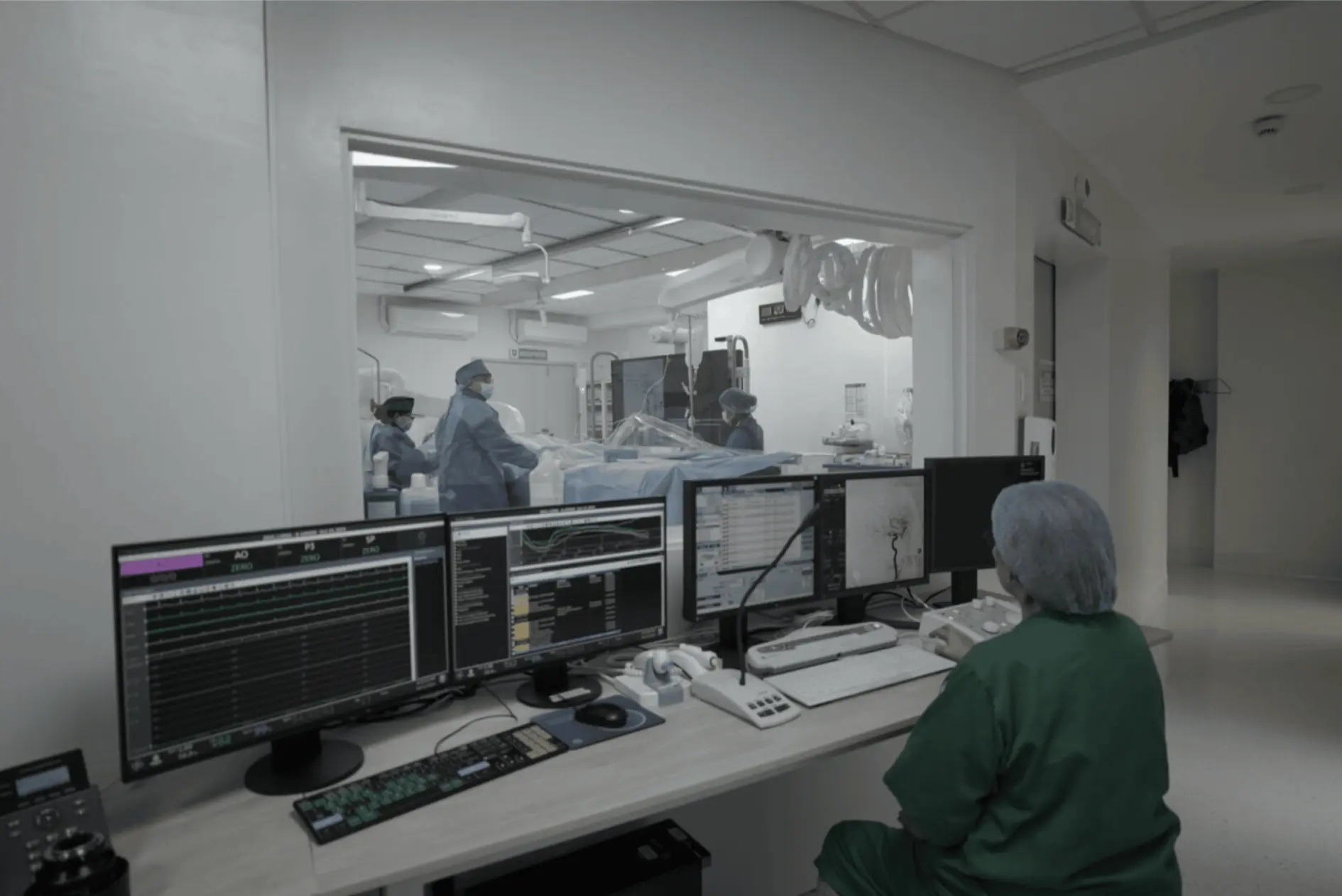
When faced with heart or vascular conditions such as blockages, rhythm abnormalities, or vascular issues, patients need certainty, speed, and minimal disruption to their everyday life. Combining state-of-the-art facilities and technology and specialized expertise in interventional cardiology and surgery, Unihealth Southwoods’ Cardiac Catheterization and Vascular Center (CathLab) in Biñan, Laguna, provides highly advanced, precise, and minimally invasive heart and vascular disease diagnostics and treatment, such as a coronary angiogram procedure to identify blocked arteries and coronary angioplasty to improve blood flow.
Unlike open heart surgery procedures that make big incisions and need longer recovery time, specialized CathLab procedures use long, thin, and flexible tubes, called catheters, capable of being inserted and guided into blood vessels, usually starting from a small hole in the wrist or groin. This technique greatly reduces patient trauma, speeds up recovery, and allows most patients to go home and continue with their daily lives faster and with less pain. This quality is precisely the key to understanding how specialized CathLab services are vital to achieving faster recovery and improved circulation.
How can blocked arteries be fixed with specialized interventional services?
At Unihealth Southwoods’ CathLab, we offer a wide range of services that help diagnose and treat various heart and vascular conditions, such as blocked arteries, which are the root cause of many severe heart conditions, to improve organ function and blood circulation. As with any other life-saving process, it all first comes down to proper diagnosis before we move on to actual treatment, and then management and recovery. Let’s break down what the process is like at USHMC.
Getting a Diagnosis
Before any treatment begins, accurate and clear diagnosis must first be determined. For a blocked artery, a procedure called Angiogram is needed to confirm if there are blockages or narrowing in the artery and where they’re located. During an Angiogram, contrast dye is injected into the patient’s bloodstream for better visual of the blood flow, and continuous X-ray images are taken in real-time (fluoroscopy). This precise diagnostic imaging is done to locate exactly where the narrowing or blockage is to prevent misdiagnosis and avoid any unnecessary treatments.
Types of Angiograms Available at Unihealth Southwoods’ Cardiac Catheterization and Vascular Center (CathLab):
| Type of Angiogram | What It’s For |
| Coronary Angiogram | Arteries and blood flow to the heart |
| Cerebral Angiogram | Arteries and blood flow to the brain |
| Renal Angiogram | Arteries and blood flow to the kidneys |
| Peripheral Angiogram | Arteries and blood flow outside of the heart (usually arms or legs) |
Life-Saving Treatment
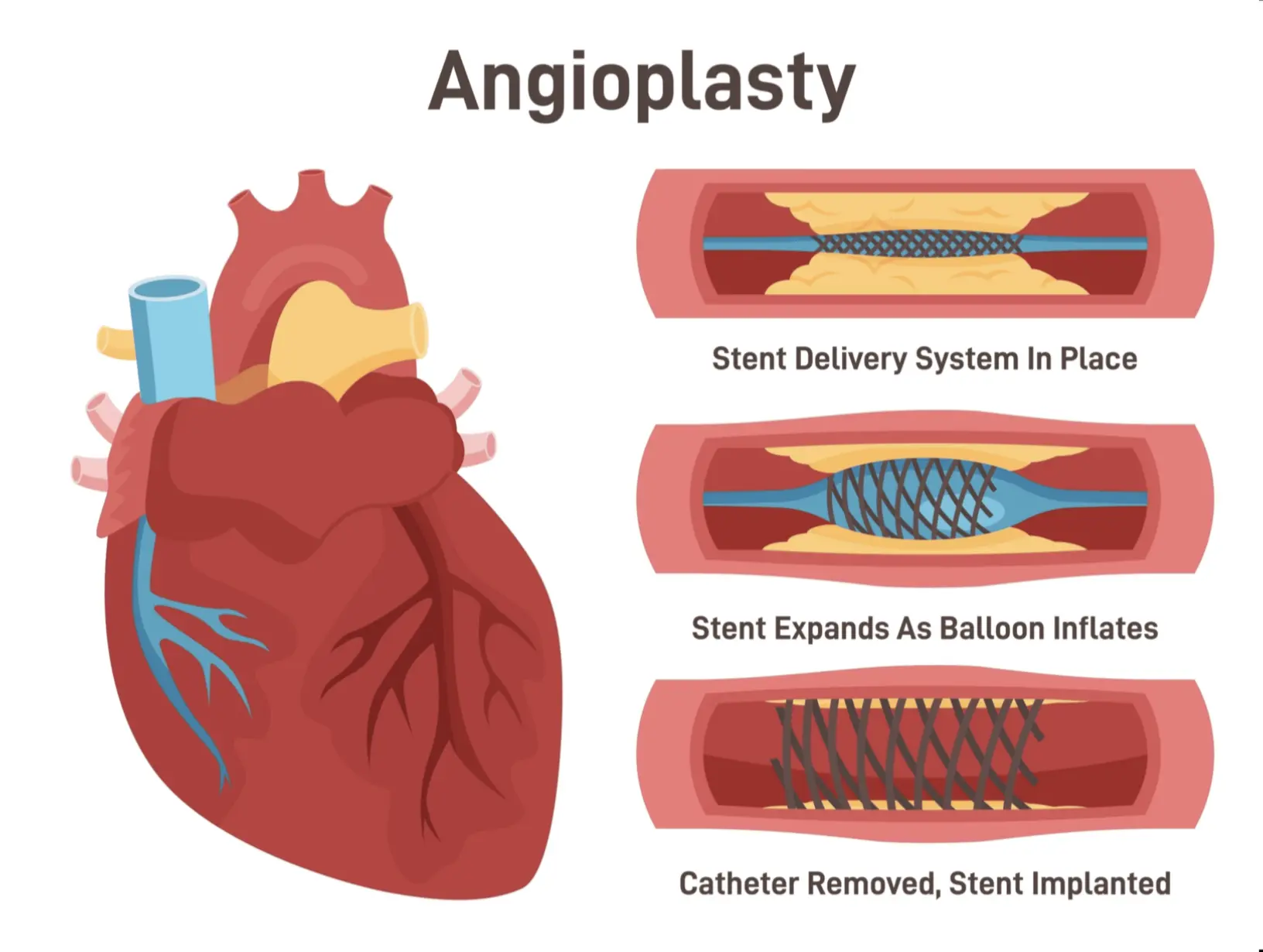
When a dangerous blockage or narrowing is identified, a procedure called Angioplasty is performed to treat it.
Procedures such as Coronary Angioplasty for heart disease treatment or Peripheral Angioplasty for treatment of blood circulation issues in the limbs are minimally invasive, which means that they do not create any big incisions or wounds and do not require a long stay in the hospital to recover. As these procedures are quicker and non-surgical in nature, they significantly increase the patient’s chances of recovery and limit any possible long-term damage to the heart during a heart attack as well as save limbs and prevent amputation by restoring circulation in the arms or legs.
What are the other specialized services at Unihealth Southwoods’ CathLab?
Our CathLab’s specialized services are not just for the heart and limbs. Leveraging the skills of our expert interventional cardiologists, oncologists, and surgeons, we also take a multi-disciplinary approach to treat more complex conditions in the brain or kidneys and for cancer care.
Neurovascular Interventions for Your Brain
Just like with the heart, quickly and precisely treating any issues with blood vessels and blood flow to the brain is a highly important step on how to prevent stroke and avoiding long-term neurological problems.
For accurate diagnosis, a Cerebral Angiogram is crucial for imaging and mapping the complicated network of blood vessels in the brain. It is the key to detecting issues like aneurysms, malformations, or areas of blood vessels that show signs of constriction or narrowing that can potentially cause more problems later on.
USHMC’s CathLab also offers a procedure called Coiling, which is a highly specialized and life-saving treatment for brain aneurysms that is also minimally invasive. With this procedure, tiny platinum coils are delivered into the aneurysm through a catheter to pack it off and prevent it from rupturing and causing a hemorrhagic stroke.
Oncology Interventions for Cancer Patients
The precision and speed of catheter-based treatments allow us to deliver powerful cancer treatments right where they’re supposed to go, which lessens potential side effects that are commonly associated with traditional chemotherapy.
USHMC’s CathLab can perform a procedure called Transhepatic Chemoembolization (TACE), which is a targeted procedure mainly used to treat liver cancer. In a Transhepatic Chemoembolization, the CathLab team brings concentrated chemotherapy medication directly into the tumor’s blood supply, followed by very small particles that block that supply, a process known as “embolization”. As blood supply to the tumor is cut, the tumor will “starve”, having its nutrient source removed. The concentrated medicine also gives off a stronger effect, which offers hope to patients when surgery is not an option.
Another procedure that helps cancer patients is called Percutaneous Transhepatic Biliary Drainage. This is where blockages in the bile ducts caused by tumors are treated. A catheter is used to drain the bile, which helps treat jaundice, improve the patient’s comfort, and enable them to undergo further cancer treatments.
Renal Interventions for Your Kidneys
More than just diagnostics, the insights gained from performing a Renal Angiogram allow us to perform precise treatment for vascular conditions that affect the kidneys and heart disease treatment. It can be used to pinpoint if there’s a narrowing of the arteries leading to the kidneys, which is what we call Renal Artery Stenosis, a possible cause of hypertension. It can also help map out a tumor’sblood supply and how it’s connected to the blood vessels around it, so surgeons can figure out and plan how to remove it surgically if needed.
Heart Electrical Function Management
Aside from clearing blockages and widening narrowed blood vessels, our CathLab is crucial in maintaining the heart’s rhythm, function, and structural integrity.
- Heart Rhythm Management – For patients who are suffering from heartbeats that are too slow, also called Bradycardia, or other debilitating arrhythmias (heart rhythm issues), a Pacemaker Insertion may be required to improve it and enable a better life experience. Bradycardia and arrhythmias can prevent the heart from pumping oxygen-rich blood to meet the body’s needs, which can have serious consequences.
- Pacemaker Insertion – this is a procedure where a small device is implanted under the skin with wires connected to the heart to help regulate overly slow or irregular heart rates. It’s a great method for making sure that the heart’s electrical function is more stable and fainting and fatigue are prevented, giving the patient a better quality of life.
Unihealth Southwoods’ Commitment to Excellence in Clinical Care, Technology, and Patient Support
Expert Team and Safe Practices
Our wide range of CathLab services, from cardiac and vascular care to oncology and renal care, is possible only because of the expertise of our interventional cardiologists, radiologists, oncologists, neurologists, and cardiac and vascular nurses. Prioritizing the least invasive options possible and maintaining our readiness for rapid response for events such as ischemic heart disease or neurovascular crises, our team is capable of reducing risk and recovery time of treatments compared to traditional surgery.
Affordable and Easy Healthcare
Our team at USHMC understands that stress and anxiety over money matters, such as billing and health insurance coverage, can become a hindrance to a patient’s recovery.
At our hospital, our staff are well-versed in maximizing your PhilHealth case rate benefits as well as working closely with our HMO providers in the Philippines to quickly secure Letter of Authorization (LOAs) needed for all eligible heart procedures and other high-value services so that our patients can focus more on recovery.
The Unihealth Southwoods’ Cardiac Catheterization and Vascular Center (CathLab) is dedicated to providing advanced treatments for blocked arteries and improving heart conditions, restoring good blood circulation, and even performing targeted cancer treatments. This commitment ensures effective heart disease prevention and treatment as well as lasting support for your journey to better health at the highest standard.
Trust the experts at our CathLab!
If you have questions about your cardiovascular health or specialized intervention procedures available at USHMC, please don’t hesitate to contact us.
*https://psa.gov.ph/content/2024-causes-death-philippines-provisional-30-november-2024
Frequently Asked Questions (FAQs)
What are the main benefits of a CathLab procedure than traditional open surgery?
It is minimally-invasive, therefore, there’s less pain, less risk, and quicker recovery time.
How long does it take to recover from a CathLab procedure?
For angiograms, you may only need a few hours up to a day. For more complex procedures like an angioplasty, full recovery may take between 3-7 days.
Does PhilHealth or HMO cover CathLab procedures?
PhilHealth does have case rates and Z benefits that may cover treatment for heart attacks as well as pacemaker insertion. For HMO, it depends on what’s included in your plan. It is best to contact your HMO provider to check your coverage and obtain a Letter of Authorization (LOA).
What’s the difference between Coronary Angiogram and Coronary Angioplasty?
Angiogram is a diagnostic test that uses dye and X-rays to see inside blood vessels and find blockages. Angioplasty is the treatment to open the blockage where a tiny balloon is inflated and a stent is placed to keep the artery open.