


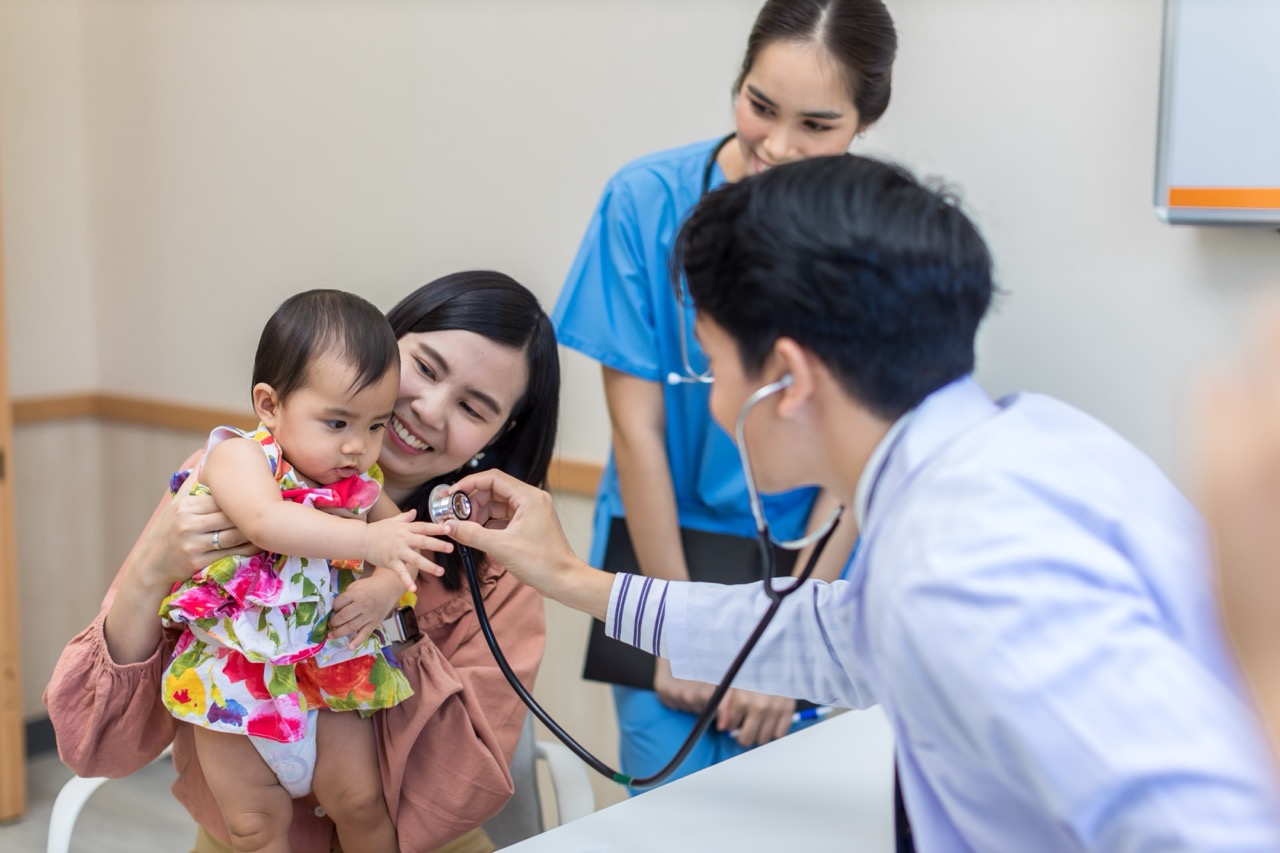
As parents, we understand that you want nothing more than to see your children grow up happy, healthy, and strong. From your baby’s first cry to their school-age years, children may experience many physical and emotional changes. Along the way, they will need expert medical guidance from pediatric doctors who can lead them to better health in a manner that lets them stay comfortable enough to express how they are feeling or if they are experiencing any pain.
If you have ever searched for “pedia clinic near me” or “pedia near me in Biñan, Laguna”, you are definitely not alone. Many parents are looking for a pediatric clinic they can trust that can understand not only a child’s medical needs, but also all the questions the parents may have.
This guide is to help parents understand pediatric consultation, why it’s important to have regular visits, when it should be done, and why it’s important to choose the right pedia clinic and pediatric doctor for your child’s long-term health. When you know more, you will be able to make more confident decisions for your children and your family.
What is a Pediatric Consultation?
Simply put, a pediatric consultation is a medical visit focused on the health and development of infants, toddlers, children, and adolescents up to age 18 years of age. Pediatric care usually includes diagnosing and treating childhood illnesses, monitor physical growth and developmental milestones, give nutrition and wellness guidance, administer and track vaccinations, and educate the parents on best practices in home care and disease prevention.
Whether your child has a fever, cough, or simply needs their regular check-up, visiting a pedia clinic you can trust means you will receive medical care that is appropriate to your child’s age, gender, and compassionate.
Why Are Regular Pediatric Visits Important?
Usually, parents will only visit the hospital or a pediatrician when their child is already sick. However, regular pediatric consultations have many benefits that can help support your child’s overall health and development in the long run.
Some health conditions do not show symptoms that you can see right away. Having routine check-ups will allow pediatricians to detect and identify if there are early signs of developmental delays, nutritional deficiencies, parasitic infections, or even respiratory concerns that may require a more specialized pedia pulmonologist.
Each childhood phase also come with different challenges. Pediatricians can give practical advice on how to breastfeed your children properly, provide them with proper nutrition, set healthy sleep routines, prepare them for school and learning development, as well as how to identify and manage any emotional or behavioral concerns.
Having a reliable pedia clinic nearby can give parents like you some peace of mind especially when you know exactly where to go when your children need medical attention.
At Unihealth Southwoods Hospital and Medical Center, there are compassionate, knowledgeable, and patient pediatricians with different sub-specialist to attend to early kind of disease or health concerns.
- Pedia – Pulmonologist
- Pedia – Cardiologist
- Pedia – Infection
- Neonatalagist
- Pedia – Nephrologist
- Pedia – Endocrinologist
- Pedia – Rheumatologist
- Pedia – Neuro
- Pedia – Surgery Etc.
What Are Some Common Childhood Illnesses in the Philippines?
Due to the Philippine climate, school exposure, and environmental factors, children in the Philippines are more commonly exposed to certain illnesses. Here are some of the illnesses that most frequently affect children in the Philippines:
Coughs, Colds, Common Flu (Ubo, Sipon, at Trangkaso)
Coughs, colds, and the common flu are the most common illnesses that affect children due to its viral transmission and how easy it is to spread. Here are the most common symptoms:
- Sore throat
- Runny or stuffy nose
- Persistent cough (with or without phlegm)
- Fever
While many cases can be managed or treated at home using well known, effective ver the counter medicines, consulting a pediatric doctor is still the best way to ensure proper diagnosis and get treatment or medicine for cough and cold, especially for younger children.
Hand, Foot, and Mouth Disease (HFMD)
Hand, Foot, and Mouth Disease (HFMD) is a viral common childhood illness that spreads via close contact, saliva, or feces. Here are the symptoms of hand, foot, and mouth disease:
- Fever
- Sore throat
- Lack of appetite
- Blister-like sores in the mouth
- Skin rash on the palms of the hands, soles of the feet, or sometimes around the buttocks or genitalia
Is hand, foot, and mouth disease contagious?
Yes. HFMD is highly contagious, spreading easily through saliva, respiratory droplets, and contaminated surfaces. This is particularly common in daycare or school settings.
It’s important to detect this illness early and promptly consult a doctor to help prevent complications and keep the virus from spreading even further.
Chickenpox (Bulutong Tubig)
Chickenpox is a viral infection that is highly-contagious and easily spreadable. Here are some of the symptoms of chickenpox to look out for:
- Fever
- Fatigue
- Lack of appetite
- Itchy, blister-like skin rash that looks like it has water inside
It can spread through airborne droplets and direct contact with fluid from the blisters.
While chickenpox is less common today due to widespread national vaccination programs, it is still seen in unvaccinated children. The same virus that causes chickenpox can also reactivate later in life which can cause Shingles, also a viral infection that causes painful rashes to spread on the skin accompanied by other symptoms like a tingly sensation on an area of the face or torso, fever, chills, headache, and fatigue.
Measles (Tigdas)
Measles is another highly-contagious, viral infection caused by the measles virus. It affects the respiratory system and can lead to pneumonia when not treated immediately. Here are some of the symptoms of measles you should look for:
- High fever
- Cough and runny nose
- Red, irritated eyes
- Widespread skin rash
Although many parents search for ways to cure measles, prevention still remains to be the best way to fight measles. Vaccines for measles are widely available and should be administered to children as part of their basic vaccination program.
What’s the difference between chickenpox and measles?
Chicken pox and measles are both highly-contagious viral infections but they are caused by two different viruses. Chickenpox is also characterized by an itchy rash and flu-like symptoms while measles have blotchy rashes and upper respiratory infection-like symptoms.
When looking more closely, the chickenpox rash looks like red spots that develop into fluid-filled blisters while the measles rash looks like flat, redspots that canjointogether as it progresses (like hives) and are accompanied by whitish gray spots in the mouth.
Parasitic Worms and Parasitic Infections
Many Filipino children are at risk of parasitic infections, especially those who love to play outside or walk barefoot. Parasitic worms can live and reproduce within the gastro intestinal track and absorb nutrients from the host’s food which may cause nutritional deficiencies especially in children. Here are some signs your children may have parasitic worms:
- Abdominal pain
- Weight loss
- Lack of appetite
- Itching around the anus
Parasitic infections can cause growth and nutritional issues. Make sure your children have regular deworming, guided by a pediatric doctor, to maintain their health andmake sure they grow happy and well.
If you are looking for a trusted hospital in Laguna where youcan have your children’s regular deworming sessions, visit us at Unihealth Southwoods Hospital!
The Importance of Vaccines and Completing Vaccination Schedules For Your Kids
Vaccination is one of the most important defenses your children can have against viruses and diseases. Completing your child’s vaccination schedule means that your child, your family, and your surrounding community will be more protected.
Vaccines help prevent life-threatening diseases like measles, polio, meningitis, and Hepatitis B, reduce hospital admissions, and protect infants and immunocompromised individuals.
Usually, vaccines for protection against the flu, measles, chickenpox, polio, hepatitis, and other preventable childhood illnesses are available at pediatric clinics and hospitals like Unihealth Southwoods Hospital. Our pediatric team and doctors can help monitor your child’s vaccination schedules and make sure that no dose is missed.
When Should You Bring Your Child to See a Pediatric Specialist?
Some children who have recurring symptoms like fever or coughs should consult a pediatric doctor right away as these may be symptoms of a more complex illness.
However, it is advised to bring your child regularly, at least annually, to have a well-child check up with a pediatrician to make sure we catch any early symptoms of illnesses or medical conditions and provide the correct treatment or management techniques. If your child tends to get sick quite often, it is advised to bring them in for check-ups more often, such as every 3 to 6 months.
Choosing the Right Pediatric Clinic in Laguna
When searching for the best pediatric clinic near you, you should look for an institution that has board-certified doctors and specialists, complete vaccination services, a clean, child-friendly environment, a convenient location in Biñan, Laguna, and clear communication and compassionate care.
Unihealth Southwoods Hospital and Medical Center is proud to meet all of these standards, adhering to our mission of providing patient-centered, compassionate care to lead our patients to better health.
With a dedicated pediatric department, our experienced and board-certified pediatricians provide comprehensive care for infants, toddlers, children, and adolescents, from routine well-child visits and vaccinations to the treatment of common childhood illnesses. Conveniently located in Southwoods Ecocentrum in Biñan, Laguna, our hospital serves as a reliable and trusted healthcare partner for families in our community, providing high quality pediatric care that is focused on your child’s comfort, development, and long-term health and well-being.
Children grow quickly and their health changes just as fast. Bringing your children for regular pediatric consultations ensure that your child maintains their health and prevents any illnesses from progressing.
Give your child the care they deserve now for a healthier and stronger future. Start with the right pediatric care at Unihealth Southwoods Hospital and Medical Center.
Frequently Asked Questions (FAQs)
What should I prepare for a pediatric consultation?
- You should bring your child’s Baby Book and vaccination record. This will be used to write down recent changes in your child’s appetite, sleep, behavior, or other developmental changes as well as to monitor their vaccination schedule.
When should I bring my child for a pediatric consultation?
- Also called Well-Child Visits, usually, these happen monthly for the first 6 months for infants. Then until age 2, it becomes every 3-6 months, and then yearly after age 2. However, it is still recommended to follow your pediatrician’s advice on your Well-Child Visit Schedule as this also depends on your child’s health condition.
When is a fever an emergency?
- Please head to the nearest emergency room right away if your child’s fever is accompanied by a stiff neck, seizure, difficulty breathing, or if a baby under 3 months old has any fever at all.
Are vaccines safe?
- Yes, they are. Vaccines used in the Philippines via the DOH National Immunization Program undergoes rigorous global safety testing. They are designed to trigger an immune response without making your child sick.
What if my child missed a scheduled vaccine dose?
- If you only missed it by a few hours or days, most vaccines can be given as “catchup” doses. Please consult your pediatrician to adjust the vaccination schedule. Usually, you will not need to restart the series of vaccinations from the beginning.