


Rehabilitation Medicine Services
- Home
- Rehabilitation Medicine Department
Recovering from a sports injury, surgery, stroke, or managing chronic pain? Our personalized and specialized physical therapy and occupational therapy programs led by our expert rehabilitation medicine doctors and therapists ensure that you can get your independence and strength back.
Explore our physical therapy and occupational therapy services and choose what suits your needs best.
Quick guide
Table Of Contents
Services Offered
Physical Therapy Services
What is Physical Therapy?
Physical Therapy focuses on restoring mobility, physical function, and movement by treating or managing pain, increasing strength, improving balance, bringing back the range of motion, and preventing more injury from developing. It is also meant to help improve the overall quality of your life.
Here are the physical therapy services that we offer:
- TECAR (Transfer of Energy Capacitive and Resistive) - uses radio frequency to transfer energy to tissues, promoting healing and reducing pain.
- Pain Relief: Helps alleviate pain by increasing blood flow, reducing inflammation and promoting the release of endorphins.
- Enhanced Healing: Deep heating accelerates tissue regeneration and repair processes.
- Mechanical Cervical and Lumbar Traction - This treatment uses a machine that applies a gentle, pulling force to stretch the spine to relieve pain and decompress pressure on the nerves and disc. Aside from relieving pain, it is also used to manage muscle spasms and nerve compression on the neck and back.
- Therapeutic Ultrasound - This treatment uses high-frequency sound waves via ultrasound which produces heat and vibrations that goes into the tissues or muscles, boosting healing, and relieving pain from injuries, chronic pain, or inflammation.
- TENS and Electrical Stimulator - Transcutaneous Electrical Nerve Stimulation, also known as TENS, is a procedure that uses a small portable device that emits low voltage electrical currents that pass through an electrode attached on the skin. It blocks pain signals from reaching the brain and can trigger the release of endorphins (also known as the happy hormone). This procedure can relieve pain, promote healing, and help strengthen muscles.
- Hot Moist Pack and Paraffin Wax Bath
- Moist hot packs are kept in hot water and wrapped with layers of towel before being placed on the area of the body that needs pain relief to avoid burns.
- Paraffin wax, not the same as candle wax, is usually used to thickly coat the treatment area, usually the hands or feet. After coating the area in paraffin wax, the area is then wrapped in a towel, allowing it to warm up.
- Both treatments use heat to relieve pain, relax tense muscles, promote better blood flow, and helps prepare the muscles for other treatments that involve stretching or exercising muscles and joints.
- Shockwave Therapy - Also known as Extracorporeal Shockwave Therapy or ESWT, is a non-invasive method that uses a handheld device that emits sound waves to treat pain and boost healing of injured muscles or tissues. It can also break down any build up of calcified deposits, increase blood flow, and help with regenerating cells.
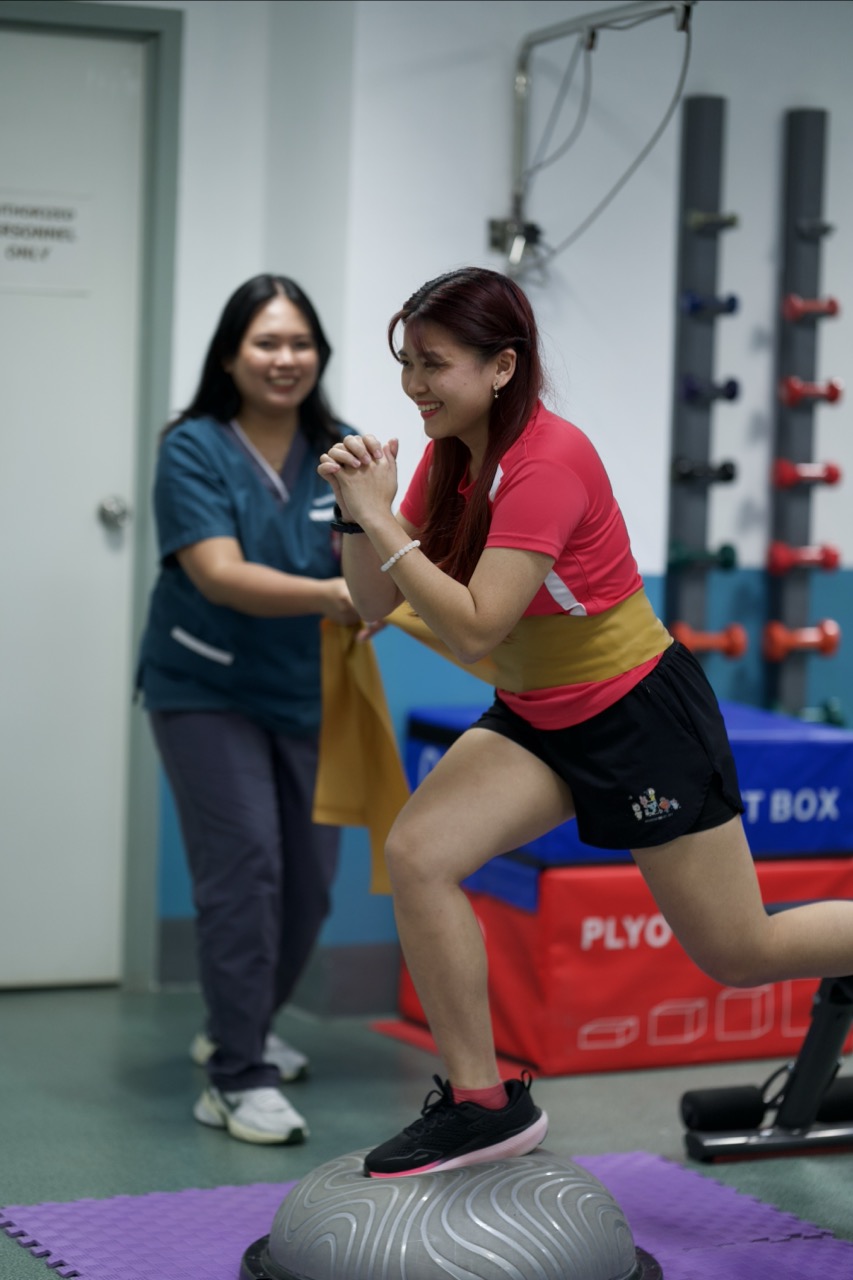
- Therapeutic Exercise - Our physical therapists develop a customized exercise program that are made to address the specific functional problems that a patient may have. It could be to bring back muscle strength or flexibility, improve cardiovascular endurance, or increase range of motion. Exercises can include stretching, strengthening, conditioning, and balancing exercises.
- Neuromuscular Re-education - This treatment method is typically used to help patients who have neurological conditions that affect movement such as stroke, spinal cord injury or head injury. It is done using repetitive exercises to bring back communication between your central nervous system and your muscles. These exercises will help remake normal patterns of movement, improve balance, and increase coordination.
- Cardiac Rehabilitation Program - is a medically supervised program to help patients improve cardiovascular health and recover from a heart attack, heart surgery, or percutaneous coronary intervention such as angioplasty and slenting.
Occupational Therapy Services
What is Occupational Therapy?
Occupational Therapy focuses on helping patients regain independence or become self-sufficienct in daily life, such as being able to dress by themselves, bathe, write, or cook.
Here are the Occupational Therapy programs we offer:
- Gross/Fine Motor Skills Exercise - These include exercises that help patients improve control over Gross Motor Skills such as walking and balancing and Fine Motor Skills which involves small movements such as grabbing objects, buttoning clothes, or writing.
- Dysphagia Management - This method include the assessment and treatment of patients who struggle with swallowing or chewing food and drinks. It involves practicing exercises that make the muscles used for eating, stronger. The goal is to make swallowing or chewing safer and prevent food and drinks from going down the airway.
- Neuro-developmental Techniques - This is a technique typically used for patients recovering from injuries or conditions such as a stroke or cerebral palsy. Patients are guided to help the brain relearn skills like how to sit up, stand up, or walk properly. It is also used to correct abnormal movement reflexes to promote movement that is more functional and controlled.
- Behavioral Modification Techniques - This technique is usually used to help patients manage or change behaviors that are disruptive or challenging, usually for children or patients who had brain injury. Exercises can include those that improve focus, concentration, organization, and how to interact with family or friends. Patients are also helped with spotting triggers and behavioral difficulties to encourage more positive behaviors and learning how to self-regulate.

Common Conditions We Treat
Stroke
This happens when there is a disruption in the blood flow to the brain, which may result in paralysis, weakness, or loss of function on one side of the body. During recovery, both Physical and Occupational Therapy may be needed to help patients relearn basic motor skills and restore strength.
Chronic Back Pain
Often a result of poor posture, especially when sitting for long periods of time in traffic or for an office job, heavy manual labor, or age-related degeneration such as slipped discs, This typically requires a Physical Therapy program that focuses on managing pain, improving strength and flexibility, and teaching patients how to sit or lift items properly to avoid further injury.
Joint Replacement
This is a surgery that replaces a worn-out or damaged joint, typically in the knee or hip, commonly performed for elderly patients. After the surgery, Physical Therapy is usually required to restore the joint’s range of motion, rebuild the muscles around the newly replaced joint and improve their strength, and ensure the patient’s successful recovery and overall safety.
Developmental Delays in Children
When a child develops key skills like walking, speaking, or socializing at a different pace than their peers, Occupational Therapy might be needed to help them build these skills, which they need for daily life. This could include helping them improve their fine motor skills, such as writing or tying their shoes, social skills needed in school or daily interactions, such as playing with others, or managing sensory needs such as sensitivity to touch or sounds.
Repetitive Strain Injuries
These are injuries caused by repetitive movements such as Carpal Tunnel Syndrome or Tendinitis. This may typically require Occupational Therapy to help patients figure out a way to function normally while avoiding recurring injury. This could include Hand Therapy, making custom splints for support or teaching ergonomic modifications such as how to hold tools better or how to use the computer with proper posture. Physical Therapy can also be done for pain management and restoring strength.
Helpful Answers
Frequently Asked Questions
Do I need a referral to start therapy?
Yes, you will need to have an assessment with a Rehabilitation Medicine doctor first to give you a proper diagnosis and prescribe the correct type of therapy and how many sessions you will need.
Does PhilHealth cover physical or occupational therapy sessions?
– PhilHealth usually does not cover outpatient therapy on a per session basis. However, if your need for therapy is part of a larger medical condition included in a PhilHealth Case Rate like Stroke, the initial rehabilitation may be included in that total befit package. To be sure, it is better to check what your package inclusions are with PhilHealth first.
To learn how you can use your PhilHealth at our hospital, you can check our PhilHealth guide here.
Can I use my HMO health card for my therapy sessions?
It depends on what plan you have. Many HMO plans have a limited number of sessions covered but some may not cover any at all. It is best to check with your HMO provider before your sessions. If your plan covers physical or occupational therapy sessions, you can check our HMO insurance guide to see how you can use your health card at our hospital.
How long does a typical physical or occupational therapy session last?
Usually, it lasts from 45 to 60 minutes. However, it can be longer if the treatment is more complex.
What is the main difference between Physical Therapy and Occupational Therapy?
Physical Therapy focuses on improving physical function, regaining strength, range of motion, and coordination, and relieving pain, while Occupational Therapy focuses on promoting independence in performing daily tasks and participation in life activities such as self-care like bathing, eating, and doing household tasks like cooking.