


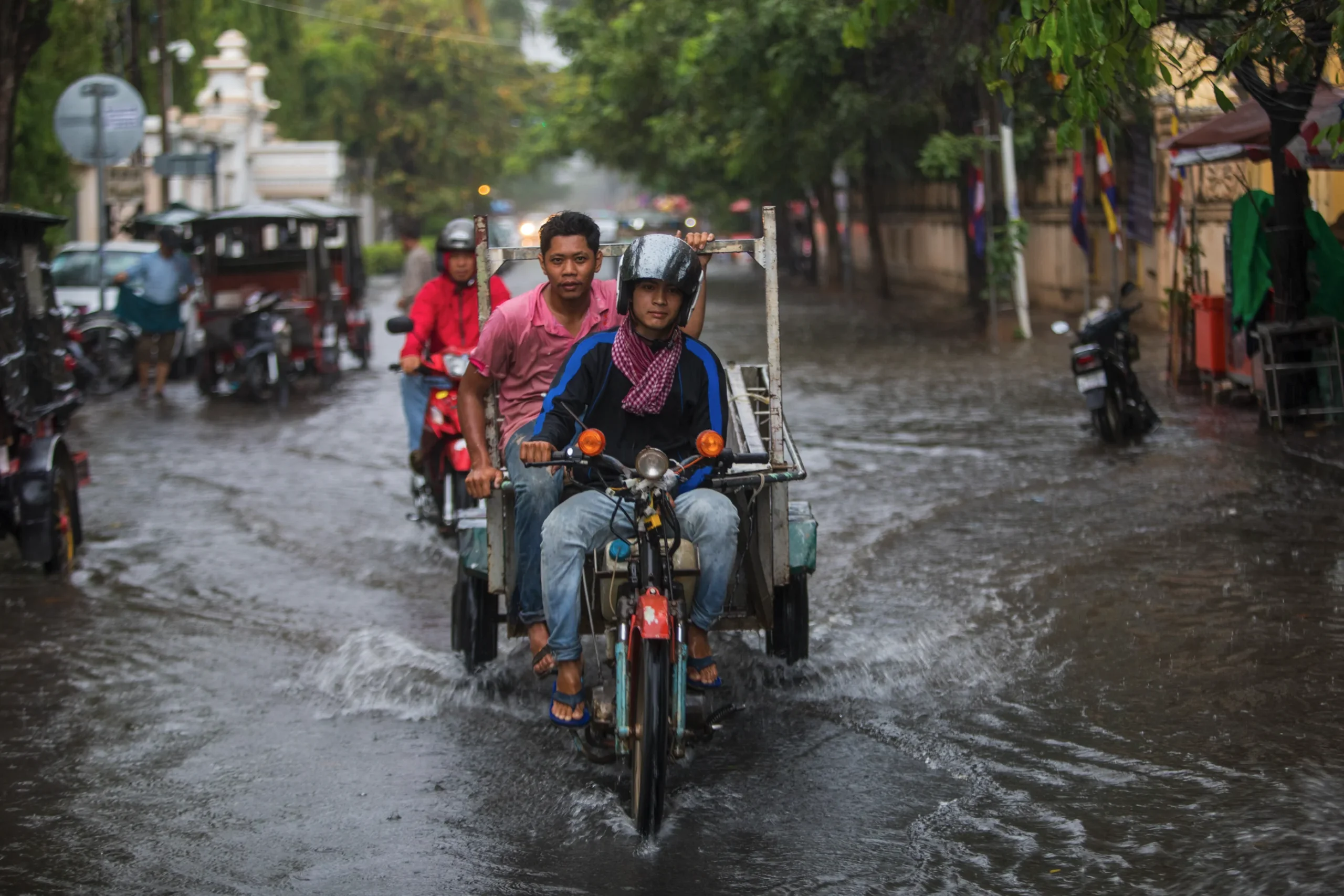
When heavy rains arrive in the Philippines, especially some areas of Laguna, families often prepare for floods, disrupted routines, and canceled classes. But the rainy season also brings another concern that is usually overlooked by many: leptospirosis.
Every year, hospitals in the Philippines treat patients affected by this potentially serious bacterial infection. What makes leptospirosis especially dangerous is that its early symptoms usually resemble those of the flu or viral illness, making it easy to ignore or overlook until more severe symptoms or complications develop.
At Unihealth Southwoods Hospital and Medical Center in Biñan, Laguna, our medical team has cared for many patients affected by leptospirosis, and we understand how worrying and confusing this illness can feel, especially when the early signs look like the common cold.
This leptospirosis guide was created to help you understand what leptospirosis is, how to recognize it early, what leptospirosis treatment looks like, and, most importantly, how to avoid leptospirosis altogether.
What is Leptospirosis?
Leptospirosis is a bacterial infection caused by the Leptospira bacteria, which survive in floodwater, mud, and soil that has been contaminated by urine of infected animals like rats, dogs, cows, and other livestock. The bacteria gets into the body through cuts, scrapes, wounds, or even unbroken skin that has been soaked in the contaminated floodwater for too long, as well as through, eyes, nose, or mouth. Because the Philippines experiences numerous typhoons and flooding, leptospirosis cases in the Philippines tend to increase significantly during the rainy months of June and November, more specifically in low-lying communities and areas where floodwater stays for a longer period of time.
Leptospirosis is also not just an illness that can be contracted during the rainy season and in rural provinces. It can also affect those who live in the cities like students, vendors, and sanitation workers who wade through the flood, and even children playing in puddles of water outside their homes. The bacteria does not care about social status or location, which is why every household in Laguna and across the Philippines should at least know the basics of leptospirosis.
Why Leptospirosis Cases Spike During the Rainy Season
Did you know? The Philippines is one of the countries that are most affected by leptospirosis in Southeast Asia. This is because of the country’s tropical climate, frequent rain and flooding, and dense population of rodents in both urban cities and rural provinces alike.
Health authorities in the Philippines have also consistently flagged leptospirosis as a public health concern exactly because of how fast and easy it can spread after a storm or typhoon. Communities near rivers, esteros, and even rice fields are particularly vulnerable to leptospirosis spread. It is not a rare tropical disease; it is a real and recurring risk every rainy season.
Leptospirosis Symptoms: What to Watch Out For
Leptospirosis is very challenging to identify, especially in its early stages. The early symptoms of leptospirosis look like the symptoms of flu, dengue, or even a simple cold, which is why can often be overlooked until the symptoms are already advanced. This can be dangerous as leptospirosis can progress quickly without proper treatment.
Here are some common leptospirosis symptoms you need to watch out for especially during the first phase of the illness, which lasts five to seven days:
- Sudden high fever with chills (biglaang lagnat na may panginginig)
- Severe headache, sometimes feels like a tight band around the head (matinding pananakit ng ulo)
- Muscle pain, especially in the calves and lower back (pananakit ng mga kalamnan, lalo na sa binti o likod)
- Red, irritated, or bloodshot eyes without discharge (namumula o iritadong mga mata na walang discharge)
- Nausea, vomiting, or loss of appetite (pagduduwal, pagsusuka, o pagkawala ng ganang kumain)
- Abdominal pain (pananakit ng tiyan)
- Occasional skin rash (minsanang pamamantal ng balat)
If leptospirosis is not caught and treated early, it can progress into a more severe second phase which is known as Weil’s Disease that brings jaundice (paninilaw ng balat at mga mata), kidney problems (problema sa mga kidney), difficulty urinating (hirap sa pag-ihi), breathing difficulties (hirap sa paghinga), and in serious cases, bleeding from the nose or gums (pagdudugo mula sa ilong o gilagid).Because these symptoms can get worse quickly, especially in older adults, people with diabetes, and those with weakened immune systems, our medical team at Unihealth Southwoods always encourages our communities in Laguna, especially Biñan and other low-lying areas, to seek medical attention right away the moment a fever develops after wading through floodwater, mud, or contaminated soil.
Not everyone with leptospirosis will develop the severe form. Many recover with just mild symptoms if they are diagnosed and treated immediately. This is why early consultation and diagnosis matters, rather than waiting at home and hoping the fever will go away on its own.
Leptospirosis Incubation Period: How Soon Do Symptoms Appear?
Many parents and patients ask our doctors the same question: how long after exposure to floodwater would someone start feeling leptospirosis symptoms? The leptospirosis incubation period typically ranges from two days to about four weeks, although most people start showing symptoms within five to fourteen days after exposure. This means a person who waded through flooded streets two weeks ago could still develop a fever today, even if they felt perfectly fine right after the flood.
Because the leptospirosis incubation period can last for a few weeks, it’s important not to count out a sudden fever just because “the flood was a long time ago.” If anyone in your household has had contact with floodwater, muddy soil, or potentially contaminated water sources within the past month and now has a fever, please mention this exposure to your doctor right away. This one detail can make a major difference in how fast you can get a diagnosis.
Leptospirosis Treatment: What Patients Can Expect
The good news is, leptospirosis treatment is generally effective, especially when I’s started early. Once your doctor suspects or confirms leptospirosis, usually through a combination of symptoms, exposure history, and laboratory tests, treatment can usually begin right awayrather than waiting for every test result to come back, because early action can greatly impact and improve outcomes.
For mild to moderate cases, leptospirosis treatment usually involves oral antibiotics that can be taken at home, along with rest, hydration, and fever medication. Doxycycline for leptospirosis is one of the most common prescribed antibiotics for adults with mild symptoms, andworks well best when started early. Other forms of medicine for leptospirosis may include amoxicillin or ampicillin, which doctors sometimes recommend for children, pregnant patients, or individuals who cannot take doxycycline for medical reasons. It’s important to remember that these medicines must be prescribed by your doctor especially antibiotics, and the duration must be followed to avoid developing antibiotic resistance, which can make leptospirosis harder to treat.
For more severe cases, especially those involving jaundice, kidney complications, or breathing difficulties, hospitalization may be needed for leptospirosis treatment. During hospitalization, doctors would usually administer intravenous antibiotics along with supportive care that may include fluids, oxygen support, and in some cases, dialysis if the kidneys are significantly affected. Unihealth Southwoods is fullyequipped to provide this level of medical care, and our team closely monitors patients with severe leptospirosis to manage complications as they arise.
Leptospirosis treatment really works best the earlier it is started. Patients should never attempt to self-medicate with leftover antibiotics at home or delay a check-up hoping the symptoms will just go away on their own. The right medicine for leptospirosis, given at the right time and in the right dose, is what really makes the difference between a quick recovery and a prolonged, more complicated illness.
Practical Tips on How to Avoid Leptospirosis
While leptospirosis treatment has come a long way, prevention is still the safest and most affordable method for every household. Here are some practical ways to avoid leptospirosis, especially during the rainy season:
- Avoid wading through floodwater as much as possible. If you have no choice but to cross a flooded path, wear rubber boots and avoid letting the floodwater touch any open wounds, cuts, or scrapes.
- Cover wounds before going outside. Use a waterproof bandage to cover existing wounds, cuts, scratches, or even insect bites to prevent bacteria from entering.
- Wash thoroughly after exposure. As soon as you get home, wash your hands, arms, and legs with soap and clean water, better yet take a bath or shower, especially if you walked through floodwater or mud.
- Control rodents at home. Since rats are a major carrier of leptospirosis, seal and store your food properly, manage garbage, and use traps to reduce the rodent population around your house.
- Avoid swimming in canals, rivers, or floodwater that may be contaminated especially after heavy rains.
- Boil or treat drinking water if you think your water source may have been contaminated during a flood.
- Protect pets and livestock, since dogs and farm animals can also carry and transmit leptospirosis, sometimes without showing any signs that they are sick themselves.
Teach your children these habits early, especially when you know your area is flood-prone to reduce your family’s risk. Simple, consistent habits go a long way toward avoiding leptospirosis altogether.
When Should You See a Doctor for Leptospirosis?
If you, your child, or anyone in your household develops a fever suddenly after getting in contact with floodwater, mud, or potentially contaminated soil, please do not wait it out at home. Early medical attention is THE most important factor in successful leptospirosis treatment. Our hospital, Uihealth Southwoods Hospital and Medical Center in Biñan, Laguna, welcomes walk-in patients and emergency cases, and our medical staff is trained to recognize the early warning signs of leptospirosis, even when its symptoms seem milder.
We know that visiting a hospital can feel like an inconvenience, especially during a busy week or right after a typhoon has already disrupted daily routines. But when it comes to leptospirosis, a same-day check-up can prevent days, sometimes weeks, of more serious illness. Our medical team is here to listen, examine, and guide your family through diagnosis and treatment with the compassion every patient deserves.
Caring for Our Community in Biñan, Laguna
As a hospital rooted in this community, we have seen and experienced firsthand how leptospirosis can affect families, from market vendors to schoolchildren to elderly grandparents who simply wanted to check on their flooded backyard. Our goal is not only to treat leptospirosis when it appears, but to help our neighbors in Biñan, Laguna, and surrounding towns understand leptospirosis well enough to prevent it. Knowledge, paired with quick action, remains to be one of the strongest tools we have against leptospirosis every rainy season.
Have questions about leptospirosis symptoms? Need guidance on what leptospirosis treatment you can receive? Or just want to have your fever checked after going through a flood recently? Visit Unihealth Southwoods Hospital for a thorough check-up and testing.
Unihealth Southwoods Hospital and Medical Center
Lot 3 Blk 11 Southwoods Ecocentrum Business Park, Brgy. San Francisco, Biñan City, Laguna
Trunkline: (02) 8898-9700 | (02) 8861-6386 | (02) 8775-2861
Email: ushmc.customerservice@gmail.com
Facebook: @UnihealthSouthwoods | Instagram: @unihealth_southwoods
Important Reminder: This guide is for general educational purposes only and does not constitute medical advice. DO NOT self-diagnose. For proper diagnosis and treatment of dengue, please consult a licensed physician.
Frequently Asked Questions (FAQs)
Is leptospirosis contagious from person to person?
No, leptospirosis does not usually spread directly between people to people. It is transmitted through contact with water, soil, or surfaces contaminated by infected animal urine. Human-to-human transmission is extremely rare, so family members caring for a sick relative generally do not need to worry about catching leptospirosis from them directly.
Can leptospirosis be fatal if left untreated?
Yes, it can. In severe cases, untreated infection can lead to life-threatening complications such as kidney failure, internal bleeding, or respiratory distress. Fatality is uncommon when patients receive immediate medical care, which is why seeking consultation quickly after flood exposure and fever significantly improves the overall outcome and survival rate.
Is there a leptospirosis vaccine available for humans?
Currently, no widely available human vaccine exists in the Philippines. Vaccines do exist for animals like dogs and livestock, which can help reduce transmission risk. For people, prevention relies mainly on avoiding contaminated water, practicing good hygiene, and seeking prompt treatment whenever exposure occurs.
Can children get seriously ill from leptospirosis?
Yes, children can become seriously ill, sometimes faster than adults due to smaller body size and developing immune systems. Parents should monitor children closely after flood exposure and seek pediatric consultation immediately if fever, vomiting, or unusual tiredness develops within a few weeks afterward.
Does boiling water at home really help prevent infection?
Yes, boiling water kills the bacteria responsible for leptospirosis, making it a simple and effective precaution if your water source may have been contaminated by floodwater. This is especially useful in areas where tap water service has been disrupted or affected following heavy storms or flooding events.