


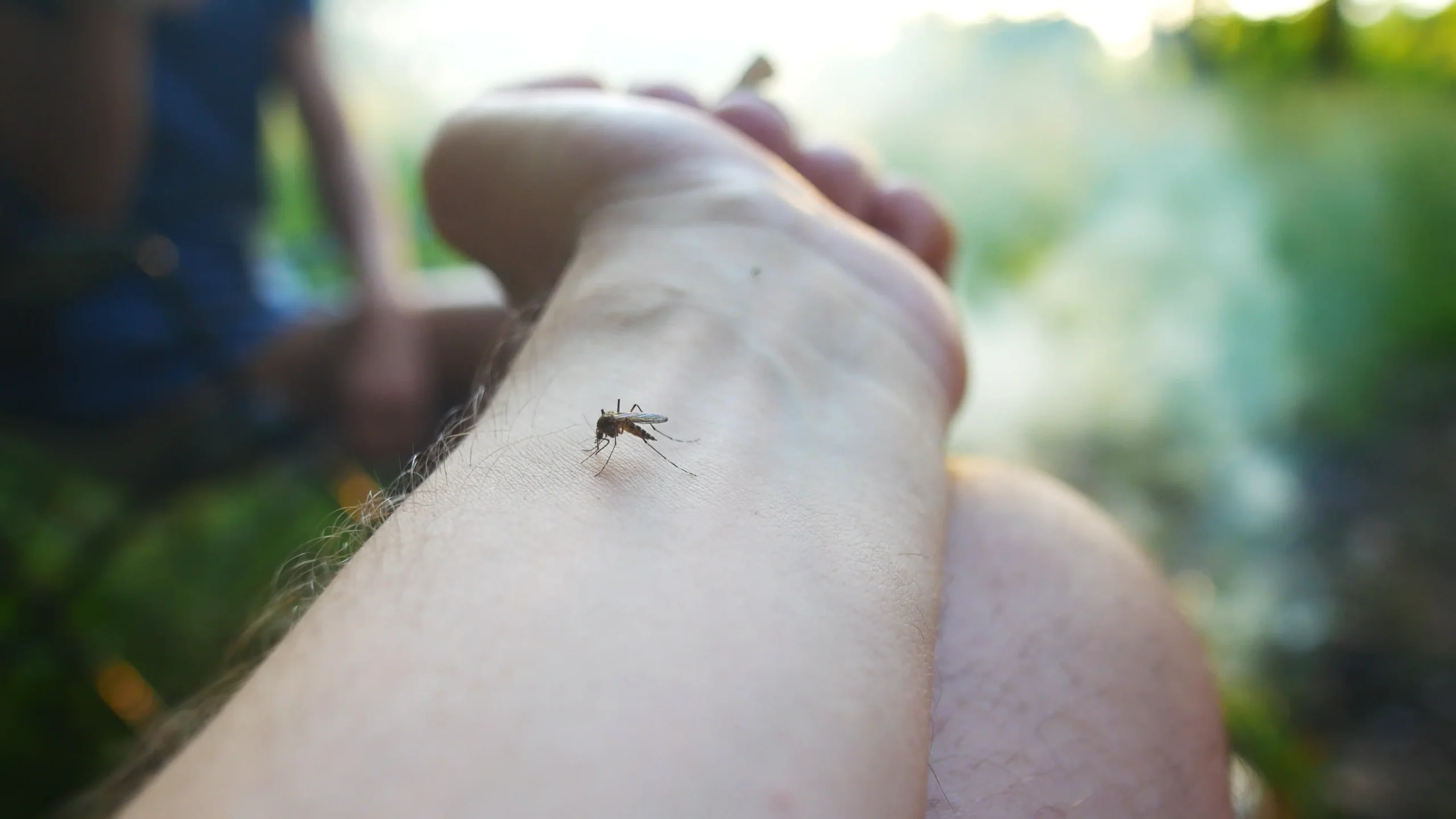
Every year, thousands of Filipinos, from young children to working adults, are brought to hospitals because of dengue. It’s one of the most common mosquito-borne diseases in the Philippines and yet many still don’t know the early warning signs, how to treat it, or how to prevent a dengue infection in their home.
At our hospital, Unihealth Southwoods Hospital, in Biñan, Laguna, we care deeply about every family we serve. Whether you’re a parent worrying about your child’s sudden high fever that comes and goes or an adult worried about an unusual rash after a mosquito bite, this dengue guide will cover everything from what dengue is to what dengue treatment looks like and how you can protect you and your loved ones starting today.
What is Dengue?
Dengue is a viral illness caused by the dengue virus. It has four distinct serotypes, DENV-1, DENV-2, DENV-3, and DENV-4. It belongs to the family of mosquito-borne diseases and is classified as one of the most widespread tropical infections in the world.
Dengue is transmitted through the bite of an infected mosquito, specifically the Aedes aegypti mosquito and, less commonly, by Aedes albopictus mosquito. When this mosquito feeds on a person infected with the dengue virus, it becomes a carrier and can transmit dengue to the next person it bites. Understanding dengue, what causes it, how it travels, and who is most at risk, is the first step toward meaningful prevention.
Dengue In the Philippines
Dengue in the Philippines a serious and persistent public health challenge. The Department of Health (DOH) reports tens of thousands of dengue cases annually, with more than 7,000 cases just in January 2026 and significant spikes during the rainy season from June to November, when standing water collects in one place and gives dengue mosquitoes ideal breeding conditions.
Here in CALABARZON, the region that includes Laguna, dengue outbreaks are a recurring concern. Children under 15 are the most vulnerable population, though dengue can and does affect teenagers and adults just as severely. Dengue in the Philippines is not just a statistic; it is a family emergency that touches communities like ours every year.
It is also important to note that having one type of dengue does not protect you from the other three serotypes. In fact, a second dengue infection can be more severe than the first, making active vigilance against dengue even more important.
How Dengue Spreads: Is Dengue Spreadable?
One common question among those affected by dengue is, “Is dengue spreadable from one person to another like other viruses?”. We’d like to reassure everyone that dengue DOES NOT spread through coughing, sneezing, hugging, or any form of direct humanc contact. You cannot catch dengue from just being near someone who has it.
Dengue only spreads through the mosquito bite of an Aedes aegypti mosquito.Here’s a quick rundown of the dengue infection cycle:
- The mosquito bites a person who has an active dengue infection
- The mosquito picks up the dengue virus
- After 8-12 days inside the mosquito, the dengue virus reaches the mosquito’s salivary glands
- In the next bite this infected mosquito delivers, it transmits the dengue virus into the new person’s bloodstream
Breaking this cycle by protecting yourself from mosquito bites and eliminating possible breeding grounds is how we stop dengue in our community.
Get to Know the Dengue Mosquito
The dengue mosquito, Aedes aegypti, looks different from the usual mosquitoes. It is small and dark with stripes on its legs and a lyre-shaped pattern on its back. Unlike mosquitoes that are active at dusk, the Aedes aegypti is a daytime biter, most active during the early morning hours, around two hours after sunrise, and in the late afternoon, a few hours before sunset.
What makes the dengue mosquito especially dangerous is its preference for breeding in clean, stagnant water inside or near homes. It can be in flower pot saucers, water drums, children’s toys, used tires, and even bottle caps. A dengue mosquito can complete its life cycle from egg to adult in just 7-10 days. This means that a small puddle of water left unattended for less than two weeks can become a home to new generation of dengue carrying mosquitoes. Don’t wait for kiti-kiti to appear. Get rid of stagnant water right away.
Dengue Fever Symptoms: Recognizing Dengue Early
Dengue symptoms can appear within 4-10 days after you are bitten by an infected mosquito. At the start, dengue fever lasts 2-7 days and can feel like regular flu symptoms, which is exactly why dengue is often overlooked or misdiagnosed at home. Recognizing dengue symptoms early is crucial for preventing severe complications.
Here are some of the most common symptoms of dengue:
- Sudden High Fever (biglaang pagtaas ng lagnat)
- Severe Headache (matinding pananakit ng ulo)
- Pain Behind the Eyes (pananakit sa likod ng mga mata)
- Severe Muscle Pain (matinding pananakit ng kalamnan)
- Joint Pain (pananakit ng kasukasuan)
- Nausea & Vomiting (pagduduwal at pagsusuka)
- Fatigue (pagkapagod)
- Mild Bleeding (pagdurugo)
- Dengue Fever and Rash (lagnat na may kasamang pamamantal)
Dengue fever and rash typically appear together with the fever appearing first sometimes before the rash, and they are the telltale signs of dengue. The rash associated with dengue fever and rash presentations usually looks like flat, red patches or tiny red dots (petechiae) and they commonly appear 2-5 days after the fever starts. If you notice dengue fever in yourself or a family member, seek a medical consultation immediately. DO NOT wait for it to “pass on its own”.
One thing to remember is that dengue is also sometimes called “breakbone fever” because of the extremely painful muscle and joint pain it causes. This level of pain following a mosquito bite should never be ignored.
Dengue Hemorrhagic Fever: When Dengue Becomes Dangerous
Aside from the excruciating pain it brings, if dengue is left untreated or progresses rapidly, it can develop into dengue hemorrhagic fever, a severe, life-threatening form of dengue. Dengue hemorrhagic fever symptoms include a sharp drop in platelet count, plasma leakage from blood vessels, and significant internal or external bleeding.
Dengue hemorrhagic fever requires immediate hospitalization and close medical monitoring. Here are some warning signs of dengue hemorrhagic fever you should look out for:
- Persistent vomiting – 3 or more episodes in an hour (tuloy-tuloy na pagsusuka)
- Severe abdominal pain or tenderness (matinding pananakit o panlalambot ng tiyan)
- Rapid breathing or difficulty breathing (mabilis o mahirap na paghinga)
- Bleeding from the gums, nose, or under the skin (pagdurugo ng gilagif, ilong, o ilalim ng balat)
- Blood in urine, stools, or vomit (dugo sa ihi, dumi, o suka)
- Rapid, weak pulse with cold and clammy skin (mabilis ngunit mahinang pulso na may kasamang panlalamig o pagpapawis ng malamig)
- Sudden drop in fever with extreme weakness – may signal critical phase (biglaang pagbaba ng lagnat na may kasamang panghihina)
If any of these dengue hemorrhagic fever symptoms appear, go to the nearest hospital immediately. At Unihealth Southwoods Hospital in Biñan, Laguna, we are fully equipped to manage dengue hemorrhagic fever cases around the clock. Do not attempt to manage these symptoms at home. Contact us at +63 (02) 8898 9700 for emergencies.
The DOH Dengue 4S: Your Step-by-step Defense Against Dengue
The Philippine Department of Health )DOH) has developed the 4S strategy, a widely used community-centered framework designed to reduce dengue cases in the Philippines through simple, everyday actions. Here is the Dengue 4S strategy step-by-step:
- S1: Search and Destroy
- Inspect your home and surroundings every week. Tip over, empty, or scrub containers that collect standing water such as flower pots, drums, buckets, old tires, gutters, and even bottle caps. These are all potential ideal breeding grounds for mosquitoes that can carry dengue. No water, no kiti-kiti.
- S2: Self-Protection
- Protect your family members from a mosquito bite. Use EPA-registered mosquito repellents on exposed skin, wear long-sleeved clothing during the day, sleep under a mosquito net or kulambo, and install screens on windows and doors to prevent dengue mosquitoes from coming in.
- S3: Seek Early Consultation
- At the first sign of dengue, especially a high fever that lasts for more than two weeks, visit a doctor or hospital immediately. Early dengue treatment greatly reduces the risk of progression to dengue hemorrhagic fever. Don’t self-medicate and don’t wait.
- S4: Say No to Indiscriminate Fogging
- Fogging should only be done when health authorities, like the DOH, confirm an impending dengue outbreak. Random or routine fogging does not address dengue mosquito larvae in breeding sites and can contribute to insecticide resistance in the long run, making future dengue control efforts less effective.
Practicing the Denge 4S consistently, not just during dengue season, is the most practical and proven way to reduce the risk of dengue transmission in our communities. Encourage your loved ones, friends, and neighbors, spread the word, and join the fight against dengue through the Dengue 4S.
What Blood Type Do Mosquitoes Like?
It has been a long-standing debate whether mosquitoes have a preference when it comes to their victim’s blood type. There has been experimental research that suggests that mosquitoes prefer people with Type O Blood over people with other blood types, however, the following factors affect a mosquito’s preferences more than blood types:
- metabolic rate
- body odor
- skin bacteria
- carbon dioxide output
- color of clothing (red, orange, black, and cyan are most attractive)
Mosquitoes that carry dengue are females and they bite humans to get proteins needed for egg production. They use their antenna and palps to detect their victims via the carbon dioxide and body odor they release. This means that every person, regardless of blood type, is susceptible to a mosquito bite from an infected mosquito.
How to Keep Mosquitoes Away
Knowing how to keep mosquitoes away is your strongest defense against a mosquito bite and, therefore, against dengue. Here are some tips on how to keep mosquitoes away from you, your family, and your home.
- Apply Mosquito Repellent Daily – Contrary to popular belief, citronella actually DOES NOT work well for keeping mosquitoes away. Products with DEET, picaridin, or lemon eucalyptus oil are most effective against mosquitoes.
- Wear Protective Clothing – wear long sleeves and pants in lighter or softer colors like white, beige, pastels, green, or blue during early mornings and late afternoons when the dengue mosquito is most active, especially when you’re in an area known to have higher dengue cases.
- Use Mosquito Nets (Kulambo) – this is especially important for infants, toddlers, and young children who cannot protect themselves from a mosquito bite.
- Install Window and Door Screens – keeping the dengue mosquito physically out of your home is one of the best and most effective strategies against mosquito bites.
- Use Electric Fans – mosquitoes are weak fliers, and a fan’s airflow can make it more difficult for mosquitoes to land and bite. It’s a win-win, you’ve got cooling plus mosquito defense in one.
- Eliminate Standing Water Weekly – the first step of the Dengue 4S, make it a habit to get rid of potential mosquito breeding grounds in and around your home to significantly reduce the mosquito population.
Making these tips a part of your regular habits and not just a seasonal concern as well as practicing the Dengue 4S is essential for long-term dengue prevention in Philippine households.
Dengue Fever Treatment: What to Expect
Unfortunately, currently, there is no specific antiviral drug or vaccine that directly targets the dengue virus. However, proper and timely dengue treatment can make a huge difference in recovery outcomes. Dengue fever treatment focuses on symptom management, hydration, and close monitoring for any complications.
For Mild Dengue Cases:
If your doctor confirms mild dengue without warning signs, dengue treatment at home typically includes:
- Hydration – drinking 8-10 glasses of fluids daily. It can be water, Oral Rehydration Salts (ORS), coconut water, or juice. Hydration is a highly importantcornerstone of dengue fever treatment.
- Fever Management – Paracetamol (acetaminophen) is the only approved medicine for managing dengue fever and pain. Never take aspirin, ibuprofen, or mefenamic acid as these thin the blood and can worsen dengue-related bleeding.
- Rest – allow your body to fight the dengue virus with enough rest.
- Monitoring – watch out for warning signs daily. Return to the hospital immediately if symptoms worsen.
For Severe Dengue (Hospital-Based Treatment)
Hospitalization is required when dengue progresses to dengue hemorrhagic fever or shows warning signs. In-hospital dengue fever treatment may include:
- IV Fluids – Intravenous (IV) fluid therapy is done to manage plasma leakage from blood vessels.
- Platelet Transfusion – platelets are infused into the patient with severe dengue hemorrhagic cases where there’s bleeding caused by low platelet count.
- Regular Blood Tests – routine blood tests every 6 to 12 hours for patients with warning signs or every 3 to 4 hours for patients with severe dengue to monitorplatelet and hematocrit levels.
- Monitoring – close nursing and physician monitoring 24/7.
If you need dengue treatment in Biñan or any part of Laguna, Unihealth Southwoods Hospital is here for you. Our medical team is highly trained, experienced, and deeply committed to providing quality, compassionate healthcare to our patients and supporting them and their family through every stage of dengue recovery.
If you or a loved one shows signs of dengue, please don’t wait. Visit the nearest emergency room or hospital to you. Unihealth Southwoods Hospital in Biñan, Laguna provides prompt, compassionate dengue care, from diagnosis to recovery. We are open 24/7.
For emergencies, call us at +63 (02) 8898 9700.
Important Reminder: This guide is for general educational purposes only and does not constitute medical advice. DO NOT self-diagnose. For proper diagnosis and treatment of dengue, please consult a licensed physician.
Frequently Asked Questions (FAQs)
Can I get dengue more than one?
- Yes, you can. There are four dengue serotypes. Being infected by one type only provides immunity to that strain. You can be reinfected by a different type and a second dengue infection is usually more severe and more likely to progress to dengue hemorrhagic fever.
Does papaya leaf extract really help with dengue?
- Some local studies suggest papaya leaf extract may support platelet recovery, which is why many Filipino families use it. However, it is not a cure and should never replace proper medical care. Always consult your doctor before giving it to a dengue patient, especially children.
What foods and drinks are best when recovering from dengue?
- Stay hydrated with water, oral rehydration salts, coconut water, and fresh fruit juices. Choose easy-to-digest foods like lugaw, soups, and vitamin C-rich fruits. Add malunggay for immune support. Avoid oily, spicy, and processed foods, and skip alcohol entirely as it lowers platelet count and worsens dehydration.
When should I bring a dengue patient to the hospital?
- Seek emergency care immediately if the patient has fever that lasts for over two days, persistent vomiting, severe abdominal pain, bleeding, blood in urine or stool, or sudden fever drop with cold, clammy skin. Even one warning sign is enough. Our hospital in Biñan, Laguna is available 24/7.
Is dengue treatment covered by PhilHealth?
- Yes, it does. PhilHealth covers both dengue fever and dengue hemorrhagic fever under its case rate package. Our hospital in Biñan, Laguna is a PhilHealth-accredited facility. Bring your PhilHealth ID and Member Data Record upon admission. Our patient services team is happy to assist with any billing concerns.