


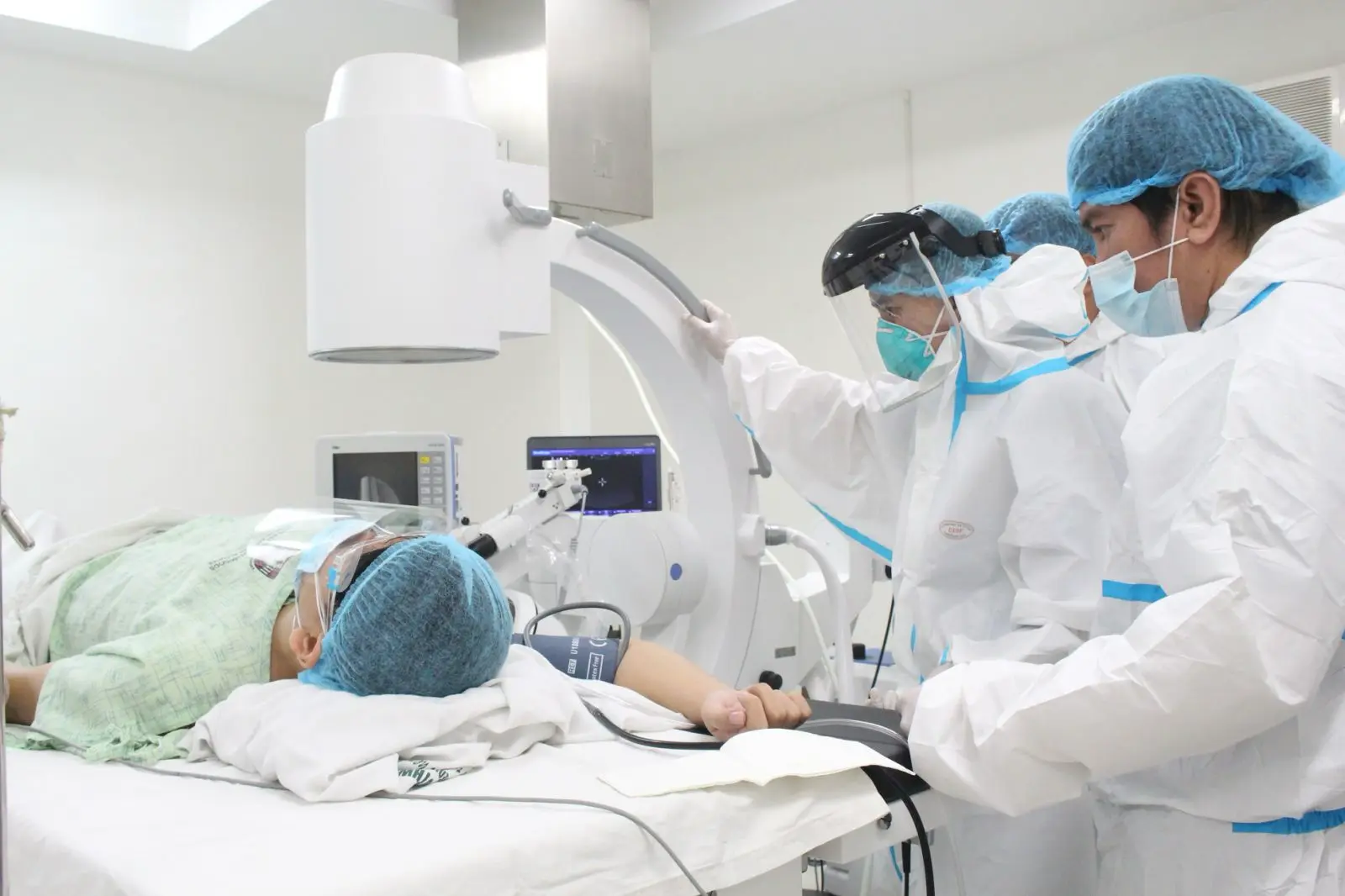
Kidney stones are one of the most common kidney diseases in the Philippines, along with Chronic Kidney Disease and End-Stage Renal Disease. Most of the time, people only get diagnosed with kidney stones once they experience pain in the abdomen and land in the hospital emergency room. Kidney stones cause severe pain that leads to lost workdays and increased anxiety, especially when confronted with expensive surgical fees and long recovery periods.
At Unihealth Southwoods Hospital and Medical Center, we offer Extracorporeal Shock Wave Lithotripsy (ESWL). It is a revolutionary, non-invasive procedure that has transformed kidney stone treatment. ESWL is a safe, effective, and patient-friendly treatment we are bringing into our community, making us a leading choice for kidney stone removal without surgery.
A Gentle Solution to a Common Problem
What are kidney stones?
As the kidneys filter your blood, they remove the excess minerals, salts, and other waste products from it through your urine (pee/ihi). What causes kidney stones to form is when there are too many minerals and salts but not enough water. These materials stick together and form the “stones” in one or both your kidneys.
Kidney stones most commonly affect men between 30 to 60 years old especially those who:
- has had kidney stones before or has a family history
- have existing conditions like diabetes and gout
- are overweight or obese
- have a high protein, salt, or sugar diet
- have a low water or fluid intake
- are taking medicine or supplements that may cause kidney stones
What are the symptoms of kidney stones?
If your kidney stones are small, you may not experience any symptoms as they can pass through with your urine. However, if they are bigger, they will need to be treated in another way, such as by ESWL. Here are the first signs that you may have kidney stones:
- Sudden or severe pain in the side or back
- Stomachache that doesn’t seem to go away
- Pain or burning sensation when you pee
- More frequent feeling of wanting to pee
- Blood in your urine
- Smelly or cloudy urine (normal urine is clear and has no strong smell)
- Nausea and vomiting
- Fever or chills
Sometimes, kidney stone symptoms in women may feel different than with men. For women, the pain often goes to the lower abdomen and pelvis, often mistaken for menstrual cramps, an ovarian cyst, or Urinary Tract Infection (UTI). For men, the pain usually goes to the groin, testicles, or the tip of the penis.
Regardless of gender, if you have pain that is really bad coupled with a fever and chills, this means you may have a dangerous infection, and you should go to the emergency room immediately.
Complications of Kidney Stones
If kidney stones are not treated immediately or are ignored, it can lead to:
- Urinary Tract Infections (UTIs)
- Prolonged pain
- Permanent kidney damage
- Kidney failure
- Sepsis
Why is ESWL perfect for kidney stone treatment?
Extracorporeal Shock Wave Lithotripsy (ESWL) is a groundbreaking procedure that offers an advanced and accessible solution, addressing the need for an affordable kidney stone removal procedure in the Philippines. It’s quick and painless with a short recovery time, and is more affordable than traditional surgery.
Investing in this technology aligns with our commitment at USHMC as a trusted hospital in Southwoods, Biñan, Laguna, to provide up-to-date, non-invasive treatments that prioritize our patients’ comfort and quick return to better health.
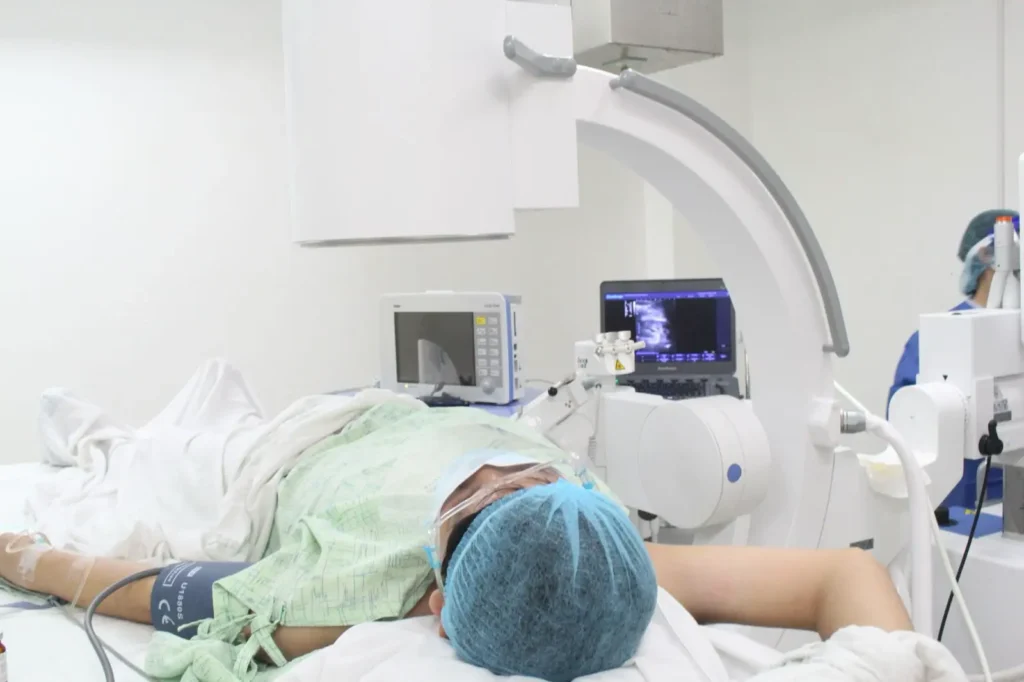
ESWL in a Nutshell
Extracorporeal Shock Wave Lithotripsy (ESWL) literally means “outside the body shock wave stone breaking”. It is a non-invasive, non-surgical procedure used to remove kidney stones by using shock waves, specifically sound waves, made by a machine called lithotripter to break the kidney stones into smaller pieces that can pass through urine without making any cuts or incisions.
How is the ESWL experience like at Unihealth Southwoods?
Before Your ESWL Procedure
Knowing what to expect can greatly ease any anxiety you may have before your kidney stone treatment. Before you receive your ESWL Procedure, here are some things you may be required to do:
- Urologist Consultation – You will get a thorough evaluation from one of our expert Urologists. They will assess your medical history and any medications you may be taking and confirm that ESWL is the best treatment option for your type of stone.
- Laboratory Testing – You will be asked to get a blood or urine test to determine your current kidney function and to check if you have a Urinary Tract Infection (UTI).
- Restrictions – You will need to avoid eating and drinking for around 6 hours before your procedure to safely and effectively treat kidney stones.
Preventing Kidney Stones as Our Commitment to Your Long-Term Health
While ESWL is an effective treatment, as your partner in leading you to better health, we want to make sure that you are in good health in the long term. Here are some ways we can help you prevent the recurrence of your kidney stones:
- Dietary Guidance – Our medical team provides advice on dietary changes to make that fits the type of stone you’ve had. For example, reducing your intake of food that is high in sodium or causes an increase in your uric acid and calcium levels.
Here is a list of foods good for your kidneys that are locally available in the Philippines:
- Vegetables:
- Moringa (Malunggay)
- Pechay/Bok Choy
- Radish (Labanos)
- Cabbage (Repolyo)
- Water Spinach (Kangkong)
- Eggplant (Talong)
- Jicama (Singkamas)
- Fruits:
- Pineapple (Pinya)
- Apple (Mansanas)
- Grapes (Ubas)
- Watermelon (Pakwan)
- Protein Sources:
- Fresh Fish (e.g., tilapia, bangus, lapu-lapu)
- Chicken Breast (skinless)
- Egg Whites
- Grains and Fats:
- White Rice
- White Bread/Pandesal
- Olive Oil
- Foods to Avoid:
- High sodium sauces (e.g., Soy Sauce (toyo), Fish Sauce (patis))
- Canned meats (e.g., SPAM, Corned Beef)
- Dried salted fish (e.g., daing, tuyo)
- Instant noodles
- Dark colas
- Hydration Strategies – Our team gives a recommendation for your water intake per day. Drinking water is the most effective way to prevent kidney stones in the future.
- Lifestyle Changes – Our team will recommend healthy lifestyle habits such as increasing your physical activity, maintaining a healthy weight, or reducing stress.
By combining cutting-edge, non-invasive treatments like ESWL with proactive actions to prevent having kidney stones again, USHMC truly offers a holistic approach to managing kidney stone disease and achieving better health.
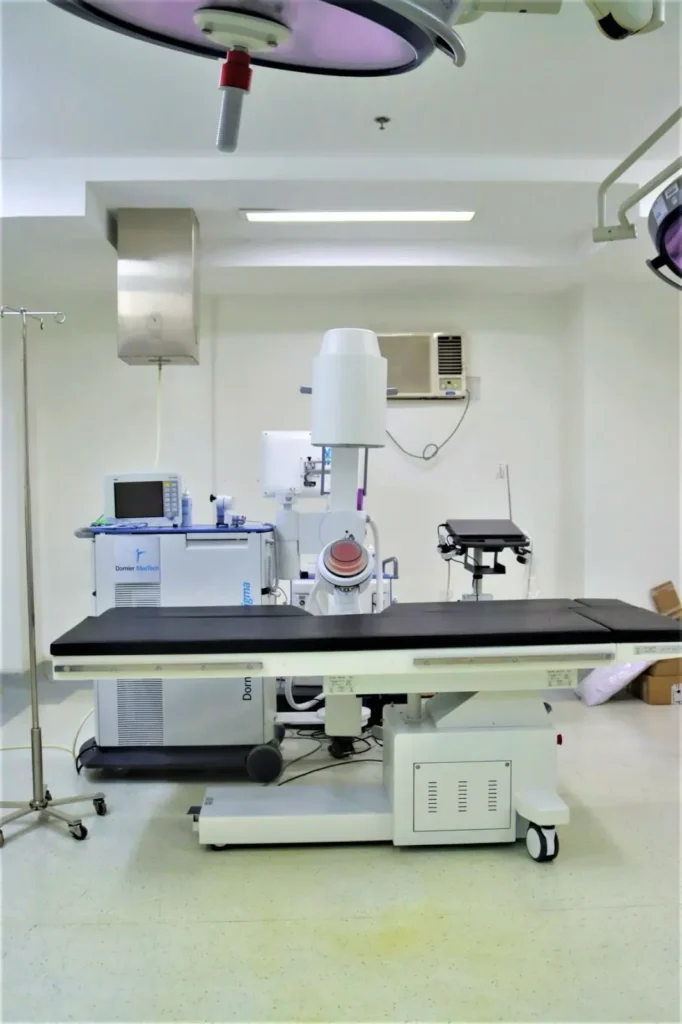
Why Choose ESWL at Unihealth Southwoods?
- Non-Invasive Treatment – There is absolutely no cutting, no stitches, or surgical entry into your body. This gets rid of the potential risks associated with surgery such as infection, bleeding, and scarring, providing peace of mind and comfort for those looking to have kidney stone treatment.
- Quicker Recovery Time – ESWL is usually done on an outpatient basis. You just come in, have the procedure done, and then you can go home right after the observation period. Since there is also no surgical wound to heal, you can return to your normal activities almost immediately.
- Safe & Effective – ESWL is a time-tested, safe, and effective treatment method to treat most kidney stones. For stones of the right size and location, ESWL has a high success rate in breaking down stones effectively, providing a reliable treatment for kidney stones. ESWL’s non-invasive quality reduces the risk of complications often linked to more aggressive treatments like surgery.
- Affordable & Accessible Care – ESWL stands out as a more affordable treatment option compared to traditional surgery. No general anesthesia, no long hospital stays, and no extensive post-operation care needed, meaning it greatly lowers the overall cost of kidney stone treatment.
At USHMC, we actively assist our patients in handling their PhilHealth and HMO benefits such as securing Letters of Authorization (LOAs) by working closely with PhilHealth representatives and our HMO providers. This ensures that this advanced treatment is accessible and will not break the bank for our community.
- Expert Urologists – Our team is made up of experienced Urologists who are highly trained in performing ESWL procedures, ensuring precise and effective kidney stone treatment while providing exceptional patient-centered and compassionate care.
- Advanced Lithotripter Technology – We invest in modern ESWL equipment to ensure that we only deliver optimal results while prioritizing our patients’ comfort and safety.
Breaking Free From Kidney Stone Pain
Don’t just endure your pain. Fight it with Extracorporeal Shock Wave Lithotripsy at Unihealth Southwoods Hospital and Medical Center. It’s a non-invasive, safe, and affordable solution to break your kidney stones down and put you back on the path to better health. Experience the difference of advanced, patient-centered kidney stone treatment that gets you back to living your life, faster.
Ready to explore your kidney stone treatment options?
Frequently Asked Questions (FAQs)
How long does it take for kidney stones to pass after ESWL?
- The stones may start passing immediately, but it can take anywhere from a few days to several weeks for all the pieces to pass. This is why you’ll need a follow-up check up with your Urologist to make sure all the pieces have passed.
What are some common side effects of ESWL?
- You may have blood in your urine for a few days which is normal as the kidney stone pieces pass. You may also get minor bruising on the back or side where the shock wave was directed.
Does ESWL work for all types and sizes of kidney stones?
- No. It works best on kidney stones that are around 2 cm and below. Stones in the lower part of the kidney may also be harder to clear and very hard stones may need multiple sessions or a different procedure.
Is ESWL covered by PhilHealth or my HMO in the Philippines?
- Usually, yes. ESWL is covered under the PhilHealth Case Rate system but for HMOs, it depends on your plan, and you will need to secure a Letter of Authorization (LOA).
To view our PhilHealth Insurance Guide, you may visit this page.
To view our HMO Insurance Guide, you may visit this page.
Looking for Hemodialysis Treatment instead?
Experiencing other kidney problems? Need a consult or referral?
Using PhilHealth or HMO for your ESWL?