


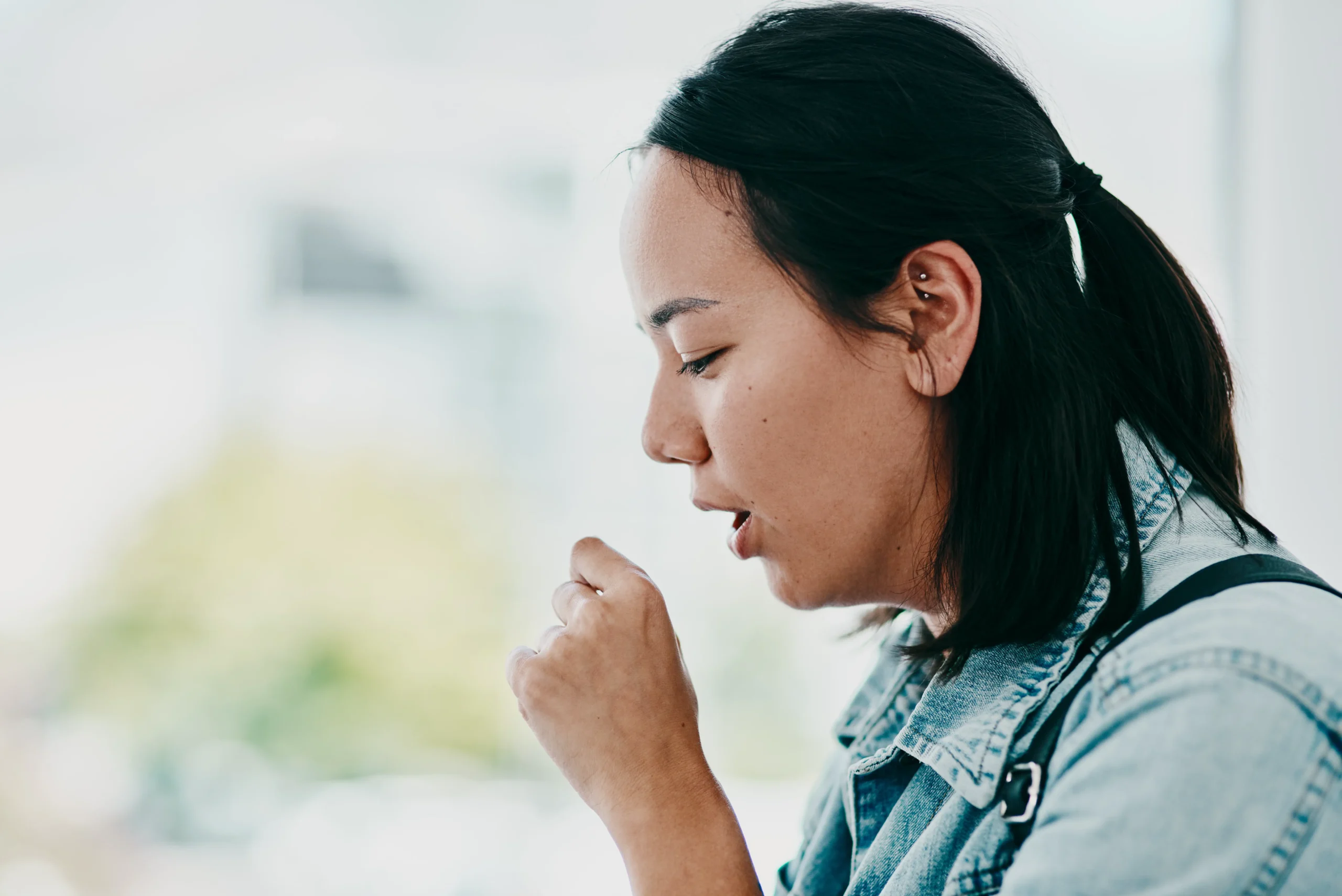
If you’ve been dealing with a cough that just won’t heal, a fever that keeps coming back, or chest tightness that makes it feel like every breath takes so much effort, your body might be trying to tell you something important. Could it be Pneumonia?
It’s a question that a lot of Filipinos ask, and rightfully so. Pneumonia is one of the top causes of hospitalization in the Philippines, and while it may sound scary, the great news is that when it’s caught early and treated properly, most people can recover fully. The key is knowing what to look for, when to see a doctor, and what kind of medical care is available for you, living in Biñan, Laguna or the surrounding areas.
What is Pneumonia?
Pneumonia is an infection that irritates the tiny air sacs in your lungs, called alveoli. When they become infected, they fill up with fluid or pus, which makes it difficult for oxygen to pass and do its job. This results in the familiar combination of cough, fever, and difficulty breathing that brings so many patients to the hospital.
Pneumonia doesn’t discriminate. It can affect healthy adults in their 30s just as easily as an elderly lolo or a young child. What determines how serious it gets and how it should be treated depends on what caused it, how your immune system responds, and how fast you get medical help.
What causes Pneumonia?
Bacterial Pneumonia
caused by the bacteria Streptococcus pneumoniae. It is among the most common types of pneumonia and responds well to antibiotics when treated right away. It’s also highly important that the antibiotic prescription is followed. If not, there could be risk of bacterial resistance which will make pneumonia harder to treat.
Viral Pneumonia
this includes Influenza and COVID-related pneumonia. It requires antiviral medications, oxygen support, and in serious cases, hospital monitoring in an ICU or hospital isolation room.
Fungal Pneumonia
a less common type of pneumonia and is typically found in people with weakened immune systems. It requires long-term antifungal medications and treatments which can last several weeks or months due to the resiliency of fungal spores.
Aspiration Pneumonia
this happens when food, liquid, or vomit accidentally enters the lungs. Older adults and those with swallowing difficulties have a higher risk for this type of pneumonia. This is treated using antibiotics and is supported by supplemental oxygen or mechanical ventilation if the patient is struggling to breathe and suctioning to clear the airways.
Community-Acquired vs. Hospital-Acquired Pneumonia
Community-acquired pneumonia (CAP) is the type of pneumonia that you can contract in everyday life, outside of a hospital. Hospital-acquired pneumonia develops during or after being admitted to a hospital and is generally harder to treat, as the bacteria that causes it tend to be more resistant to standard antibiotics and needs treatment that is stronger and monitored more closely.
What are the risk factors of getting Pneumonia?
While anyone can develop pneumonia, these are the groups that are more at risk of getting pneumonia:
- Adults 65 years old and above
- Children 5 years old and below
- Smokers
- Pregnant women
- People with diabetes, heart disease, or chronic lung problems
- Immunocompromised individuals such as those undergoing chemotherapy or on long-term steroids
However, even adults who are in their 20s, 30s, or 40s who are healthy can still develop pneumonia, particularly during flu season or viral outbreaks.
Recognizing Early-Stage Pneumonia Symptoms
Early stage pneumonia symptoms are easy to mistake for a bad cold or normal flu, which is exactly why people don’t go to the doctor right away. Here are some early signs of pneumonia you should keep an eye on:
- Fever with chills (lagnat na may panginginig)
- Persistent cough with or without phlegm (ubo na hindi nawawala, may plema man o wala)
- Shortness of breath (hirap sa paghinga)
- Chest pain when breathing deeply (pananakit ng dibdib kapag himihinga ng malalim)
- Fatigue (panghihina/pagkapagod)
- Headache (pananakit ng ulo)
- Nausea and vomiting (pagduduwal at pagsusuka)
If symptoms are quickly getting worse, especially if you’re have difficulty breathing, DO NOT WAIT IT OUT. Pneumonia can escalate faster than most people expect. It is best to consult a doctor at a hospital near you like Unihealth Southwoods Hospital in Southwoods, Biñan, Laguna.
What is Walking Pneumonia?
Walking pneumonia is a milder type of pneumonia, usually caused by Mycoplasma pneumoniae, and gets its name because many people who have it can still walk around, move as normal, and not feel sick enough to stay in bed. These are the symptoms of walking pneumonia that you should keep in mind:
- Dry, persistent cough that lasts for weeks (ubo na walang plema na tumatagal)
- Low-grade fever (lagnat na hindi masyadong mataas)
- Unusual Fatigue (hindi pangkaraniwang pagkapagod)
- Sore throat (Pamamaga ng lalamunan)
Usually, pneumonia symptoms in the Philippines often get mistaken for an upper respiratory infection. People delay seeing a doctor, the infection stays unsuspected, and complications slowly develop. Even if your symptoms don’t seem too bad, it’s still better to have a doctor examine you, especially if your cough has lasted for more than a week or two.
Diagnostic Tests for Pneumonia
Doctors can diagnose pneumonia through a combination of physical examination, laboratory tests, and imaging.
Laboratory Tests for Pneumonia
- Complete Blood Count (CBC) – this lab test helps detect infection and assess immune response.
- Blood Culture – this test checks whether bacteria have entered your bloodstream.
- Sputum Test for Pneumonia – it analyzes mucus to identify the specific type of bacteria, virus, or fungus involved to determine the direction of treatment.
- Procalcitonin and C-reactive Protein (CRP) – these are blood markers that help evaluate the severity of infection and inform hospitalization decisions.
Imaging Tests for Pneumonia
- Pneumonia Chest X-ray – usually the first test ordered, it indicated how healthy the lungs are. Dark and clear lung images mean they’re healthy, while white or hazy patches may indicate infected areas where fluid or pus has built up.
Chest CT-Scan – this imaging test is usually ordered if the diagnosis remains unclear or complications are suspected as a CT-Scan can provide a more detailed image, making it a valuable test for complex or severe cases.
Pulmonary Services Available at Unihealth Southwoods Hospital for Pneumonia Patients
Residents of Biñan, Laguna have access to high-quality, comprehensive respiratory care at Unihealth Southwoods Hospital, with pulmonologists in Laguna available to guide your pneumonia treatment at every stage.
Diagnostic Pulmonary Testing
Pulmonary Function Test (PFT) – this test measures lung capacity and airflow, tracking how much function has returned after recovery.
Arterial Blood Gas (ABG) – this analysis, checks oxygen and carbon dioxide levels in the blood which gives doctors real-time data on whether oxygen therapy is needed.
Advanced Respiratory Support
High-Flow Nasal Cannula (HFNC) – this is an oxygen therapy that delivers warm, humidified oxygen more comfortably and effectively than a standard mask.
BiPAP and CPAP – these offer non-invasive ventilation for patients needing more support for breathing.
Aerosol Therapy (Nebulization) – a nebulizer of pneumonia delivers medication directly into the lungs as a fine mist which lessens inflammation and loosening mucus.
Incentive Spirometer Monitoring – this treatment encourages deep breathing during recovery to help prevent lung collapse.
Mechanical Ventilation – in severe cases of pneumonia, mechanical ventilation takes over the breathing entirely while the lungs heal.
Respiratory Rehabilitation
Chest Physiotherapy – this therapy uses targeted positioning and percussive techniques to help loosen and clear mucus from deep in the lungs, helping patients breathe more fully and reducing the risk of re-infection during the recovery process.
When Does Pneumonia Require Hospitalization?
Mild cases can often be managed at home with oral antibiotics, rest, and fluids. However, certain warning signs mean it’s time to go to the hospital and see a doctor. Go to the emergency room immediately if you are experiencing:
- severe shortness of breath (malalang paghihirap sa paghinga)
- oxygen saturation (SpO2) below 92%
- confusion (pagkalito)
- bluish lips or fingertips (namumutlang labi o mga dulo ng daliri)
- a high fever that doesn’t respond to medication (lagnat na hindi tinatalaban ng gamot)
- A significant drop in blood pressure (biglaang pagbaba ng presyon ng dugo)
ICU Care for Severe Pneumonia
In the most serious cases, pneumonia ICU admission becomes necessary. The ICU provides continuing monitoring, IV antibiotics, fluid therapy, and the full range of respiratory support including mechanical ventilation when respiratory failure develops or when the infection escalates into sepsis.
Isolation and Infection Control
As for highly contagious or drug-resistant pneumonia cases, these require isolation to protect other patients and hospital staff. Isolation rooms use negative pressure and specialized ventilation systems to contain any pathogens or viruses. Depending on the infection type, droplet, airborne, or contact precautions are practiced.
How is Pneumonia Treated?
Pneumonia treatment depends on the kind of pneumonia, its cause, and the severity.
- For Mild Cases – Oral antibiotics, rest, and hydration at home.
- For Moderate to Severe Cases – IV antibiotics, hospital-based oxygen therapy, nebulization, and possibly ICU admission for close respiratory monitoring.
- For COVID Pneumonia Treatment – Antivirals, corticosteroids, anticoagulants, and oxygen therapy. The patient is also typically hospitalized when oxygen levels drop.
How long does Pneumonia last?
Mild pneumonia typically clears out within one to three weeks, moderate cases may last three to six weeks, and severe pneumonia that requires ICU care or mechanical ventilation may take several months for full recovery. Patients with severe pneumonia will also experience lingering fatigue and reduced lung capacity even after the infection has been resolved. This means that follow-up care and pulmonary rehabilitation are important parts of the recovery process.
Does Pneumonia have a vaccine?
Vaccination is one of the most effective ways to avoid getting pneumonia. The pneumonia vaccine in the Philippines is recommended for adults 65 years old and above, those with chronic conditions, and especially for immunocompromised individuals. PCV offers broader protection, while PPSV23 is usually effective up to five years. How long the pneumonia vaccine lasts varies by vaccine type and personal health condition. Please consult your doctor so they can advise you on the right schedule.
Pneumonia does not only affect the elderly or children. Healthy adults can have it too, especially during flu season or after a prolonged illness. If you’ve had a cough that will not go away for more than two weeks, do not ignore it and have it checked. Never self-medicate with antibiotics, as this can increase your risk of antibiotic resistance and it may not even work for the type of pneumonia you may have. When symptoms persist or keep coming back, a pulmonologist in Laguna can provide a more thorough assessment and treatment plan tailored to you.
Pneumonia is serious but highly treatable when caught early. Unihealth Southwoods Hospital and Medical Center in Biñan, Laguna has a full spectrum of respiratory services available, from diagnostic testing and nebulization to ICU-level medical support.
Don’t ignore the signs. When your lungs are asking for help, LISTEN.
Visit Unihealth Southwoods Hospital for complete Pulmonary Care and Pneumonia treatment.
Frequently Asked Questions (FAQs)
What’s the difference between pneumonia and an ordinary cough and cold?
A common cold or flu improves within a week, pneumonia tends to worsen over time. The fever is higher with a more persistent cough, and breathing gets noticeably harder.
Do you need to be hospitalized for pneumonia?
Not always. Mild cases can be treated at home. However, if oxygen levels drop, breathing becomes more difficult, or the patient is elderly, very young, or immunocompromised, hospitalization is strongly recommended.
Is pneumonia contagious?
The infection itself isn’t directly contagious, but the bacteria or viruses that cause it may spread via respiratory droplets. Viral pneumonia, including COVID-related pneumonia, carries a higher risk of spreading.
Can pneumonia be treated at home?
Yes, if it’s a mild case. You will be prescribed oral antibiotics, and recommended to rest and hydrate. However, it’s important to monitor oxygen levels and check or symptoms that may be getting worse.
Can you get pneumonia again once you’ve had it?
Unfortunately, yes. Having pneumonia once doesn’t make you immune. People who have had it before, especially those with underlying conditions, may be even more susceptible to getting it again.