


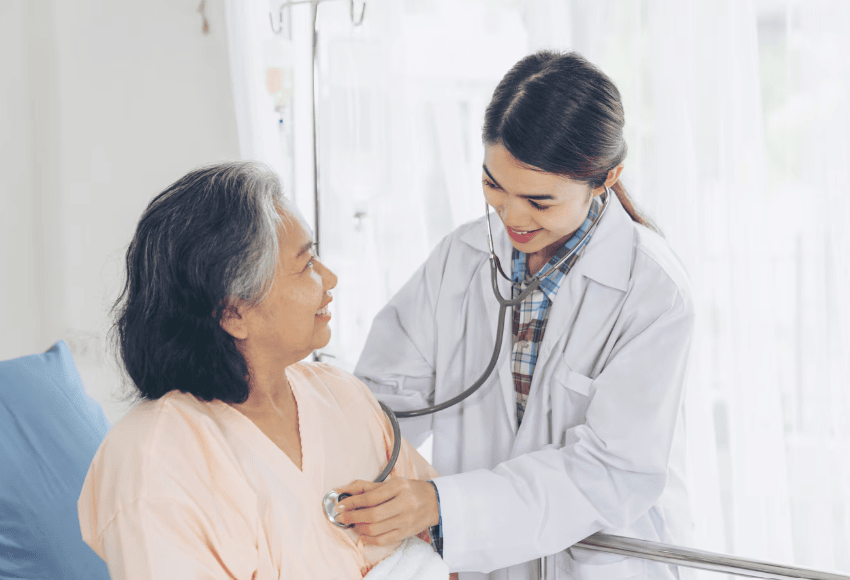
At Unihealth Southwoods Hospital’s Heart Station, we often see firsthand how high blood pressure, or hypertension, can quietly sneak up on people without any obvious symptoms.
But don’t be fooled.
It’s a silent threat that can lead to serious health problems like heart disease, stroke, and kidney failure if left unchecked.
That’s why understanding early blood pressure symptoms and acting fast is crucial.
That’s why understanding the early signs and acting fast is crucial. At Unihealth Southwoods Hospital, we’re committed to helping you detect, manage, and treat high blood pressure before it becomes a life-altering issue.
Let’s break down the top five reasons why you should never ignore high blood pressure symptoms and how expert care can make all the difference.
What Is High Blood Pressure?
High blood pressure (also called hypertension) is when the force of blood against your artery walls is consistently too high. If left unmanaged, it can silently cause severe health problems like stroke, kidney failure, or heart disease.
Filipinos with hypertension are growing in numbers in adults, with many unaware they have it until complications arise.
Why High Blood Pressure Is Called the “Silent Killer”?
One of the most dangerous things about high blood pressure is that it often presents no noticeable symptoms. That’s why it’s commonly referred to as the silent killer.
Although, hypertensive diseases are still one of the leading causes of death in the Philippines, according to the Philippine Statistics Authority. Many Filipinos only discover they have high blood pressure after experiencing a life-threatening event.
Reason 1: Increased Risk of Heart Disease
The Heart Works Harder
When your blood pressure is high, your heart has to pump with more force to move blood through your body. Over time, this causes your heart muscle to thicken.
How High Blood Pressure Damages the Heart
When arteries harden or narrow due to hypertension, blood flow is reduced, and eventually, the overworked heart can’t keep up, increasing your risk of:
- Coronary artery disease
- Heart attack
- Irregular heartbeat
- Heart failure
Pro Tip: Regular heart check-ups at USHMC can detect early signs of cardiac damage.
Reason 2: Stroke and Brain Damage
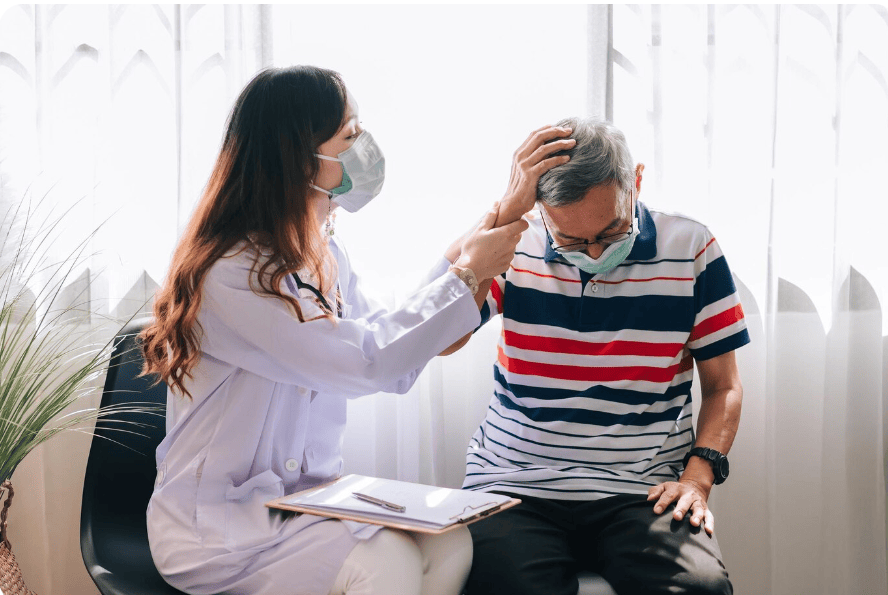
How Hypertension Affects the Brain
High blood pressure weakens or damages the blood vessels in your brain. If a vessel bursts or gets blocked, it can lead to a stroke.
Link Between Hypertension and Stroke
Elevated blood pressure can cause:
- Blood vessels in the brain to burst (hemorrhagic stroke)
- Blood clots that block brain flow (ischemic stroke)
Even temporary spikes in blood pressure can lead to transient ischemic attacks (TIAs) or mini-strokes.
Reason 3: Kidney Failure and Organ Damage
Understanding the BP-Kidney Connection
Your kidneys filter waste from your blood, and they rely on healthy blood vessels to do their job. High blood pressure can damage these vessels.
How Blood Pressure Affects the Kidneys
Common signs of kidney stress include:
- Swelling in ankles or feet
- Shortness of breath
- Changes frequency, appearance, and volume in urination
Without early treatment, chronic kidney disease (CKD) or complete renal failure can occur.
Reason 4: Vision Problems and Blindness
High BP Can Ruin Your Retina
The retina in your eye needs steady, gentle blood flow. Hypertension causes the blood vessels in your eyes to swell or bleed, a condition known as hypertensive retinopathy.
Hypertensive Retinopathy
This condition leads to:
- Blurry vision
- Eye pain
- Complete vision loss in severe cases
An eye check-up can reveal blood vessel damage long before symptoms appear.
Reason 5: Delayed Treatment Can Be Fatal
Many people dismiss fatigue or dizziness, not realizing these are red flags. Without timely intervention, high blood pressure can cause irreversible damage or even death.
Why Early Diagnosis Saves Lives
Timely hypertension treatment includes:
- Lifestyle changes
- Medication management
- Regular monitoring
Common Symptoms You Shouldn’t Ignore
While often asymptomatic, here are warning signs to watch out for:
- Persistent headaches
- Dizziness
- Chest pain
- Blurred vision
- Fatigue
- Nosebleeds
If you notice these blood pressure symptoms, get your BP checked immediately at a nearby clinic like Unihealth Southwoods Hospital. A simple BP reading takes less than 5 minutes, but it can add years to your life if done regularly.
First Aid for High Blood Pressure: What to Do While Waiting For Help
If you or someone around you is experiencing severe blood pressure symptoms, such as sudden intense headache, chest pain, difficulty breathing, or blurred vision, knowing basic first aid for high blood pressure can make a huge difference while waiting for medical assistance.
- Have the person sit or lie down in a calm, quiet environment and loosen any tight clothing.
- Encourage them to take slow, deep breaths to help reduce tension and lower heart rate.
- If the person is prescribed with blood pressure (antihypertensive) medication and is conscious, they may take their dose as directed by their doctor. DO NOT give medication that has not been prescribed to them.
- Avoid giving them any food, water, or caffeine.
- Monitor their condition closely and call for assistance or head to the nearest emergency room if symptoms worsen or do not improve within a few minutes.
First aid for high blood pressure is not a substitute for proper medical care. These steps are meant to stabilize the situation temporarily. Once they are stabilized, it is still best to seek professional hypertension treatment as soon as possible.
Diagnosing High Blood Pressure in the Philippines
Here’s how high blood pressure is diagnosed:
| Blood Pressure Level | Systolic | Diastolic |
| Normal | <120 | <80 |
| Elevated | 120–129 | <80 |
| High (Stage 1) | 130–139 | 80–89 |
| High (Stage 2) | ≥140 | ≥90 |
Visit your local health center or Unihealth Southwoods for accurate blood pressure checkup.
Who’s at Risk for High Blood Pressure?
Risk Factors You Can and Can’t Control
- Uncontrollable: Age, genetics, family history
- Controllable: Diet, activity level, smoking, alcohol, stress
Filipinos and Lifestyle-Related Risks
With more processed foods, sedentary jobs, and stress-heavy lives, many Filipinos have health problems and are walking around with undiagnosed high blood pressure.
How to Reduce High Blood Pressure and Prevent Hypertension

Lifestyle Changes That Help Reduce High Blood Pressure
- Eat more fruits and vegetables
- Reduce salt and fatty food intake
- Get regular exercise
- Stop smoking and limit alcohol
- Manage stress through rest and hobbies
Foods to Avoid With High Blood Pressure
What you eat can play a big part in managing hypertension. Here are some key foods to avoid with high blood pressure:
- Salty and Processed Foods – instant noodles, canned goods, chips, and fast food are all high in sodium, which directly affects and raises blood pressure.
- Fatty Meats and Fried Food – these contribute to arterial plaque buildup which narrows the blood vessels and makes the heart work harder.
- Sugary Drinks and Sweets – too much sugar contributes to weight gain and insulin resistance which are both linked to elevated blood pressure.
- Alcohol – regular heavy drinking raises blood pressure over time and can interfere with hypertension treatment medications.
- Caffeine – while moderate caffeine may be fine for some, high intake can cause temporary spikes in blood pressure, especially in those already at risk.
- Pickled and Fermented Foods – common in Filipino cuisine, these are usually high in sodium and should be consumed sparingly.
Avoiding these foods to avoid high blood pressure, combined with regular monitoring and medical guidance, is one of the most effective ways to reduce high blood pressure naturally.
Medication and Medical Support
Sometimes lifestyle changes aren’t enough. Don’t be afraid to rely on prescribed medication to keep your numbers stable. Your doctor may recommend antihypertensive medications such as ACE inhibitors like Enalapril, beta-blockers like Metoprolol, angiotensin receptor blockers (ARBs) like Losartan, diuretics like Hydrochlorothiazide (HCTZ), and calcium channel blockers like Amlodipine, depending on your condition. It is highly important to take your medication as prescribed and consistently and never stop without your doctor’s advice as this can cause dangerous rebound spikes in blood pressure.
Why Early Diagnosis is Key
The Power of Preventive Care
Catching high blood pressure early means avoiding strokes, kidney failure, and heart attacks. It also means less expensive hypertension treatment and a better quality of life. Learning how to reduce high blood pressure before it reaches a critical stage is always easier and safer than managing complications that have already happened.
Health Services at Unihealth Southwoods Hospital
USHMC is a hospital in Laguna that offers state-of-the-art diagnostics and hypertension treatment. From blood pressure monitoring to specialist consultations, you’re in good hands.
How Unihealth Southwoods Hospital Can Help
USHMC’s Heart Station
Unihealth Southwoods Hospital has a Heart Station in Laguna, where you’ll find expert Filipino cardiologists who understand Filipino health needs. They’re ready to help you catch hypertension before it causes damage.
Whether you’re dealing with borderline hypertension or more advanced cardiovascular risks, our Laguna-based Heart Station offers both non-invasive diagnostic tests and continuous monitoring services tailored to your specific needs.
Among the services available are:
- 12-Lead Electrocardiogram (ECG) – for assessing heart rhythm and detecting abnormalities.
- 2D Echocardiogram with Doppler – a detailed imaging tool that evaluates heart structures and function.
- Treadmill Stress Test (TST) – to examine how the heart responds under physical activity, ideal for uncovering hidden cardiovascular issues.
- Holter Monitoring – a 24-hour heart rhythm recording device to detect irregularities that may not appear during a short checkup.
- Ambulatory Blood Pressure Monitoring (ABPM) – for accurate tracking of blood pressure throughout the day and night.
- Cardiac Clearance Work-ups – essential for pre-operative evaluations or general cardiovascular health checks.
See more about what Unihealth Southwoods’ Heart Station offers here.
Comprehensive Hypertension Programs
Preventive checkups, diagnostics, hypertension treatment, medication management, and patient education, all under one hospital, Leading You to Better Health.
Additionally, Unihealth Southwoods Hospital is located in Biñan, Laguna, and offers other services such as:
- 24/7 emergency care
- Cardiology consultations
- Nephrology and kidney health services
- Comprehensive diagnostic testing
- Patient-centered wellness programs
Conclusion
High blood pressure might not show symptoms right away—but its effects can be devastating if left unchecked. From heart disease to kidney failure, ignoring early signs isn’t worth the risk.
The good news? You can take action today. Whether you need guidance on how to reduce your high blood pressure, want to know the foods to avoid when you have high blood pressure, or are looking for hypertension treatment, for residents in the Southwoods or Biñan area, your partner in health is Unihealth Southwoods Hospital. We are ready to help you live better, longer, and stronger. Book your consultation today or walk in for a BP check!
Frequently Asked Questions (FAQs)
1. What is considered dangerously high blood pressure?
A reading of 180/120 mmHg or higher is considered a hypertensive crisis and needs immediate medical attention.
2. Can high blood pressure cause headaches?
Yes. Frequent, pulsating headaches can be a symptom of dangerously high blood pressure.
3. How often should I check my blood pressure?
At least once a year if you’re healthy, and monthly or weekly if you’re at risk or diagnosed with hypertension.
4. What food should I avoid with hypertension?
Stay away from salty snacks, canned goods, fatty meats, and sugary drinks. Choose fresh, natural foods instead.
5. Is high blood pressure curable?
It’s not curable, but it’s absolutely manageable with lifestyle changes and medical treatment.
Reference:
Mapa, C. D. (2025, January 31). Registered Deaths in the Philippines, 2023 [Review of Registered Deaths in the Philippines, 2023]. Philippine Statistics Authority.